Talking about the energy transition has become almost unavoidable when discussing the future of the economy. The term appears in government planning, corporate strategies, investment decisions, debates over industrial competitiveness, and international climate negotiations. Yet behind this movement lies an even deeper objective: to consistently reduce greenhouse gas emissions associated with the production, distribution, and consumption of energy.
This is where decarbonization comes in.
The two concepts are closely related, but they do not mean exactly the same thing. The energy transition describes the transformation of a system historically based on fossil fuels into one that is more diversified, electrified, efficient, and supported by lower-emission energy sources. Decarbonization represents the intended outcome of this transformation: an economy capable of producing goods, moving people, generating electricity, providing industrial heat, and delivering services while progressively using less carbon.
Sustainability is broader still. It encompasses climate issues, but also includes social impacts, water use, biodiversity, land use, regional development, economic efficiency, the availability of natural resources, and governance.
This distinction matters because it helps explain why installing more solar panels or wind turbines, while essential, is not enough to decarbonize an entire economy.
Global data make this difference clear. According to the International Energy Agency’s Global Energy Review 2026, global carbon dioxide emissions associated with the energy sector increased by around 0.4% in 2025, reaching approximately 38.4 billion tonnes, a new all-time high. At the same time, the deployment of solar power, wind generation, nuclear energy, electric vehicles, and heat pumps since 2019 avoided approximately 3 billion tonnes of CO₂ emissions per year by 2025.
Both trends are occurring simultaneously. The world has never deployed so many low-emission technologies, yet energy demand continues to grow and fossil fuel consumption remains high.
This tension lies at the heart of one of the central challenges of modern decarbonization: adding clean energy to the system is not enough. Clean energy must structurally replace emissions.
Decarbonization does not simply mean producing more renewable energy
The expansion of renewable energy lies at the center of the energy transformation for a straightforward reason. The lower the emissions associated with electricity generation, the greater the opportunity to use that electricity to replace fossil fuels in other parts of the economy.
The International Energy Agency projects that global renewable power capacity could increase by approximately 4,600 GW between 2025 and 2030. Solar power is expected to account for nearly 80% of this expansion. Under the main scenario of the Renewables 2025 report, the share of renewables in global electricity generation rises from 32% in 2024 to around 43% in 2030.
This is a transformation on an enormous scale, but it represents only part of the process.
Electricity currently accounts for around 21% of global final energy consumption, according to the World Energy Outlook 2025. This means that a large share of the global economy still relies directly on fuels used in engines, furnaces, boilers, chemical processes, heavy transport, aviation, shipping, and other activities.
An economy can therefore rapidly expand its solar and wind capacity while continuing to record high emissions if transportation, industrial processes, and other forms of energy consumption remain heavily dependent on fossil fuels.
This is why decarbonization requires a combination of solutions.
It involves expanding renewable energy, but also electrifying activities that currently rely on fuels, improving energy efficiency, replacing fossil-based inputs with lower-emission alternatives, using sustainable biofuels, producing biogas and biomethane, developing low-emission hydrogen, reducing methane emissions and, in sectors where eliminating emissions entirely is technically more difficult, deploying carbon capture, utilization, and storage technologies.
IRENA’s World Energy Transitions Outlook itself emphasizes that electrification, while essential, is not a complete solution on its own. In certain applications, the direct use of bioenergy, solar thermal energy, geothermal energy, and other renewable energy carriers may be more appropriate.
In practice, decarbonization does not depend on a single winning technology. It depends on choosing the right combination of technologies for each economic activity.
Brazil starts from a different position
The Brazilian debate on decarbonization has its own particular characteristics because the country already has a much higher share of renewable energy than the global average.
According to the Brazilian Energy Balance 2026 published by the Energy Research Office, covering data for 2025, renewable sources accounted for 86.8% of Brazil’s electricity mix. When considering the country’s overall energy mix, which includes not only electricity but also fuels used in transportation, industry, and other activities, the share of renewables stood at approximately 49.4%.
The difference between these two indicators helps explain the challenge.
In electricity, Brazil already has a strongly renewable system, historically supported by hydropower and, more recently, by the rapid expansion of wind, solar, and bioelectricity.
In 2025, wind and solar photovoltaic generation together accounted for 26.4% of all electricity generated in the country. Solar generation, including both utility-scale generation and distributed micro and mini-generation, reached 88.1 TWh, an increase of 24.7% compared with the previous year. Wind generation reached 116.5 TWh, up 8.2%.
This profile significantly reduces the carbon intensity of Brazilian electricity. In 2025, according to EPE, the power sector emitted approximately 64.8 kilograms of CO₂ equivalent per MWh generated.
However, when the analysis moves beyond electricity to the broader energy system, the picture becomes more complex.
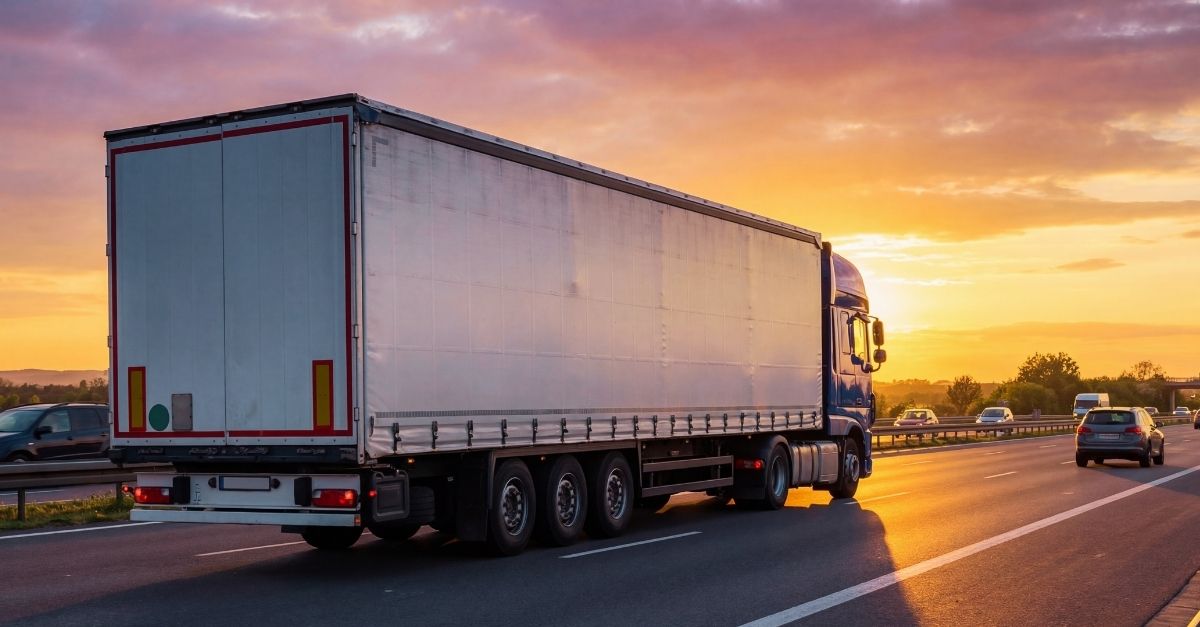
Anthropogenic emissions associated with Brazil’s energy mix reached 440.2 million tonnes of CO₂ equivalent in 2025, an increase of 2.5% compared with the previous year. The transportation sector alone accounted for 220.8 million tonnes, almost half of the total.
This figure highlights a central issue for the next stage of Brazil’s transition.
Brazil’s decarbonization challenge is no longer only about how electricity is generated. It is increasingly about how energy is used.
Transportation shows why the transition must extend beyond the power sector
Mobility is one of the clearest examples.
Brazil has a significant historical track record in biofuels. Ethanol and biodiesel have been part of the country’s energy system for decades, allowing renewable sources to account for a substantially larger share of transportation energy consumption than in many other countries.
According to BEN 2026, renewable sources accounted for 26.1% of transportation energy consumption in 2025. In the same year, biodiesel consumption increased by 8.2%, while ethanol consumption rose by 4.3%.
Even so, transportation remains the largest source of emissions within Brazil’s energy system.
This means that decarbonizing mobility will require several pathways to advance simultaneously.
Light-duty vehicles can progressively move toward electrification, particularly as charging infrastructure, driving range, and economic competitiveness improve. Urban buses and corporate fleets offer additional electrification opportunities because of their more predictable usage patterns.
For long-haul heavy-duty vehicles, aviation, and maritime transport, however, other alternatives may play important roles. Advanced biofuels, biomethane, synthetic fuels, and new propulsion technologies are likely to form part of this portfolio of solutions.
For Brazil, this diversity represents a potential advantage. The country combines several attributes rarely found together: renewable electricity, large-scale agricultural production, abundant biomass, extensive experience with biofuels, and significant volumes of organic waste from agriculture, agribusiness, sanitation systems, and urban waste.
The decarbonization of transportation in Brazil therefore does not necessarily need to follow the same pathway as economies where direct electrification is the primary alternative.
Biogas and biomethane connect clean energy, waste management, and the circular economy
Among the pathways gaining prominence in Brazil’s energy transition debate is the energy recovery of waste.
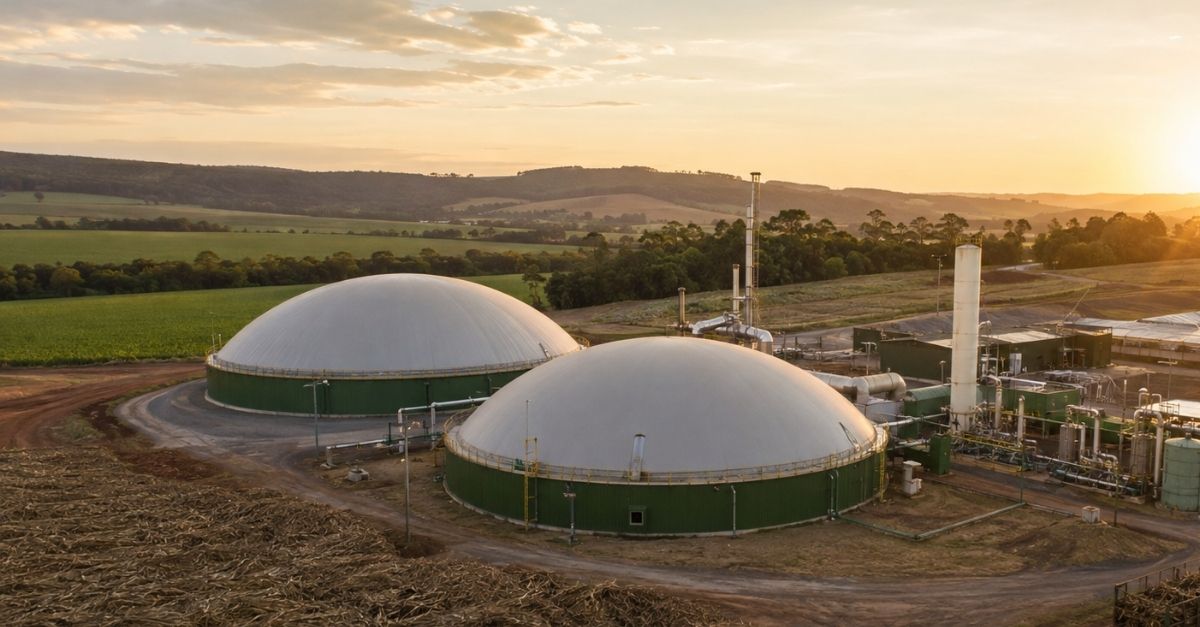
Biogas can be produced through the controlled decomposition of organic matter from agricultural waste, industrial effluents, landfills, municipal waste, and sewage treatment systems. After purification, this gas can be upgraded into biomethane, a fuel with characteristics that allow it to be used in applications currently served by natural gas.
The relevance of this pathway lies precisely in its ability to integrate different sustainability objectives.
While producing energy, the process can reduce methane emissions that would otherwise result from the uncontrolled decomposition of organic matter, contribute to waste treatment, and generate a renewable fuel capable of replacing part of fossil fuel consumption.
This combination helps explain why biomethane has begun to occupy a more strategic position in energy transition policies.
It can be used in heavy transportation, industrial processes, heat generation, and other applications where direct electrification is not always straightforward or economically competitive.
More than replacing fossil-based molecules with renewable ones, this pathway connects decarbonization with another fundamental principle of sustainability: the circular economy, in which waste is no longer treated solely as an environmental liability but becomes part of energy and material value chains.
Industry will be one of the most complex frontiers of decarbonization
Brazilian industry has an important characteristic. According to EPE, 65.1% of its energy mix was already renewable in 2025, supported by the use of electricity, sugarcane bagasse, black liquor, and other sources.
Even so, certain industrial processes remain difficult to decarbonize.
Steelmaking, cement, chemicals, mining, and other energy-intensive sectors often require very high temperatures, specific raw materials, or chemical reactions that generate emissions regardless of the fuel being used.
It is in this context that technologies such as low-emission hydrogen, sustainable biomass, biomethane, industrial electrification, and carbon capture are beginning to gain relevance.
In May 2026, EPE published a new edition of its study on Brazil’s potential for carbon capture, transportation, utilization, and storage. The document specifically highlights the potential use of these technologies in sectors where emissions reduction faces technical limitations, as well as the potential to generate negative emissions when carbon capture is combined with bioenergy.
The rationale is not to use carbon capture as a substitute for emissions reductions that can be achieved through efficiency or renewable energy. These technologies are intended to play a complementary role, particularly in industrial processes where some emissions cannot be eliminated solely by changing the energy source.
This distinction will become increasingly important in preventing superficial solutions.
Decarbonizing an industrial operation does not simply mean purchasing renewable electricity. It means examining the entire structure of energy consumption, thermal processes, raw materials, logistics, direct emissions, purchased electricity, and the supply chain.
In many cases, this transformation will require investments with time horizons spanning decades.
Electrification changes the role of the power system
As transportation, industry, buildings, and other sectors replace fuels with electricity, the power system takes on an even greater role in the economy.
The International Energy Agency estimates that global electricity demand could increase by around 40% by 2035 under some of its main scenarios. This growth is being driven by electrification, increasing cooling demand, new industrial activities, data centers, artificial intelligence, and digitalization.
This creates an important shift in perspective.
During the first phase of renewable energy expansion, much of the attention was focused on building generation capacity. Now, integrating that energy into the system is becoming equally strategic.
A power mix with growing shares of wind and solar requires transmission infrastructure, smarter distribution grids, energy storage, demand response, weather forecasting, digitalization, and mechanisms capable of providing operational flexibility.
Renewable electricity must reach consumers where and when it is needed.
This transformation is already visible in global data. According to the Global Energy Review 2026, approximately 800 GW of new renewable capacity were added worldwide in 2025. Over the same period, battery storage was the fastest-growing technology within the power system, with approximately 110 GW of new installations.
The trend shows that the energy transition is entering a phase in which generation and infrastructure must evolve together.
For a country such as Brazil, with its vast territory, unevenly distributed renewable resources, and rapid expansion of solar and wind generation, this challenge is particularly relevant.
Future decarbonization will depend not only on how many renewable megawatts are installed, but also on how much of that energy can actually be integrated, transmitted, stored, and used by the economy.
Energy efficiency remains one of the most powerful tools available
Not every emissions reduction depends on building new power plants or developing complex technologies.
A significant part of decarbonization is about using energy more effectively.
More efficient industrial equipment, higher-performance motors, buildings that require less heating and cooling, intelligent energy management systems, reduced losses, modernization of production processes, and digitalization can all reduce the amount of energy needed to produce the same economic output.
The logic is straightforward: the less energy required to produce a tonne of steel, transport a load, regulate the temperature of a building, or manufacture a product, the less infrastructure is required to support that activity and, in general, the lower the associated emissions.
The International Energy Agency considers energy efficiency and changes in the way energy is used to be fundamental components of pathways consistent with net-zero emissions.
This also helps explain why decarbonization and productivity can advance together.
Reducing energy waste often lowers operating costs, improves competitiveness, and reduces exposure to fluctuations in energy prices.
In other words, the cleanest unit of energy is not always simply the one generated from a renewable source. In some circumstances, it is also the energy that no longer needs to be consumed because a process has become more efficient.
Decarbonization is also becoming an economic and financial issue
For many years, climate policy was treated primarily as an environmental agenda. That separation is disappearing.
The carbon intensity of products and production chains is beginning to influence financing decisions, supply contracts, industrial planning, and access to certain markets.
The creation of carbon pricing systems reinforces this trend.
In Brazil, Law No. 15,042, enacted in December 2024, established the Brazilian Emissions Trading System. In 2026, the government was advancing the development of the system’s rules, measurement, reporting and verification mechanisms, and the registry required for its operation. The Ministry of Finance maintains a dedicated page on the implementation of the regulated carbon market.
The economic rationale behind these mechanisms is to make emissions a more explicit variable in business decisions.
When emitting carbon begins to carry a cost or a regulatory constraint, projects involving efficiency improvements, fuel substitution, electrification, and low-emission technologies can become relatively more competitive.
This does not eliminate the need for industrial policies, financing, research, infrastructure, and planning. But it creates an economic signal that can better align private-sector decisions with public emissions-reduction targets.
For companies, this transformation is likely to increase the importance of measurement.
Before emissions can be reduced, companies need to know where they occur.
Greenhouse gas inventories, input traceability, supply-chain analysis, and carbon-intensity indicators are therefore moving beyond their traditional role as sustainability reporting tools and becoming part of economic and operational management.
Brazil’s climate commitment broadens the scale of the challenge
Brazil’s new Nationally Determined Contribution establishes a target to reduce net greenhouse gas emissions by between 59% and 67% by 2035 compared with 2005 levels. In absolute terms, this means limiting national emissions to approximately 850 million to 1.05 billion tonnes of CO₂ equivalent. The country also maintains its goal of achieving net-zero emissions by 2050.
It is important to note that these targets apply to the entire economy, not only to the energy sector.
This characteristic is particularly relevant in Brazil because approximately 70% of the country’s greenhouse gas emissions are concentrated in agriculture and activities related to land use, land-use change, and forestry, while the energy sector accounted for approximately 20.5% of total inventoried emissions in 2022, according to data presented by EPE.
Brazilian climate neutrality therefore requires simultaneous progress in combating deforestation, transforming agriculture, restoring degraded land, protecting forests, and decarbonizing energy.
This also means that Brazil cannot simply replicate the policies adopted by countries where coal and gas-fired electricity generation account for the largest share of emissions.
Each economy needs to build its own pathway.
In Brazil, renewable electricity can become an advantage for decarbonizing other sectors while also supporting the development of new low-emission industrial value chains.
The energy transition can become a competitiveness strategy
The debate over decarbonization is no longer only about how much a company or country emits. It is increasingly about the origin and characteristics of the products that will remain competitive over the coming decades.
Steel produced with lower carbon intensity, renewable fuels, lower-emission fertilizers, minerals processed using clean electricity, low-emission hydrogen, and industrial products with environmental traceability may gain ground in markets that are beginning to impose more stringent standards.
In this context, the high share of renewable electricity in Brazil represents more than an environmental advantage. It could become an industrial advantage.
But this will not happen automatically.
Turning renewable resources into competitiveness requires combining energy availability with infrastructure, security of supply, predictable costs, technological capacity, financing, and industrial policy.
It will also be necessary to avoid the simplistic assumption that any activity powered by renewable energy automatically becomes sustainable.
Large energy projects have territorial impacts. Transmission lines cross extensive regions. Power plants require land and materials. Biofuel production depends on agricultural supply chains. Critical minerals must be extracted and processed. Equipment has its own life cycle.
For this reason, decarbonization and sustainability must advance together, but they should not be treated as the same thing.
A solution may reduce carbon emissions and still generate significant impacts on biodiversity, communities, or water resources if it is not properly planned.
Sustainability requires looking at the entire system.
Reducing carbon emissions without compromising energy security will be the major test
There is another fundamental condition for any transition process: energy must remain available.
Hospitals, industries, telecommunications systems, transportation, sanitation, households, and digital services all depend on a continuous supply of energy.
Decarbonization therefore cannot be considered separately from energy security.
This challenge becomes more complex as the system incorporates larger volumes of weather-dependent generation while society simultaneously becomes more reliant on electricity.
That is precisely why storage, transmission, flexibility, demand management, complementary generation, and digitalization are becoming central components of the transition.
The debate is no longer simply about which energy source should grow. It is increasingly about how different resources can work together.
In Brazil, this integration can combine hydropower, wind, solar, biomass, biogas, storage, and other technologies while taking regional characteristics and operational requirements into account.
A mature energy transition does not simply seek the lowest-emission energy source. It seeks to build a system capable of delivering clean, reliable, and economically sustainable energy.
Decarbonization is ultimately a transformation of the economic system
Global figures show that this transformation has already begun, but they also reveal the distance between technological progress and the trajectory required to address global warming.
The Intergovernmental Panel on Climate Change estimates that, in pathways capable of limiting warming to 1.5°C with no or limited temporary overshoot, global net greenhouse gas emissions would need to decline by around 43% by 2030 and approximately 60% by 2035 compared with 2019 levels.
At the same time, the global economy continues to demand more energy.
This is why decarbonization cannot be interpreted as a reduction in economic activity. The challenge is different: to progressively decouple growth, production, and development from rising emissions.
The latest data from the International Energy Agency show that this decoupling is already occurring to some extent. In 2025, the global economy grew faster than energy-related emissions, while clean technologies prevented billions of tonnes of CO₂ from being released compared with a scenario in which the technological structure had remained unchanged.
However, achieving the required scale will still demand profound transformations.
For Brazil, the challenge is particularly compelling. The country does not need to begin its energy transition by building a renewable electricity system from scratch. That foundation already exists.
The next step is to use this advantage to transform the economy.
This means expanding renewable electricity without compromising operational security, strengthening transmission and distribution networks, incorporating storage, improving efficiency, electrifying activities where appropriate, expanding sustainable biofuels, converting waste into energy, developing the biomethane market, creating new industrial value chains, advancing low-emission hydrogen, and developing solutions for sectors where emissions are more difficult to eliminate.
At the same time, it means measuring emissions more accurately, establishing transparent rules, directing capital toward lower-carbon technologies, and incorporating climate criteria into long-term planning.
This movement is already reflected in public policy. In 2026, Brazil’s Ministry of Mines and Energy opened the National Energy Transition Plan for public consultation, with a focus on transforming energy production and consumption over the coming decades. In the same year, the government approved the Ten-Year Energy Expansion Plan 2035, which guides investment and planning for the evolution of Brazil’s energy supply and demand.
The long-term planning framework considers a country in which renewable energy, energy security, economic development, and emissions reductions must advance simultaneously.
This may be the central point of the entire discussion.
Decarbonization is not a specific technology, an isolated project, or merely an environmental target. It is a progressive transformation of the infrastructure and production systems that underpin the economy.
The energy transition provides some of the tools needed to make this transformation possible. Sustainability broadens the perspective, helping ensure that carbon reductions are compatible with social development, environmental protection, and economic viability.
The ability to integrate these three elements will likely determine not only which countries succeed in reducing their emissions, but also which are best positioned in the economy being built around low-emission energy.
For Brazil, the opportunity is significant precisely because much of the energy infrastructure the rest of the world is trying to build is already part of its reality.
The challenge now is to turn this energy advantage into a lasting economic advantage.