Brazil is beginning to turn agro-industrial waste, biomass and its accumulated expertise in biofuels into an energy platform capable of reducing emissions, replacing fossil fuels and strengthening security of supply
The decarbonization of industry, freight transportation and aviation cannot depend on a single technology. In activities that require high energy density, long operating ranges, continuous operation and long-distance travel, electrification faces technical, economic or infrastructure limitations. In this context, biomethane, sustainable aviation fuel, known as SAF, ethanol, biodiesel and other renewable fuels are taking on a strategic role. Brazil has abundant biomass resources, a strong agro-industrial sector, extensive expertise, established energy infrastructure and a new regulatory framework capable of stimulating these markets. The challenge now is to turn this potential into a competitive supply, ensure environmental traceability, organize logistics and prevent expansion from taking place without consistent sustainability criteria.
Decarbonization must move beyond speeches and reach engines, furnaces and turbines
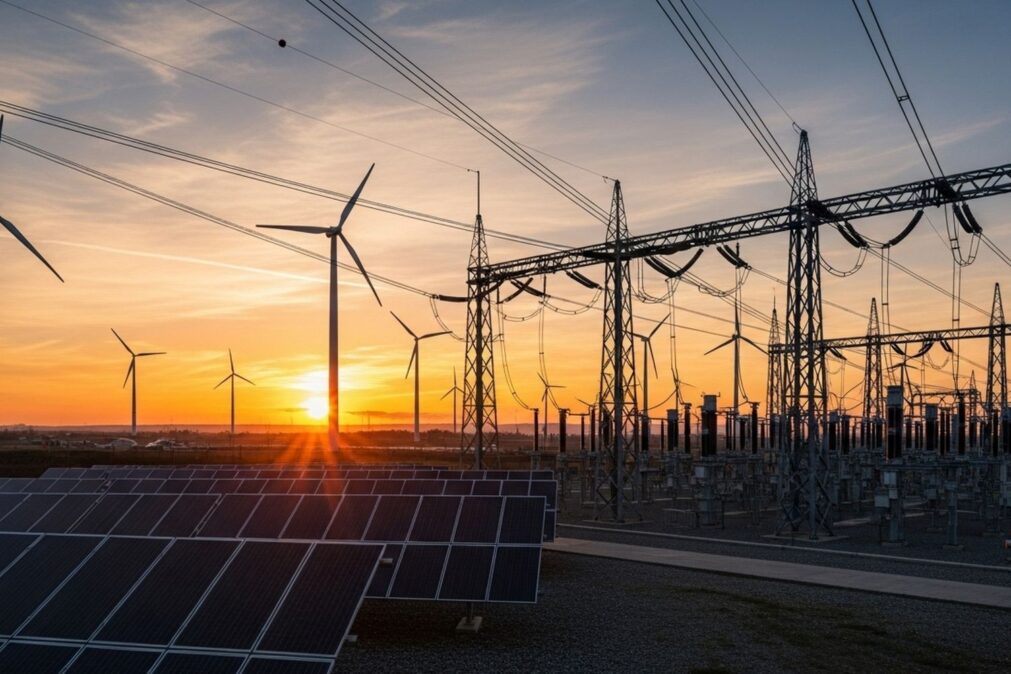
The energy transition is often represented by solar panels, wind turbines and electric vehicles. This image reflects an important part of the transformation underway, but it does not fully represent the energy realities of industry and logistics.
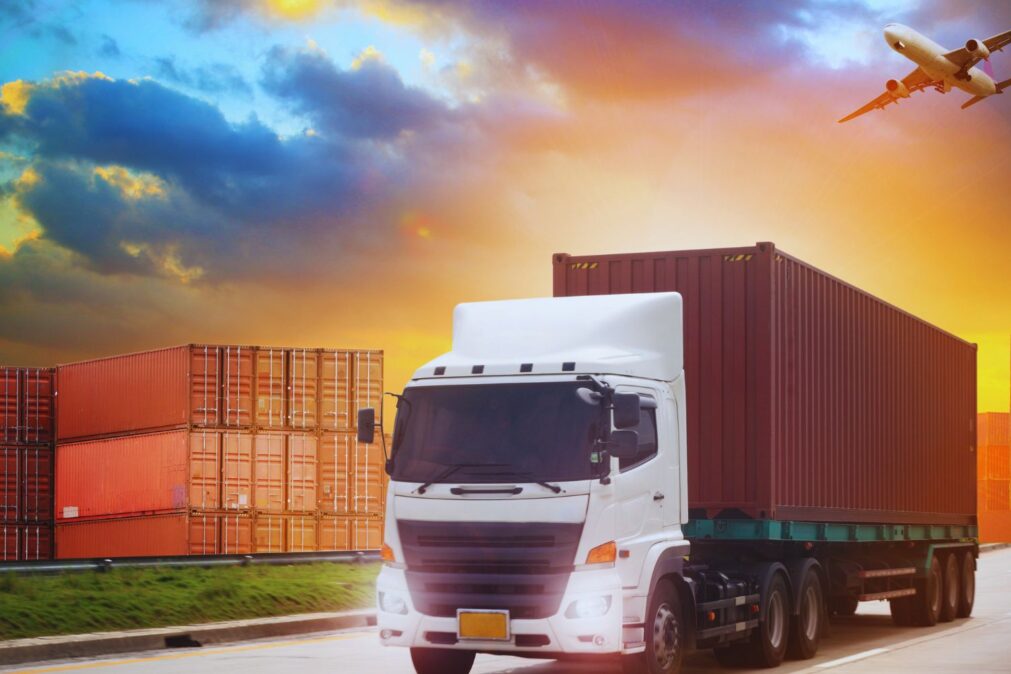
Trucks traveling thousands of kilometers, agricultural machinery, intercity buses, ships, aircraft, mining equipment and high-temperature industrial processes will not be decarbonized in the short term solely by directly replacing engines and fuels with electricity.
In many of these segments, battery weight, required operating range, charging times, the availability of electricity grids and the cost of conversion continue to restrict full electrification. This does not diminish the importance of renewable electricity. It simply means that the transition will require a combination of solutions.
In this context, biofuels are returning to the center of energy strategy, now with a broader role. They are no longer viewed merely as components blended into gasoline or diesel. Instead, they are becoming part of policies involving industrial decarbonization, energy security, the circular economy, reduced dependence on imports and regional development.
The latest data show that this contribution is already significant. According to the Brazilian Energy Balance 2026, prepared by the Energy Research Office, renewable sources accounted for 26.1% of energy consumption in Brazil’s transportation sector in 2025. During the same period, biodiesel consumption increased by 8.2%, while ethanol consumption rose by 4.3%.
Brazilian biodiesel production reached 9.8 million cubic meters in 2025, an increase of 8.5% from the previous year. Soybean oil remained the main feedstock, accounting for 65.9%, followed by other fats and oils. The figures confirm the scale already achieved, but they also highlight the need to diversify feedstocks and expand the use of waste and regionally available raw materials.
The new frontier lies precisely in the integration of established fuels, such as ethanol and biodiesel, with alternatives that are beginning to gain scale, including biomethane, SAF, green diesel and low-emission synthetic fuels.
A policy connecting different decarbonization pathways
Law No. 14,993 of October 8, 2024, known as the Fuel of the Future Law, created a national framework to stimulate different low-carbon solutions. The legislation established programs focused on biomethane, SAF and green diesel, while also expanding the legal limits for blending ethanol into gasoline and biodiesel into diesel.
The significance of this framework lies less in creating a single winning fuel and more in recognizing that different economic activities will require different solutions.
Light-duty urban transportation can advance rapidly through electrification. The flex-fuel vehicle fleet will continue using ethanol and gasoline with a higher renewable content. Heavy-duty road transportation can incorporate biodiesel, green diesel and biomethane. Aviation will depend on SAF and, at later stages, synthetic fuels. Industry may replace part of its fossil natural gas consumption with biomethane and use biomass for thermal applications.
This approach represents a change in perspective. Energy policy is moving away from the search for a uniform solution and beginning to consider environmental performance across the entire life cycle, the regional availability of feedstocks, costs, existing infrastructure and the characteristics of each activity.
Brazil’s Ministry of Mines and Energy estimates that the initiatives associated with the Fuel of the Future program could mobilize R$ 260 billion in investment by 2037 and help avoid or offset approximately 705 million metric tons of carbon dioxide during the period. These are government projections and will depend on the effective implementation of the programs, investor response and market development.

Biomethane turns waste into energy security
Among emerging fuels, biomethane has a distinctive characteristic: it combines decarbonization with waste management.
Its production begins with biogas, which is generated through the controlled decomposition of organic matter. This biogas can be obtained from landfills, wastewater treatment facilities, livestock operations, sugar and energy production facilities, food-processing plants and other activities that generate concentrated organic waste.
After undergoing purification processes known as upgrading, the biogas has its concentrations of carbon dioxide, hydrogen sulfide, moisture and other components reduced. The result is biomethane, a fuel with characteristics that allow it to be used in applications similar to those of natural gas, provided that it complies with the quality specifications established by Brazil’s National Agency of Petroleum, Natural Gas and Biofuels.
The climate benefit does not come solely from replacing a fossil fuel. Energy recovery can also prevent methane generated by waste decomposition from being released directly into the atmosphere. The final outcome, however, depends on collection efficiency, leakage control, the origin of the biomass and the performance of the entire facility.
For this reason, simply classifying the fuel as renewable is not enough. Environmental integrity requires measurement, certification and supply-chain controls.
The National Program for the Decarbonization of Natural Gas Producers and Importers and the Promotion of Biomethane was created to encourage the research, production, commercialization and use of biogas and biomethane. The Fuel of the Future Law established that natural gas producers and importers must comply with emission-reduction targets, which may be met through the acquisition of Biomethane Certificates of Guarantee of Origin, known by the Portuguese acronym CGOB.
The program was regulated by Decree No. 12,614 in September 2025, and the ANP began organizing the certification procedures, allocation of targets and operation of the new market. In April 2026, the agency accredited the first Origin Certification Agent authorized to certify producers for the issuance of CGOBs.
This instrument may allow the environmental attribute to be traded separately from the physical gas molecule. In practice, an industrial company without a direct connection to a biomethane plant may purchase certificates corresponding to renewable production, provided that the rules ensure traceability, prevent double counting and verify the claimed emission reductions.
The system could extend the market’s geographical reach, but it requires robust governance. Should the certificate lose credibility, biomethane could be treated as little more than an accounting offset. Should the system operate transparently, it could support long-term contracts, generate additional revenue for producers and provide economic signals for new investment.
One-third of gasoline and diesel consumption could be replaced under specific economic conditions
Brazil’s potential is significant, but it must be interpreted carefully.
A study published by the Energy Research Office in June 2025 used the SIEnergia Simulator to evaluate production from agricultural and livestock waste and its competitiveness as a vehicle fuel. The analysis indicated that approximately one-third of Brazil’s gasoline and diesel consumption could be economically replaced by biomethane produced from these waste streams.
This conclusion does not mean that one-third of Brazil’s vehicle fleet will immediately begin running on biomethane. The calculation represents an estimated economic potential under specific conditions involving production, location, transportation distances, scale and the prices of competing fuels.
The difference between potential and an effective market lies in logistics.
Agricultural and livestock waste is distributed across the country, while fuel consumption is concentrated along highway corridors, in urban centers, industrial areas and logistics hubs. In some regions, the solution may involve producing the fuel close to where it will be consumed. In others, biomethane will need to be compressed or liquefied, transported by tanker trucks or connected to natural gas distribution and transportation networks.
The Energy Research Office has also been studying the integration of biomethane produced by the sugar and energy industry into Brazil’s natural gas infrastructure. The possibility of using pipelines, local networks and existing facilities could reduce costs and connect producers located far from final consumers.
The development of this market will not depend solely on the construction of new plants. It will also depend on organizing a physical and commercial infrastructure that is still taking shape.
Heavy-duty transportation is one of the most promising applications
Road freight transportation is one of the most difficult segments to decarbonize. Vehicles must operate for long periods, carry heavy loads and maintain high availability. Any alternative must balance emission reductions, operating range, reliability, refueling and total cost of ownership.
Biomethane can be used in trucks equipped to operate with compressed or liquefied gas. Adoption is likely to be more competitive in predictable operations, such as waste collection, transportation between distribution centers, mining routes, agro-industrial logistics and fleets that regularly return to the same operating bases.
In these cases, a company can install its own refueling infrastructure or contract a supplier located close to its operations. This model reduces the initial dependence on a nationwide network of refueling stations.
There is also a circular logic when waste-collection trucks are fueled with biomethane produced from urban waste or when vehicles used in agribusiness consume biomethane generated from waste produced by the same activity.
The technology, however, does not eliminate every challenge. Vehicle costs, maintenance availability, the density of the refueling network, gas prices, engine efficiency and leakage controls must all be considered. Replacement should be evaluated according to the fuel’s full life cycle and actual operating conditions, not merely its renewable origin.
Industry gains an alternative to fossil natural gas
The relevance of biomethane extends beyond transportation.
Food, beverage, ceramics, glass, paper, pulp, fertilizer and chemical companies, among other industries, use natural gas to generate heat, steam or energy. Depending on its quality and supply conditions, biomethane can partially or fully replace fossil natural gas in existing applications.
This compatibility reduces the need to replace all industrial equipment. At certain facilities, the transition may take place by changing the fuel while preserving burners, boilers, thermal systems and part of the existing infrastructure.
This advantage is particularly important for companies that have established emission-reduction targets but cannot immediately electrify high-temperature processes.
There is also an energy-security dimension. Increased domestic biomethane production could reduce consumers’ exposure to fossil-fuel price volatility and natural gas infrastructure constraints. The effect will be greater in locations with local supply, predictable contracts and proximity between production and consumption.
This relationship between waste, energy and industry creates opportunities for regional integration. An agro-industrial hub could supply biomethane to factories, transportation companies and gas distributors located in the same area, creating an energy ecosystem that is less dependent on long supply chains.
SAF addresses aviation’s greatest challenge: reducing emissions without abandoning the turbine engine
Aviation presents a different challenge. Commercial aircraft require fuels with high energy density and must comply with strict performance and safety requirements. Batteries still do not provide a weight-to-energy ratio compatible with medium- and long-haul commercial flights.
For this reason, sustainable aviation fuel is considered one of the main alternatives currently available for reducing emissions in the aviation sector without immediately replacing aircraft and refueling systems.
SAF is not a specific feedstock. It is a fuel produced through certified technological pathways from raw materials that may include oils, waste fats, biomass, sugars, alcohols, waste and, in the future, low-emission hydrogen combined with captured carbon.
The fuel must comply with technical specifications and be compatible with aviation safety requirements. Depending on the approved production pathway, it may be blended with conventional jet fuel within authorized limits.
According to the Ministry of Mines and Energy, the environmental benefit must be assessed throughout the life cycle, considering the feedstock, processing, transportation, distribution and use. A biological origin alone does not guarantee consistent emission reductions.
The location of production, energy consumption during processing, land-use changes and logistical efficiency can significantly alter the fuel’s carbon intensity.
Brazilian demand begins in 2027
The Fuel of the Future Law established the National Sustainable Aviation Fuel Program, known by the Portuguese acronym ProBioQAV. The program establishes emission-reduction targets for domestic aviation beginning in 2027.
The report prepared by the technical group responsible for the regulation of SAF, published in 2026, states that the target will begin with a 1% reduction and gradually increase to 10% by 2037. The volume of SAF required could increase from approximately 40,000 cubic meters in the first year to around 1.75 million cubic meters in 2037, depending on the carbon intensity of the fuels used.
The target concerns emission reductions, not simply the volume of fuel blended. This distinction is crucial.
A fuel with a lower carbon intensity may contribute more toward meeting the obligation than another fuel produced through a less efficient pathway. The model therefore creates an incentive to improve production processes, select appropriate feedstocks and reduce emissions throughout the supply chain.
The regulatory framework involves shared responsibilities. The ANP will be responsible for eligible pathways, quality standards, blending agents, certification and fuel registration. Brazil’s National Civil Aviation Agency will calculate and oversee compliance with the targets. The National Energy Policy Council will monitor supply conditions, costs and market impacts.

Brazil can produce SAF, but it still needs to organize the market
Brazil has structural advantages that could enable it to become a major SAF producer.
The country has access to sugarcane, ethanol, vegetable oils, waste fats, agricultural residues and biomass. Brazil also has experience in biofuel production and distribution, an established aviation industry, research centers and a network of refineries and terminals that could be partially utilized.
The pathway known as Alcohol-to-Jet can use ethanol as a feedstock for the production of aviation fuel. The HEFA pathway uses oils and fats. Other technologies may convert lignocellulosic waste, synthesis gases or renewable electricity into liquid fuels.
Each pathway has different costs, feedstock availability, efficiency levels and environmental impacts.
The government report on SAF recommends making the fullest possible use of existing infrastructure to reduce additional investment requirements and preserve logistical competitiveness. It also identifies the need to establish rules governing commercialization, taxation, financing, traceability and access to the fuel at airports.
Production alone will not be sufficient unless the fuel can reach airports safely, with appropriate certification and at an economically viable cost.
A refinery or biorefinery may produce SAF in a region far from the country’s main airports. The fuel will need to be transported, stored, blended and documented. Depending on the model adopted, environmental attributes may be transferred through Book and Claim systems, under which the emission reduction is assigned to a particular operator even when the physical fuel is consumed elsewhere.
These mechanisms increase flexibility, but they must prevent double counting and ensure that the claimed reduction corresponds to fuel that was actually produced.
Ethanol and biodiesel remain the foundation of the transition
The attention given to biomethane and SAF does not diminish the importance of fuels that are already well established.
Since August 1, 2025, gasoline sold in Brazil has contained 30% anhydrous ethanol, while diesel has included a 15% biodiesel blend. These proportions were established by the National Energy Policy Council and are reflected in the Brazilian Energy Balance data.
These blends produce an immediate effect because they reach a large proportion of the existing vehicle fleet without requiring the complete replacement of vehicles.
Ethanol also provides an additional advantage for the flex-fuel vehicle fleet. Consumers can use hydrous ethanol directly, increasing the renewable share beyond the mandatory content blended into gasoline.
In the case of biodiesel, the gradual increase in the blend reduces mineral diesel consumption, but it requires strict controls involving quality, stability, storage and compatibility. It also increases demand for feedstocks, reinforcing the need for greater production diversity.
Expansion cannot remain indefinitely dependent on a single feedstock. Waste, animal fats, used cooking oils and new oilseed crops could help reduce concentration, stimulate regional supply chains and limit pressure on agricultural resources.
According to projections released by the Energy Research Office, Brazil’s ethanol supply could increase by approximately 30% by 2035, reaching 51 billion liters. The contribution of corn ethanol is also expected to increase, rising from approximately 20% of production in 2024 to more than 30% of the total supply in 2035.
This expansion shows that the sector is not merely adding volume. It is diversifying feedstocks, production regions and models for integrating food, energy, bioelectricity and waste utilization.
Decarbonization does not mean zero emissions
One of the greatest risks in the biofuels debate is oversimplification.
Biomethane, SAF, ethanol and biodiesel are not automatically carbon neutral. They all involve emissions associated with growing or collecting feedstocks, transportation, processing, energy consumption, distribution and final use.
Environmental performance varies according to the origin of the feedstock and the efficiency of the supply chain. A fuel produced from waste and renewable energy may deliver a very different result from one associated with land-use changes, long-distance transportation or intensive consumption of fossil fuels.
For this reason, policies based solely on volume can stimulate production without guaranteeing the best climate outcome.
The regulatory trend is moving away from a quantity-based approach and toward carbon-intensity criteria. RenovaBio already uses certification and life-cycle assessments to differentiate between producers. ProBioQAV will follow an approach based on actual emission reductions. The biomethane program will use certificates guaranteeing the fuel’s origin.
These instruments must operate in coordination with one another. The same environmental reduction cannot be claimed simultaneously by different programs, companies or countries.
The market’s credibility will depend on data quality, audits, methodological transparency and the ability to trace the origin of the fuels.
The challenge is not choosing between electrification and biofuels
The energy debate frequently turns complementary technologies into competitors. Electric vehicles are placed in opposition to ethanol. Hydrogen is presented as a replacement for biomethane. SAF is compared with electric aircraft as though every application were at the same stage of development.
This dispute generates more noise than strategy.
Direct electrification is likely to be the most efficient solution wherever it is technically feasible and economically rational. Biofuels can serve activities in which liquid or gaseous energy carriers will continue to be necessary. Hydrogen may be used in specific industrial processes and in the production of synthetic fuels. Energy efficiency will need to reduce the total amount of energy consumed.
The priority should be to combine technologies according to their actual ability to reduce emissions, considering cost, availability, security and implementation time.
In Brazil, this combination offers an additional advantage. The country’s electricity is predominantly renewable, and its biomass production is significant. This makes it possible to develop hybrid solutions, including biorefineries powered by renewable electricity, hydrogen production associated with biofuels and the integration of ethanol, biomethane, bioelectricity and fertilizers.
The next stage will be defined by infrastructure and contracts
Brazil has already demonstrated its ability to produce biofuels on a large scale. The challenge now is to build more sophisticated markets.
For biomethane, it will be necessary to organize waste collection, purification plants, gas networks, road transportation, refueling stations and contracts between producers and industrial consumers.
For SAF, Brazil will need to make biorefineries viable, certify production pathways, establish financing mechanisms, connect production facilities to airports and manage the effect of additional costs on airfares and aviation competitiveness.
For biodiesel and ethanol, the challenge includes increasing productivity, diversifying feedstocks, maintaining quality standards and ensuring that agricultural expansion is sustainable.
In every case, long-term contracts will be important for reducing uncertainty. A biomethane or SAF plant requires substantial investment and cannot depend solely on occasional sales. Buyers, in turn, need predictable prices, volumes, quality and environmental performance.
The government will be responsible for creating stable rules, overseeing the market and preventing unsubstantiated environmental claims. The private sector will need to develop competitive projects, enter into purchase commitments and integrate decarbonization into investment decisions.
An industrial opportunity, not merely an environmental one
Discussions about biofuels usually begin with emissions, but their economic effects may be equally important.
New biomethane and SAF supply chains require equipment, engineering, certification services, research, digital systems, transportation, storage, laboratories and specialized professionals. These markets could stimulate domestic suppliers and create industrial activity close to biomass-producing regions.
Brazil could also reduce fuel imports and its exposure to international shocks. The benefit, however, will depend on the final cost. A renewable fuel produced domestically does not automatically improve competitiveness if it remains structurally more expensive and requires permanent subsidies without efficiency gains.
Public policy should help emerging technologies move through their initial development stages, but it must establish criteria for performance, innovation and the gradual reduction of costs.
The greatest strategic value lies in using Brazil’s advantages to build an industry capable of competing in markets that will increasingly be shaped by carbon requirements.
Airlines, transportation companies, exporters and industrial businesses will face growing environmental requirements from customers, investors and international markets. Access to certified fuels may become not only a reputational tool, but also a requirement for competitiveness.
Brazil has the raw materials. It must now turn potential into a system
Biomethane, SAF, ethanol and biodiesel do not provide a license to preserve the current fuel-consumption model indefinitely. Nor do they replace the need for energy efficiency, electrification, public transportation, railways and urban planning.
Their purpose is to reduce emissions in applications where fuels will remain necessary and to create alternatives capable of utilizing resources available within the country.
Brazil has agro-industrial waste, agricultural production, expertise in fermentation, energy companies, fuel infrastructure and regulatory experience. Few countries have such a diverse foundation for developing different low-carbon pathways.
This advantage, however, does not guarantee leadership.
Brazil will need to prevent deforestation and inappropriate land-use changes, ensure traceability, control methane emissions, diversify feedstocks, create logistics infrastructure and maintain predictable regulations.
Brazil’s opportunity does not lie in declaring that every biofuel is sustainable. It lies in using verifiable data to demonstrate which fuels genuinely reduce emissions and in which applications they deliver the best results.
Industrial and logistics decarbonization will be built less through slogans and more through a rigorous combination of technology, scale, contracts, infrastructure and environmental credibility.
A country capable of organizing these elements will not only reduce its dependence on fossil fuels. It will also be able to transform waste, biomass and accumulated expertise into a new platform for industrial development.