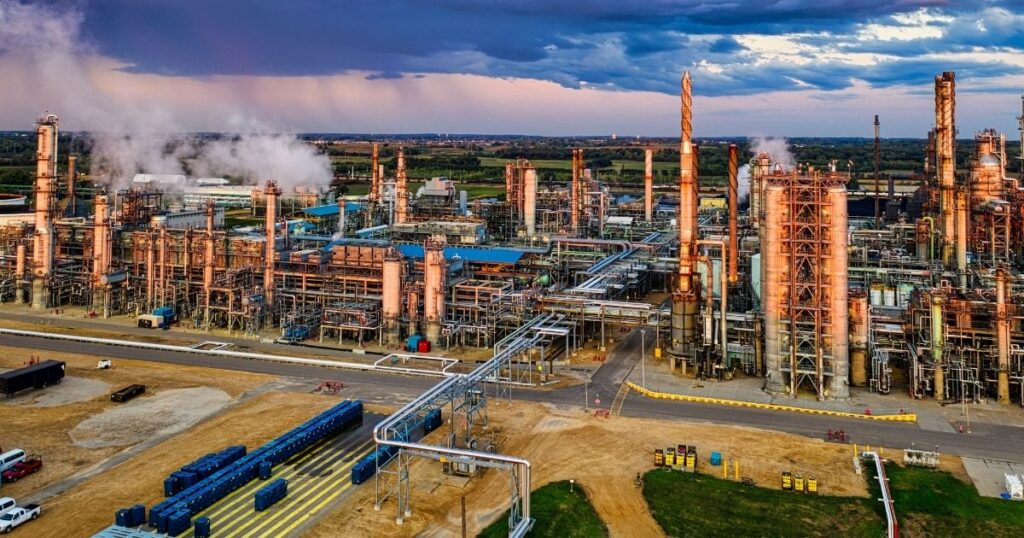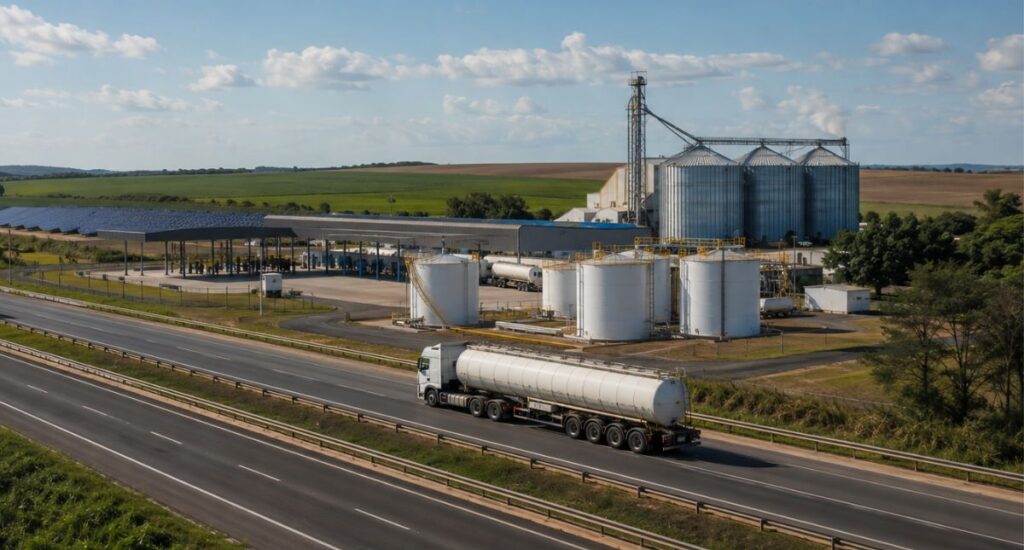
The April 2026 edition of the Outlook for the Brazilian Fuel Market in the Short Term, published by EPE, projects more than 3 billion additional liters of demand for liquid fuels and LPG in 2026 and again in 2027. This movement confirms the vitality of the Brazilian economy, but also highlights the complexity of the energy transition in a country where security of supply, social inclusion, competitiveness, and decarbonization need to advance in a coordinated manner.
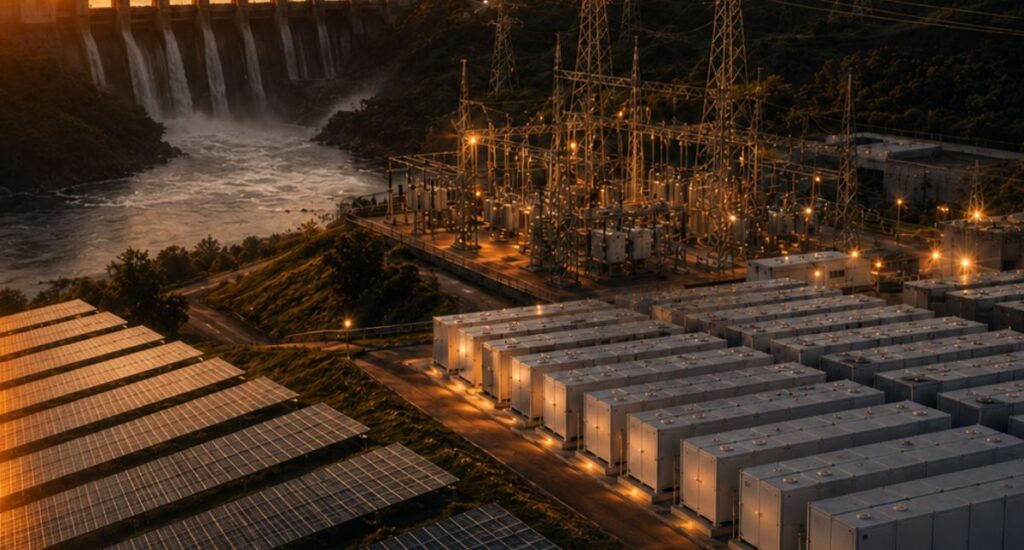
Brazil is going through a decisive moment in the regulation of Energy Storage Systems (SAE). The National Electric Energy Agency (ANEEL), through Public Consultation 39/2023 and the subsequent Joint Technical Note 13/2025, has been building the normative bases to integrate batteries, reversible plants and other storage systems into the National Interconnected System (SIN). The central point of the debate is the definition of how these enterprises should contract and remunerate the use of the electricity grid, a point that involves pricing, concessions, sectoral charges and regulatory equality. The approval of Law 15,269/2025 formalized the legal framework, but infralegal regulation still depends on ANEEL decisions that test the consistency of the Brazilian regulatory model in the face of technological innovation.
The Certificate of Guarantee of Origin for Biomethane has just been definitively regulated by the ANP. With Resolutions No. 995 and No. 996, published in March 2026, Brazil created a new financial instrument: an asset that proves the renewable origin of the gas, can be traded separately from the physical molecule and serves both to meet mandatory regulatory targets and voluntary corporate decarbonization strategies. For most investors, CGOB is still unknown. This article explains how it works, what differentiates it from RenovaBio's CBIOs, what the risks are and why 2026 could be the inflection point for anyone who wants to position themselves in this market before it matures.
The world must reduce CO2 emissions by 30 to 50% by 2030 while simultaneously increasing electricity generation by at least 40% by 2035. These two goals must move forward together, yet they are still progressing at opposite speeds. The paradox is not climate rhetoric. It is the central challenge documented by the study Back to 2050, from the Schneider Electric Sustainability Research Institute, and by the World Energy Outlook 2025 from the International Energy Agency (IEA). Understand what is at stake, how we got here, what the main agreements and laws determine, and why Brazil could play a leading role.
Brazil starts 2026 with 215.9 GW of installed electrical capacity, 84.63% of which comes from renewable sources. ANEEL projects expansion of 9.1 GW throughout the year. At the same time that Roraima finally connects to the National Interconnected System, the solar sector is going through its second consecutive year of slowdown, pressured by generation cuts, high interest rates and network bottlenecks.