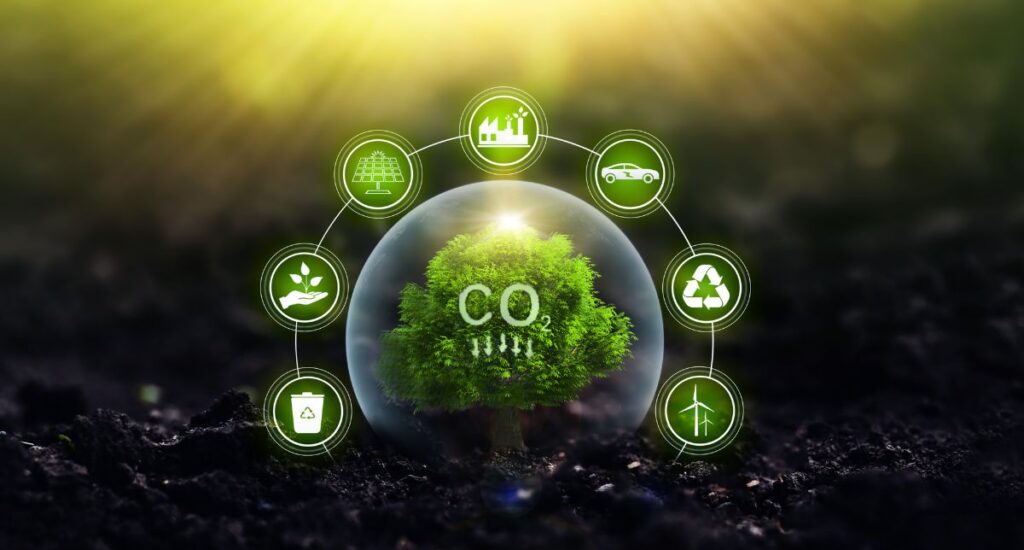
The world must reduce CO2 emissions by 30 to 50% by 2030 while simultaneously increasing electricity generation by at least 40% by 2035. These two goals must move forward together, yet they are still progressing at opposite speeds. The paradox is not climate rhetoric. It is the central challenge documented by the study Back to 2050, from the Schneider Electric Sustainability Research Institute, and by the World Energy Outlook 2025 from the International Energy Agency (IEA). Understand what is at stake, how we got here, what the main agreements and laws determine, and why Brazil could play a leading role.

