In early April, Brazil reached a point the energy sector had been awaiting for months. On April 1, 2026, the National Energy Policy Council (CNPE) approved the decarbonization target for natural gas producers and importers: a 0.5% reduction in emissions through the participation of biomethane in consumption.
The Certificate of Guarantee of Origin for Biomethane has just been definitively regulated by the ANP. With Resolutions No. 995 and No. 996, published in March 2026, Brazil created a new financial instrument: an asset that proves the renewable origin of the gas, can be traded separately from the physical molecule and serves both to meet mandatory regulatory targets and voluntary corporate decarbonization strategies. For most investors, CGOB is still unknown. This article explains how it works, what differentiates it from RenovaBio's CBIOs, what the risks are and why 2026 could be the inflection point for anyone who wants to position themselves in this market before it matures.
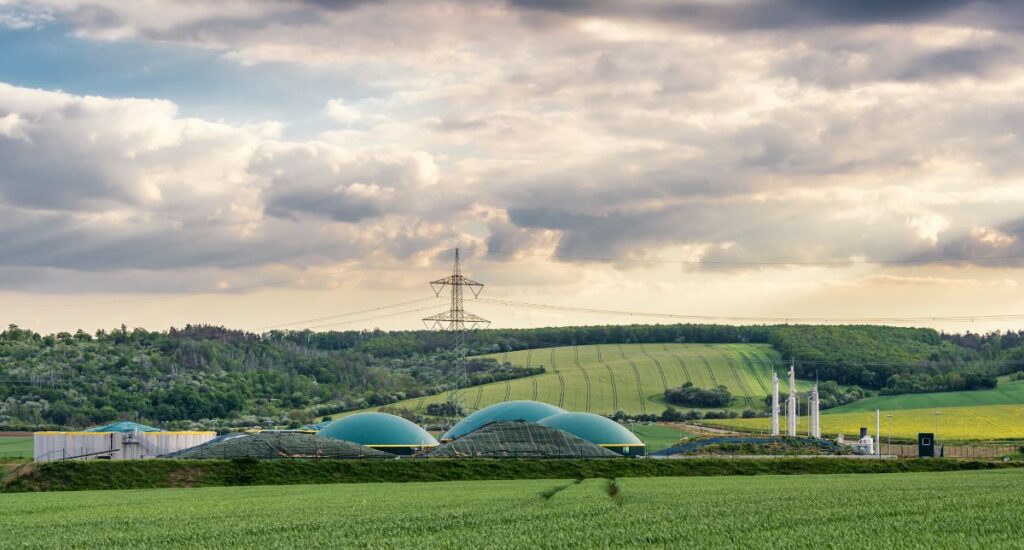
The start of the biomethane mandate in 2026 marks the entry of renewable gas into Brazilian climate policy in a structured way, with mandatory natural gas decarbonization targets and specific traceability instruments. The contribution is still modest in percentage terms, but the year inaugurates a regulated market that includes climate goals, waste use and energy security in the same agenda.
The IEA report highlights that global biogas and biomethane production volumes could rise by 22 percent by 2030 compared to 2025, reflecting a review of expectations and a more favorable scenario for investments in renewable energy. The analysis includes data that reveals variations in the speed of growth between regions, with emphasis on Europe, North America and developing markets in Asia and Latin America.
In December 2025, the Paris Agreement marked a decade as the cornerstone of global climate governance. Signed by 195 countries at COP21, the agreement established the commitment to limit the increase in average global temperature to well below 2 °C above pre-industrial levels, while pursuing efforts to cap warming at 1.5 °C. Ten years on, the question that arises is both direct and strategic: in practical terms, what are the impacts of these targets on the energy sector and on investment decisions?
As global leaders debate the direction of decarbonization, Brazil emerges as a key player in the energy revolution driven by the circular economy and biomethane. In the wake of COP30, held in Belém, the country intensifies its efforts to align sustainability, social inclusion and technological innovation. The November 2025 landscape establishes biomethane and eco-parks as […]
Brazil is experiencing one of the most decisive moments in its energy history. With an electricity mix already largely renewable—about 88% of generation coming from clean sources, according to data from the Energy Research Company (EPE)—the country now faces a new challenge: financing the sustainable expansion of its infrastructure, diversifying its energy matrix, and ensuring energy security amid the global transition to a low-carbon economy.