Archives of #Biogás

Descarbonização por que reduzir emissões exige transformar a forma como produzimos e consumimos energia
Decarbonization has become a central pillar of the global economic transformation. While the expansion of renewable sources is a fundamental part of this process, reducing emissions requires far broader changes in how energy is produced, transported, stored, and consumed. In Brazil, which already boasts one of the world's most renewable electricity mixes, the challenge is extending to sectors such as transportation, industry, and fuel production, alongside the growing importance of power grids, storage, energy efficiency, biomethane, biofuels, low-emission hydrogen, carbon markets, and new technologies. More than simply replacing fossil fuel sources, decarbonization entails reorganizing entire production systems to create an economy capable of growing with lower carbon intensity.
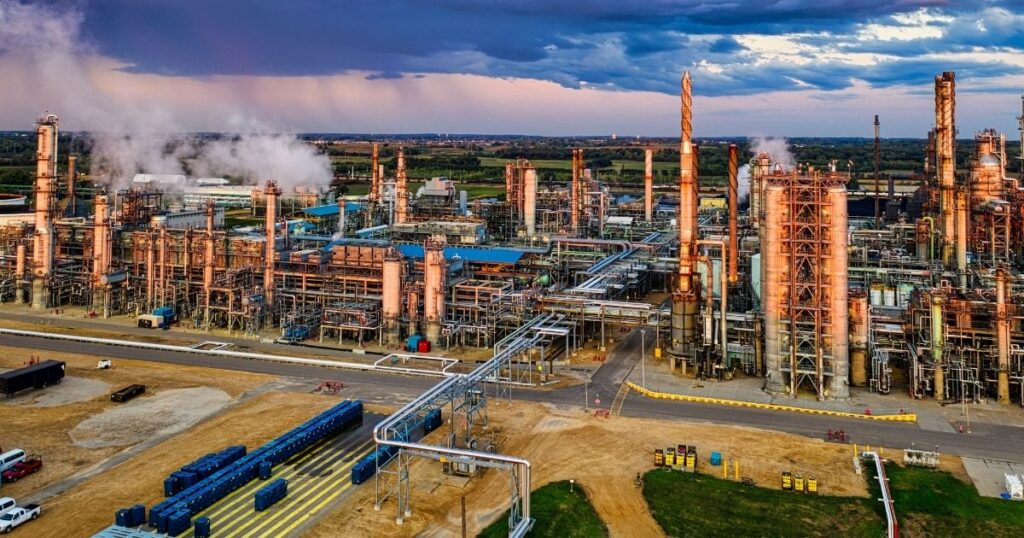
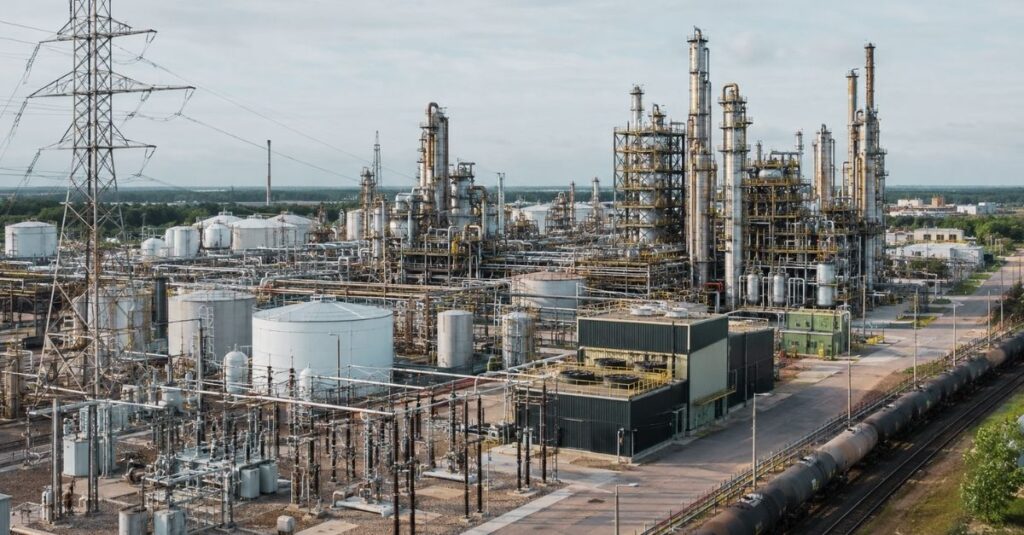
Biometano, SAF e biocombustíveis como instrumentos de descarbonização industrial e logística.
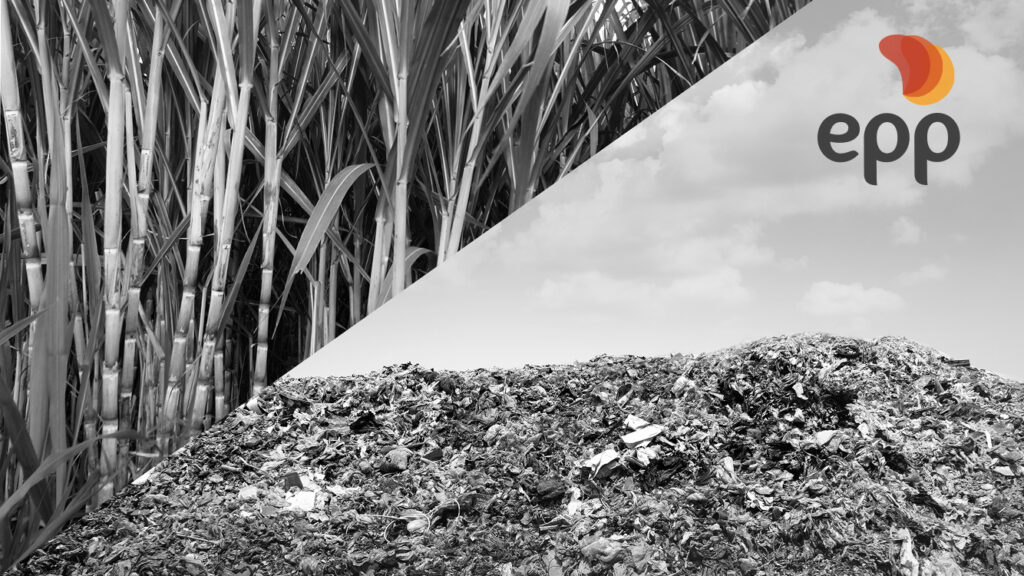
Brazil is beginning to turn agro-industrial waste, biomass and its accumulated expertise in biofuels into an energy platform capable of reducing emissions, replacing fossil fuels and strengthening security of supply The decarbonization of industry, freight transportation and aviation cannot depend on a single technology. In activities that require high energy density, long operating ranges, continuous […]
the participation of biogas and biomethane in the Brazilian matrix
The production of biogas and biomethane is essential, since this transformation helps to reduce greenhouse gas emissions. Thus, in addition to its great environmental importance, this energy source is strategic and competitive.
Como gerar energia a partir de aterros sanitários
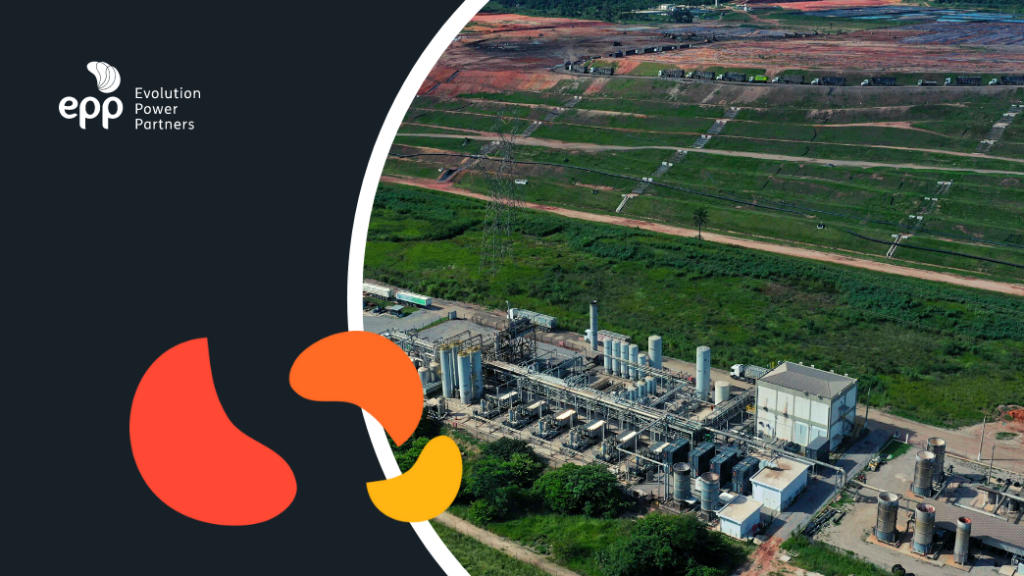
The energy generated from landfills contributes to a reduction in the emission of greenhouse gases, in addition to providing a correct and better disposal of organic waste. Landfills are the main resources used by government entities for disposal and treatment of solid waste produced by the population.
O crescimento da GD rural
The growth of rural DG in Brazil is being driven by rising energy values ​​and uncertainties about security of supply. In addition, the advancement of the Legal Framework for Distributed Generation (PL 5829/2019) in Congress are some factors pointed out to explain the growth.
Incentivo ao biogás: entenda o Projeto de Lei proposto!
What are the existing actions to encourage biogas in the country? Understand what is the Bill 3.865/2021 presented in the Chamber of Deputies.
Como as usinas WTE ajudam no saneamento?
Do you know how WTE plants help the country's development? It is possible to say that on a global level, society is already aware of the importance of the correct disposal of waste. On a general level, governments and companies already recognize the value of these materials for energy generation, in addition to their environmental importance. After all, this type of process transforms useless materials into some by-product that returns to the production chain.