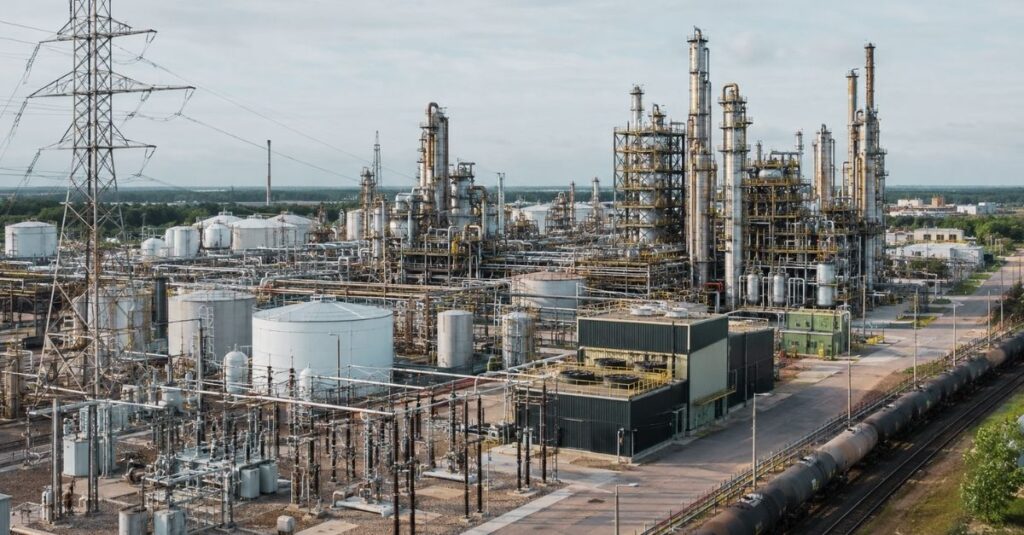
Archives of #Sustainability

  • Home
  • Sustainability
Descarbonização por que reduzir emissões exige transformar a forma como produzimos e consumimos energia
Decarbonization has become a central pillar of the global economic transformation. While the expansion of renewable sources is a fundamental part of this process, reducing emissions requires far broader changes in how energy is produced, transported, stored, and consumed. In Brazil, which already boasts one of the world's most renewable electricity mixes, the challenge is extending to sectors such as transportation, industry, and fuel production, alongside the growing importance of power grids, storage, energy efficiency, biomethane, biofuels, low-emission hydrogen, carbon markets, and new technologies. More than simply replacing fossil fuel sources, decarbonization entails reorganizing entire production systems to create an economy capable of growing with lower carbon intensity.
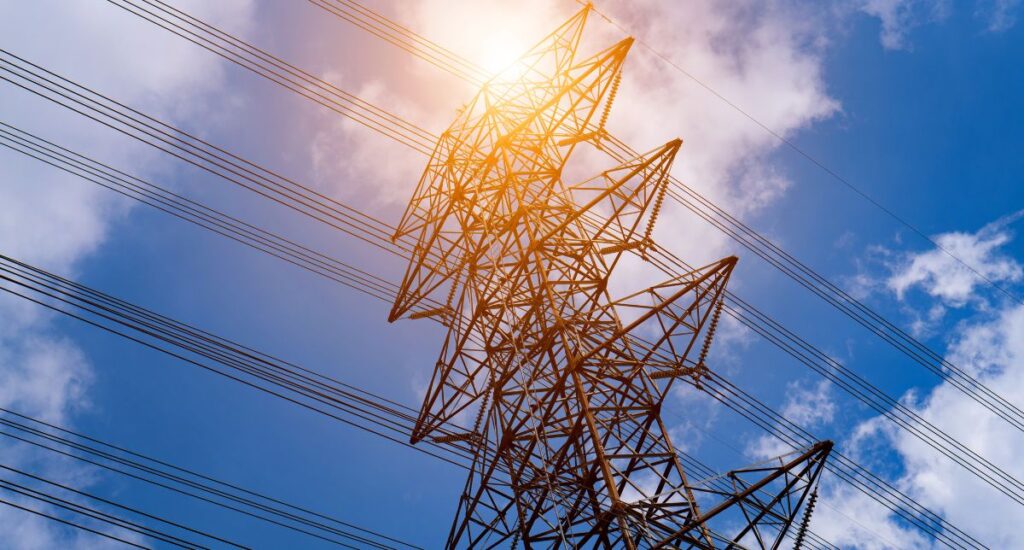
Brasil Renova sua Matriz: 84% de Energia Limpa, Roraima Finalmente Conectada e o Futuro Solar em Xeque
Brazil starts 2026 with 215.9 GW of installed electrical capacity, 84.63% of which comes from renewable sources. ANEEL projects expansion of 9.1 GW throughout the year. At the same time that Roraima finally connects to the National Interconnected System, the solar sector is going through its second consecutive year of slowdown, pressured by generation cuts, high interest rates and network bottlenecks.
Net Zero economy
Imagining a reality in which you don't have to pay a electricity or water bill seems unrealistic or futuristic, doesn't it? But know that this is the proposal of the Net Zero economy and that in some cases this is already possible.