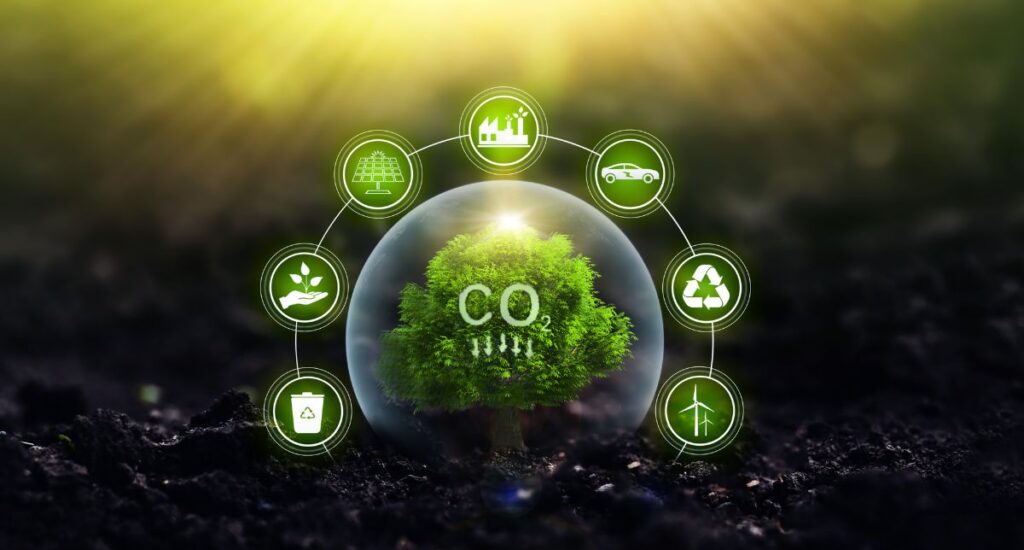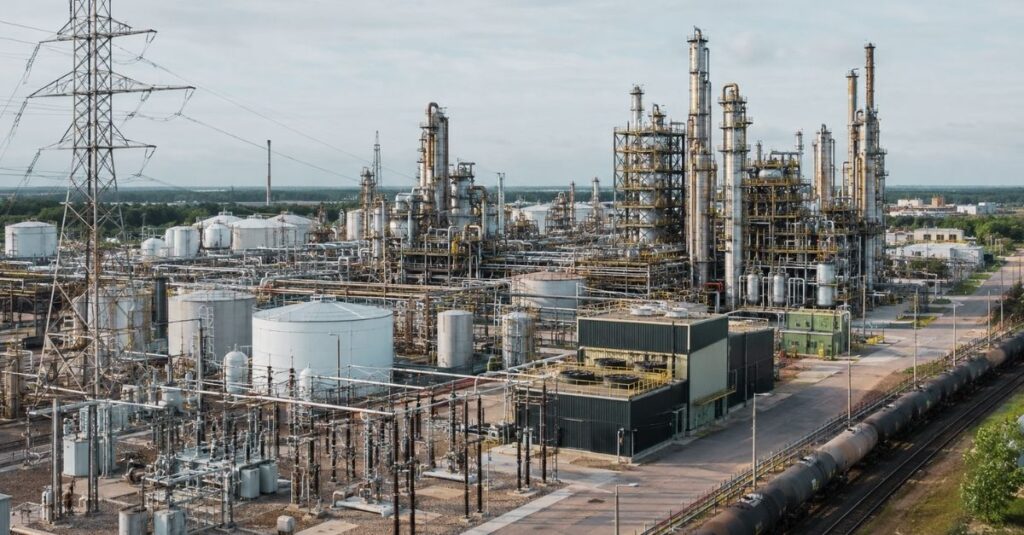
Decarbonization has become a central pillar of the global economic transformation. While the expansion of renewable sources is a fundamental part of this process, reducing emissions requires far broader changes in how energy is produced, transported, stored, and consumed. In Brazil, which already boasts one of the world's most renewable electricity mixes, the challenge is extending to sectors such as transportation, industry, and fuel production, alongside the growing importance of power grids, storage, energy efficiency, biomethane, biofuels, low-emission hydrogen, carbon markets, and new technologies. More than simply replacing fossil fuel sources, decarbonization entails reorganizing entire production systems to create an economy capable of growing with lower carbon intensity.