Archives of Energy security

  • Home
  • Energy security
Usinas termelétricas a gás natural: o papel estratégico das UTEs na segurança energética do Brasi
The expansion of Brazil’s electricity matrix requires more than just an increase in generation capacity. In a system with a growing share of variable renewable energy sources, power availability, operational flexibility, and supply reliability become fundamental components of energy planning. In this context, natural gas-fired power plants play strategic roles, yet they also present challenges related to fuel supply, operating costs, and decarbonization. Understanding these characteristics is essential for evaluating their role within the country’s energy infrastructure.
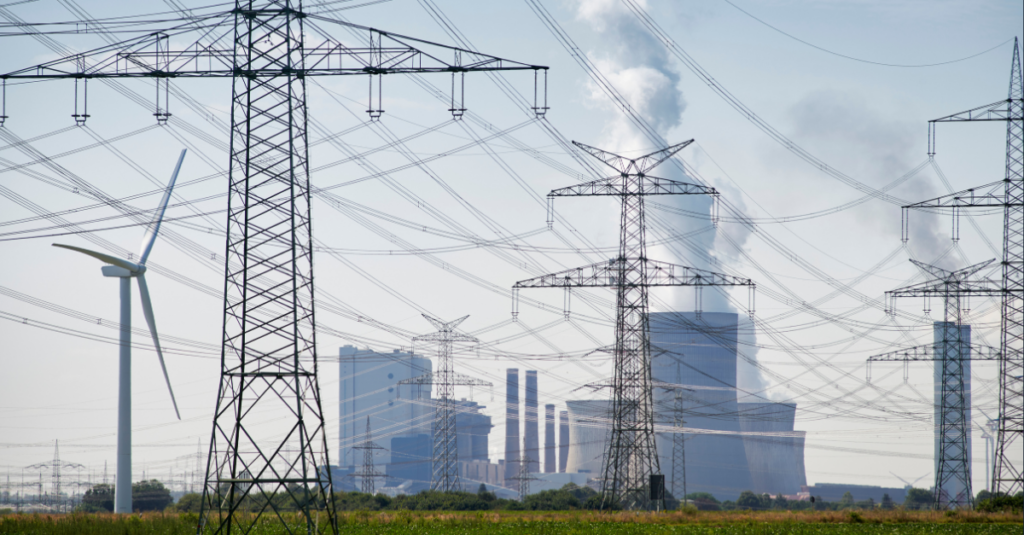
Energy security is an economy's ability to rely on sufficient, reliable energy at costs compatible with its development. In the electricity sector, this depends on diversified generation, grids capable of transmitting electricity, planning, coordinated operation, flexibility, storage, and demand response. In Brazil, the high share of renewable sources represents an advantage, but it also requires continuous adaptation of the infrastructure and system operations.
Segurança energética e os desafios do Brasil
What are Brazil's challenges in terms of energy security? The annual consumption of electricity in the country is 555 TWh (Terawatt-hour), with an average growth in the last ten years of 4% per year, according to the International Energy Agency (IEA).