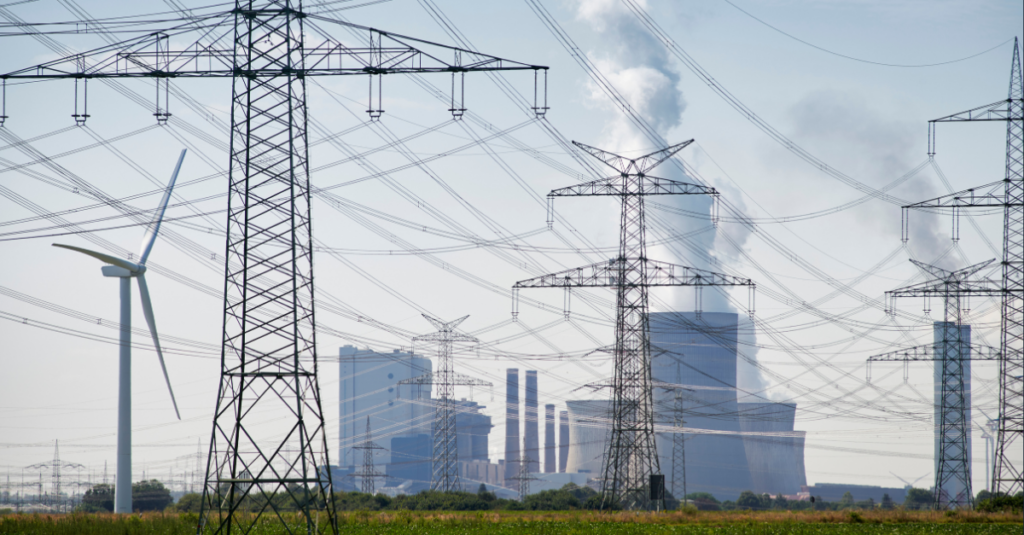
Energy security is an economy's ability to rely on sufficient, reliable energy at costs compatible with its development. In the electricity sector, this depends on diversified generation, grids capable of transmitting electricity, planning, coordinated operation, flexibility, storage, and demand response. In Brazil, the high share of renewable sources represents an advantage, but it also requires continuous adaptation of the infrastructure and system operations.
At a time of energy transition, the power of biomass stands out and gains strength as an alternative and viable energy source to expand on Brazilian soil. With the water crisis and consequently the energy crisis that the country has been experiencing since 2021, clean and renewable sources gain relevance in the development scenario.
What is the future of GD in 2022? On January 6, 2022, Law 14,300 was enacted, providing a real change in the distributed generation market. According to the Brazilian Association of Distributed Generation (ABGD), the law will bring legal certainty to contracts and economic advantages, increasing investments and adherence to the model.
The updating of the sanitation legal framework created a new environment for the development of the RSU and renewables market in the country. The new basic sanitation framework aims to improve access and universalization of water and sewage services. But, in addition, the changes also attract new investments and benefit the urban solid waste energy recovery market (USW).
According to CCEE, in May 2021, thermoelectric plants that used sugarcane bagasse accounted for 33% of the energy supply coming from thermoelectric plants. Waste that was once a problem for the producer is now a source of renewable energy generation. Biomass-powered thermoelectric plants, such as sugarcane bagasse, wood and forestry industry residues, have a high […]
The A-5 new energy auction scheduled to be held on September 30, 2021, led to the registration of almost 94 GW. According to data released by the Energy Research Company (EPE), the largest registered sources were solar, followed by natural gas and wind power. At the event, the Solid Urban Waste (RSU) model was also highlighted, which debuted in the auction in a positive way. There were 315 MW registered in RSU projects, totaling 0.33%.