Archives of Clean Energy

O crescimento da GD rural
The growth of rural DG in Brazil is being driven by rising energy values ​​and uncertainties about security of supply. In addition, the advancement of the Legal Framework for Distributed Generation (PL 5829/2019) in Congress are some factors pointed out to explain the growth.
Como o biogás da agropecuária ajuda na demanda de energia nacional?
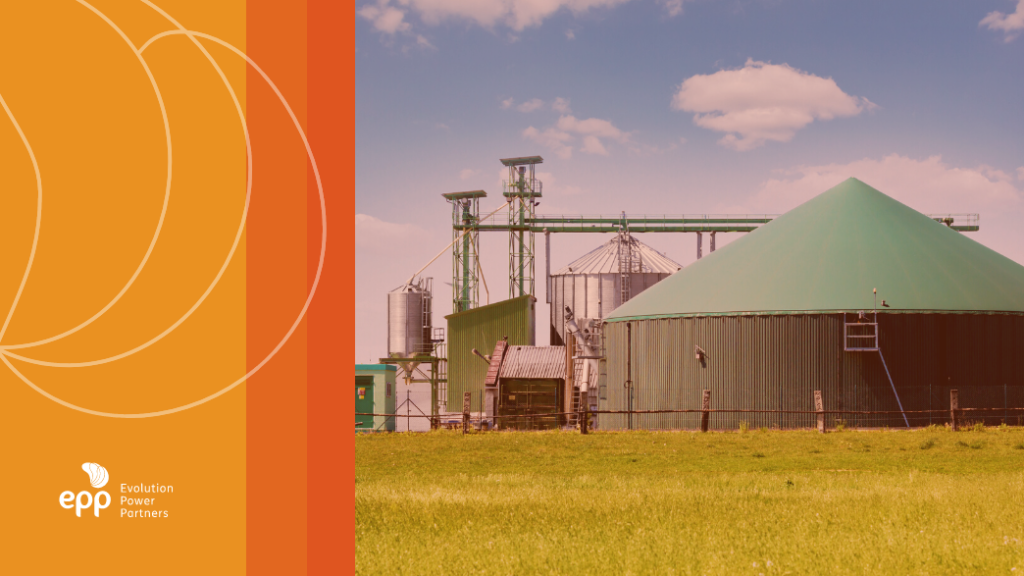
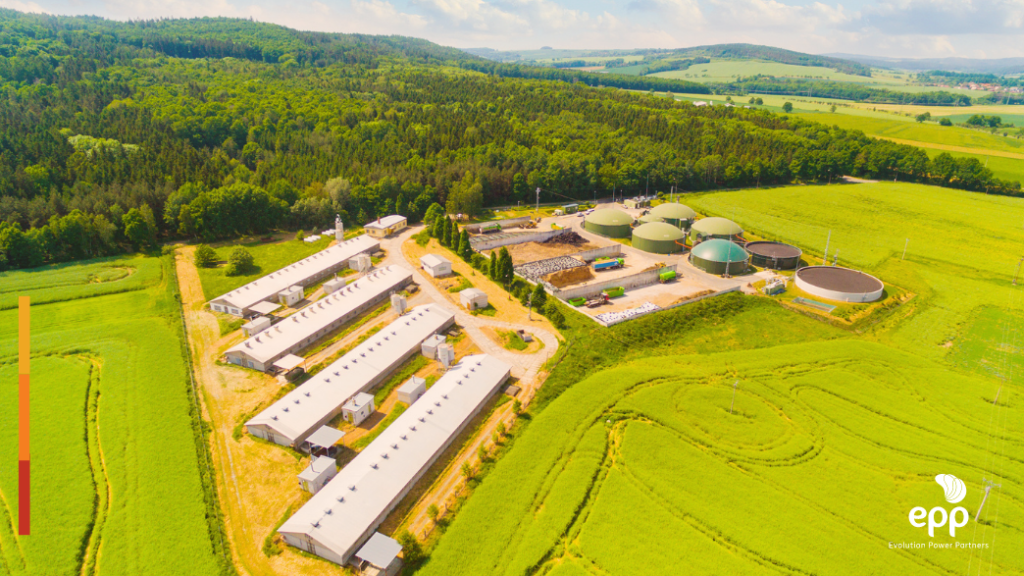
Is it possible to develop biogas in agriculture? In recent years, the agricultural sector has been one of the main drivers of economic growth in Brazil. Following this development, the energy sector has seen in this market a way of generating energy and achieving sustainability goals, such as those agreed at COP26.
Qual a relação da agenda ESG com o desenvolvimento das empresas?
More and more companies are looking for an ESG agenda. In addition to seeking objectives aligned with the environment, society and corporate governance, organizations are also following global decarbonization goals, in the search for building a better world.
Incentivo ao biogás: entenda o Projeto de Lei proposto!
What are the existing actions to encourage biogas in the country? Understand what is the Bill 3.865/2021 presented in the Chamber of Deputies.
Produção de hidrogênio a partir do biogás
How is hydrogen produced from biogas? Hydrogen has great potential in the future to become a clean energy source. However, to date, its production is responsible for around 830 million tons of CO2 emissions per year, due to the use of natural gas and coal in the energy generation process.
Capacidade instalada de energia solar bate recorde no Brasil
The installed capacity of solar energy has broken records in Brazil. See the reasons and understand the importance of this growth.
Como funciona a geração distribuída compartilhada?
Do you know how shared distributed generation (GDC) works? GD in Brazil was regulated by the National Electric Energy Agency (Aneel) in 2012 through Resolution 482. Its objective was to enable Brazilians to produce their own energy from renewable sources — such as wind, solar and biomass sources — and to supply the surplus for the distribution network.