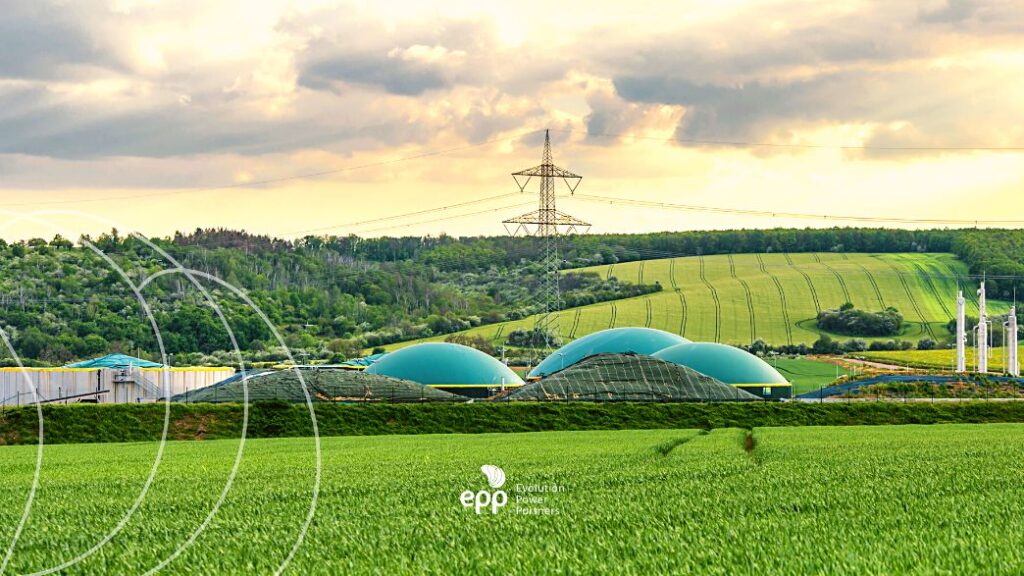
It is not new that people use biogas as a source of energy. If the most common form of use is as fuel for power generation or in vehicles, biogas can also be sustainable and contribute to agriculture.
What is the role of bioenergy in achieving net zero emissions? Bioenergy currently accounts for two-thirds of renewable energy consumption worldwide and 12% of final energy consumption.
In 2022, even with increased energy demand in some countries, emissions from the energy sector are expected to decrease. The data is from the International Energy Agency (IEA) Electricity Market report, which points to a drop in overall global electricity demand of 2.4%. Thus, the values should pull emissions from the energy sector down, pointing to a decline of 0.5%.
More and more companies are investing in carbon credits and renewable energy. With the need to decarbonize the matrixes, governments and organizations are beginning to mobilize to reduce or eliminate their emissions of polluting gases.
The energy transition is the process of migrating from energy production based on fossil fuels, such as oil and coal, to a cleaner generation, investing in renewable sources, such as wind, solar and biomass generation.
Part of the large Brazilian companies have already understood the importance and relevance of ESG goals within organizations. Increasingly, environmental, social and governance issues become priorities with internal changes and even compensation programs for executives linked to the achievement of goals.
In recent years, countries have started to think about how to generate clean energy and the need for an energy transition has grown. In this scenario, in which it is not feasible for all nations to opt for a clean and renewable source overnight, natural gas stands out as an important fuel for this transition.
Biomethane production in Brazil has grown and gas is cited as a source for decarbonization in the transport sector. According to the survey carried out by Abiogás, there are 25 biomethane plants expected to start operating by 2027 with projects in which investment exceeds R$ 1 billion. With this, it is expected to reach 2.3 million m/³ day of produced volume.