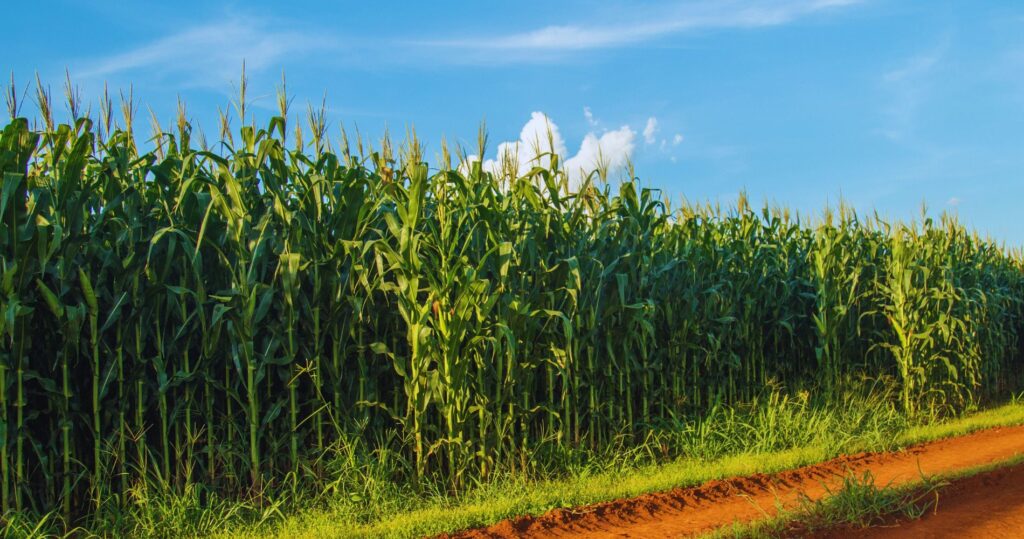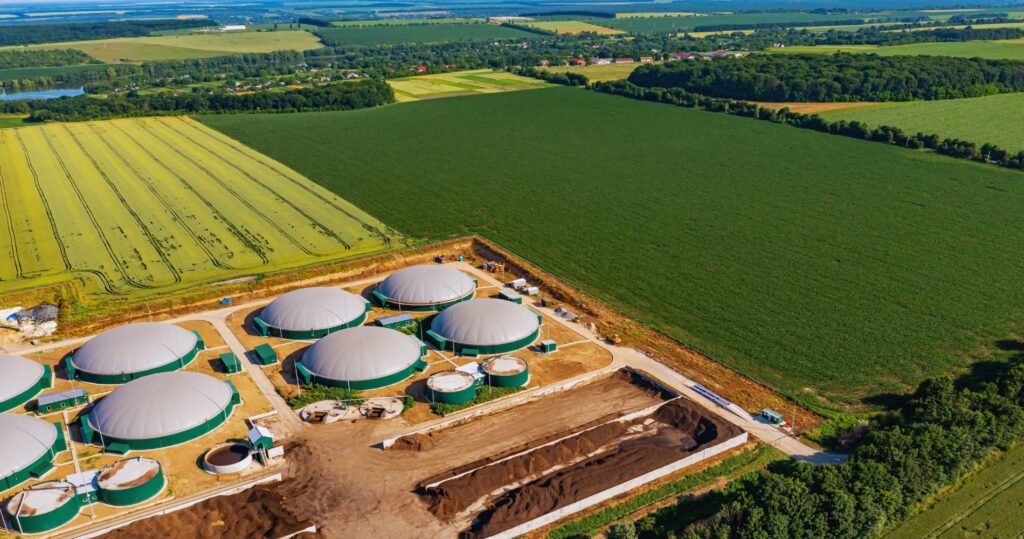
Brazil's wealth of natural resources, including its vast biodiversity and large tracts of agricultural land, provides a solid foundation for bioenergy production. The use of agricultural byproducts, such as sugar cane, soybeans, and forest residues, for the production of biofuels, such as ethanol and biodiesel, exemplifies the integration between agriculture and energy, promoting a circular and sustainable economy.
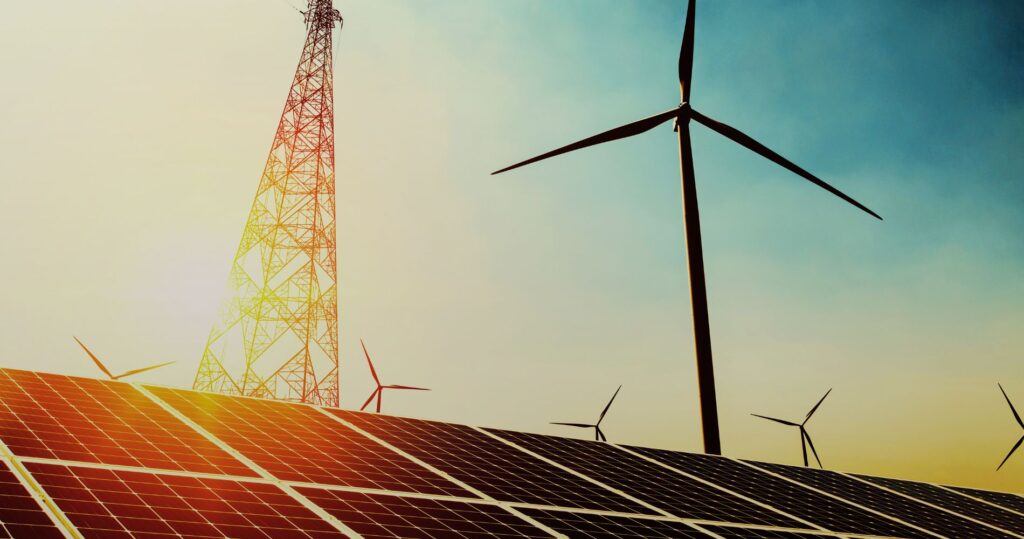
Brazil, a country recognized for its diversity and natural wealth, has positioned itself prominently in the global clean and renewable energy scenario. Since the mid-20th century, the country has followed a pioneering path in the energy transition, anticipating global trends and establishing a model for other nations. This article explores Brazil's journey towards a more sustainable energy future, highlighting its importance not only for the local environment, but also as a global example of innovation and commitment to sustainability.
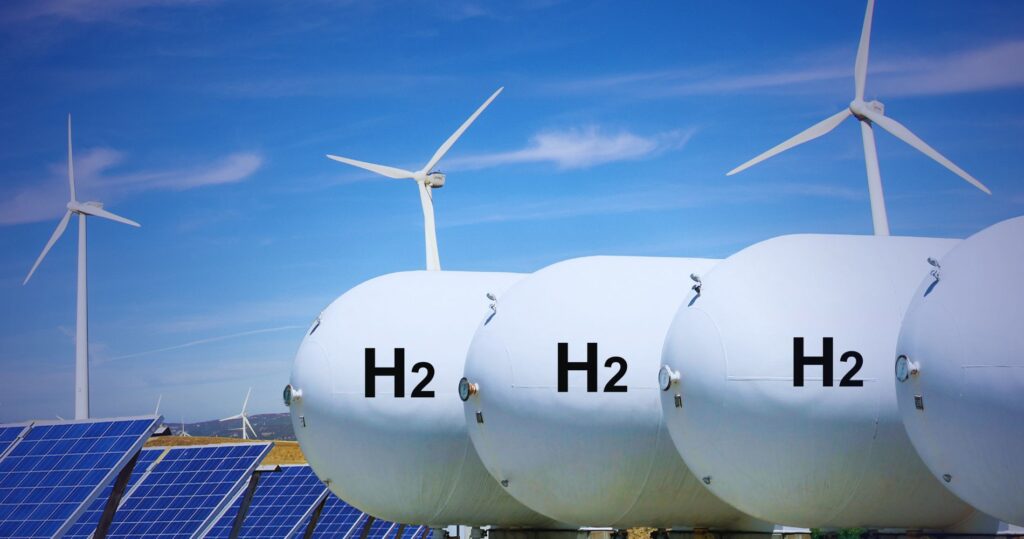
Green hydrogen emerges as an essential protagonist in the transition to a low-carbon economy. Its production, through the electrolysis of water using renewable energy, offers a promising path to reducing greenhouse gas emissions, especially in industrial and transport sectors where direct electrification is not viable.
As the world becomes more aware of the environmental and social impacts of its actions, the Brazilian logistics sector is at the forefront of adopting ESG (Environmental, Social, and Governance) practices. This article addresses the innovations and challenges faced by the sector, with a special look at the contribution of sustainable initiatives such as the use of biomethane.
Today, December 1st, Brazil began its term as president of the G20, the influential group that brings together the nineteen main global economies, in addition to the European Union and the African Union. This period of leadership, which will last until November 30, 2024, marks the first time that the country has held such a position. During this year, Brazil's priority focus is to promote the transition to sustainable energy, drive changes in global governance and redouble efforts to combat inequality and hunger.
In 2023, energy transition and ESG practices have become central. Climate changes intensify extreme phenomena, demanding actions like decarbonization. CFOs, previously focused only on finances, are now pivotal in the transition, assessing emissions and energy efficiency. Brazil invests in renewable energies but faces regulatory challenges. Green hydrogen emerges as a solution, with Brazil poised to lead its production. Transition and ESG practices are imperative for a sustainable future.
Hydrogen, the most abundant element in the universe, promises to revolutionize the energy sector with its "colored" variants, such as gray, blue and green. Brazil innovates with "green and yellow" hydrogen, derived from ethanol. While there are challenges such as transportation, the opportunities are vast, from job creation to global strategic positioning. Hydrogen symbolizes hope for a cleaner, more sustainable future.