Archives of Energy Transition

  • Home
  • Energy Transition
Cortar emissões pela metade. Gerar muito mais eletricidade.
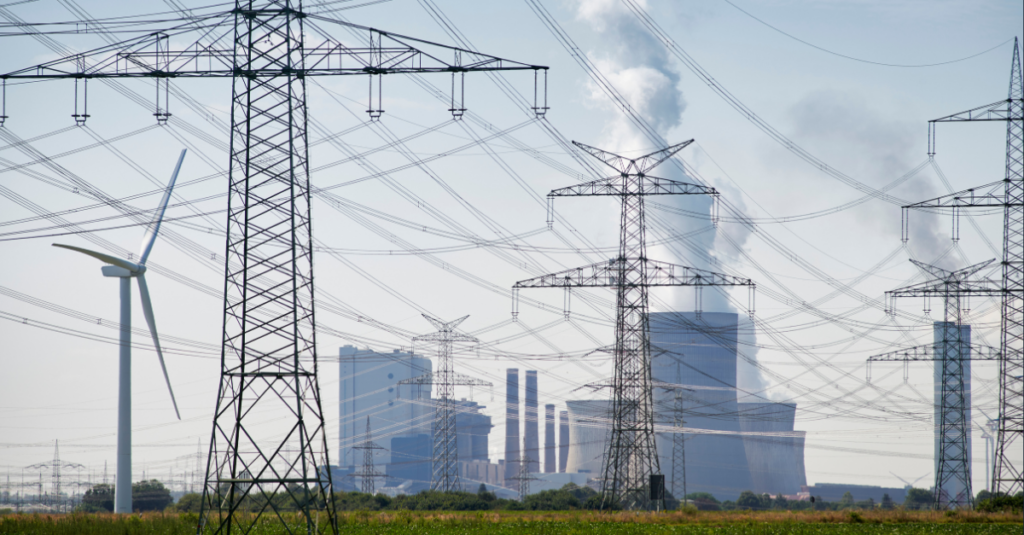
The world must reduce CO2 emissions by 30 to 50% by 2030 while simultaneously increasing electricity generation by at least 40% by 2035. These two goals must move forward together, yet they are still progressing at opposite speeds. The paradox is not climate rhetoric. It is the central challenge documented by the study Back to 2050, from the Schneider Electric Sustainability Research Institute, and by the World Energy Outlook 2025 from the International Energy Agency (IEA). Understand what is at stake, how we got here, what the main agreements and laws determine, and why Brazil could play a leading role.
Descarbonização Sai do Discurso e Entra nas Planilhas
Brazilian companies are turning decarbonization into a core business strategy in 2026. A regulated carbon market, measurable ESG targets, and renewable energy are reshaping competitiveness and access to investment in Brazil.
Transição energética: o Brasil diante de uma transformação estrutural da economia global
Talking about the energy transition is no longer a prospective exercise; it has become a concrete discussion about economic competitiveness, energy security, and geopolitical positioning. A topic that little more than a decade ago revolved mainly around academic reports and multilateral forums is now at the center of decisions by governments, companies, investors, and regulatory bodies.
Crescimento global de biogás e biometano: tendências de produção e políticas públicas
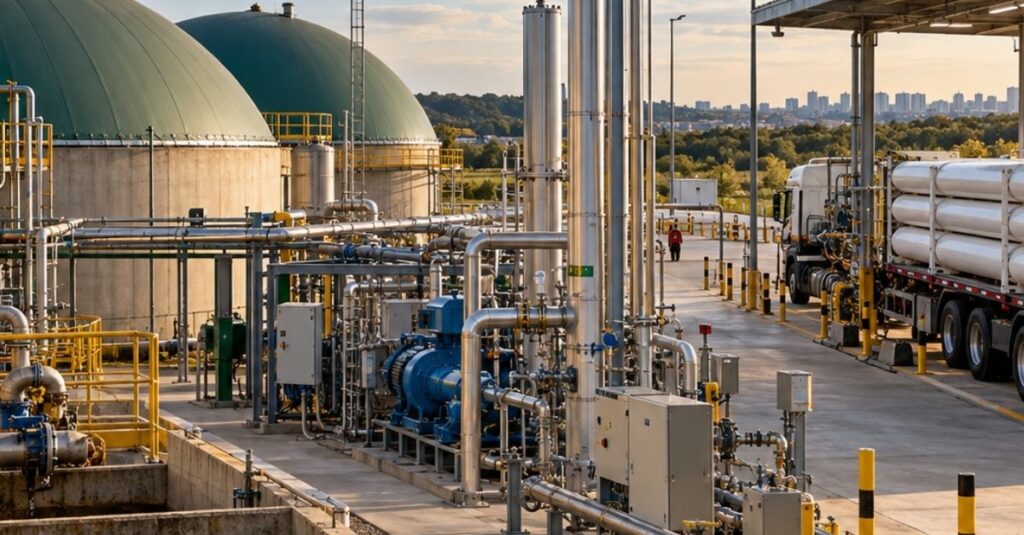
The IEA report highlights that global biogas and biomethane production volumes could rise by 22 percent by 2030 compared to 2025, reflecting a review of expectations and a more favorable scenario for investments in renewable energy. The analysis includes data that reveals variations in the speed of growth between regions, with emphasis on Europe, North America and developing markets in Asia and Latin America.
O ESTUDO QUE QUANTIFICA O CUSTO DA INAÇÃO CLIMÁTICA: R$ 17 TRILHÕES ATÉ 2050
In a study presented in November 2025 during COP30 in Belém, the Ministry of Planning and Budget released a 219-page analysis quantifying the economic impacts of climate change in Brazil. The numbers reveal that climate action is not an isolated environmental issue, but a structural economic imperative: inaction could cost between R$10.3 trillion and R$17.1 trillion in GDP by 2050, while climate action would generate an additional R$6.7 trillion in wealth.
Quais são os impactos das metas do Acordo de Paris sobre energia e investimentos?
In December 2025, the Paris Agreement marked a decade as the cornerstone of global climate governance. Signed by 195 countries at COP21, the agreement established the commitment to limit the increase in average global temperature to well below 2 °C above pre-industrial levels, while pursuing efforts to cap warming at 1.5 °C. Ten years on, the question that arises is both direct and strategic: in practical terms, what are the impacts of these targets on the energy sector and on investment decisions?
Biometano e Economia Circular: O Protagonismo Brasileiro na Transição Energética Pós-COP30
As global leaders debate the direction of decarbonization, Brazil emerges as a key player in the energy revolution driven by the circular economy and biomethane. In the wake of COP30, held in Belém, the country intensifies its efforts to align sustainability, social inclusion and technological innovation. The November 2025 landscape establishes biomethane and eco-parks as […]
Como o Brasil está financiando a transição para energia limpa em 2025-26
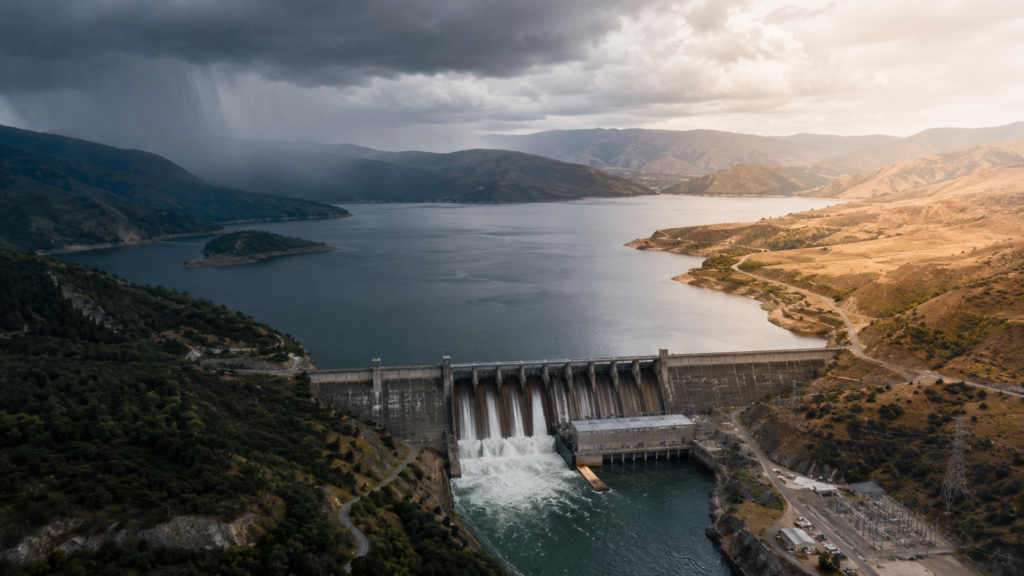
Brazil is experiencing one of the most decisive moments in its energy history. With an electricity mix already largely renewable—about 88% of generation coming from clean sources, according to data from the Energy Research Company (EPE)—the country now faces a new challenge: financing the sustainable expansion of its infrastructure, diversifying its energy matrix, and ensuring energy security amid the global transition to a low-carbon economy.