Archives of Climate Change

  • Home
  • Climate Change
Cortar emissões pela metade. Gerar muito mais eletricidade.
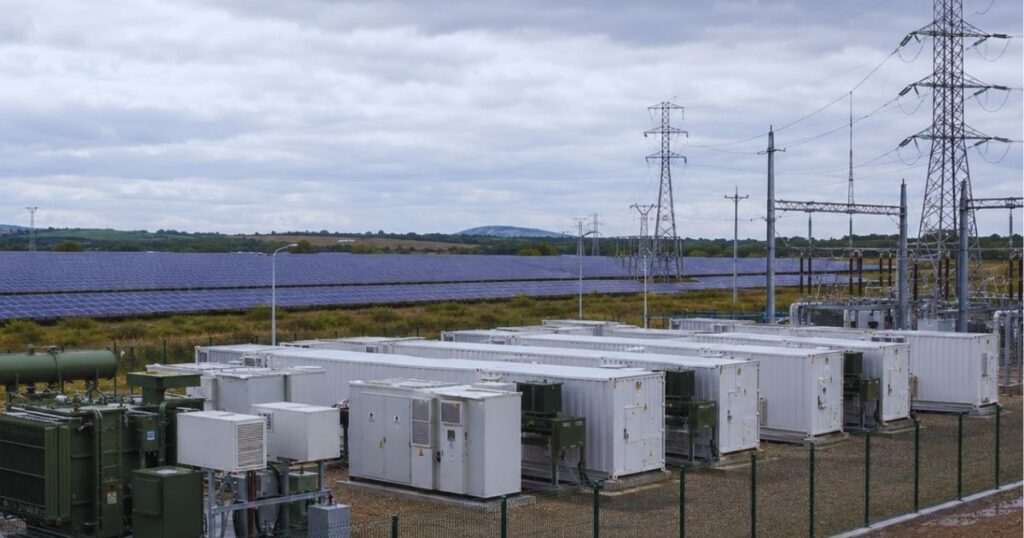
The world must reduce CO2 emissions by 30 to 50% by 2030 while simultaneously increasing electricity generation by at least 40% by 2035. These two goals must move forward together, yet they are still progressing at opposite speeds. The paradox is not climate rhetoric. It is the central challenge documented by the study Back to 2050, from the Schneider Electric Sustainability Research Institute, and by the World Energy Outlook 2025 from the International Energy Agency (IEA). Understand what is at stake, how we got here, what the main agreements and laws determine, and why Brazil could play a leading role.
IPCC e o Alerta Vermelho: Emissões Globais em 2026 e o Futuro Climático
In 2026, the Intergovernmental Panel on Climate Change (IPCC) continues to serve as the scientific compass guiding humanity on its climate journey. This article explores the alarming CO2 emissions records of 2025, projections for 2026, and the IPCC’s ongoing efforts to produce new reports aimed at addressing climate change and supporting urban adaptation.
Alerta vermelho: quase 90% dos vazamentos de metano rastreados por satélite permanecem sem correção, adverte United Nations Environment Programme antes da COP30
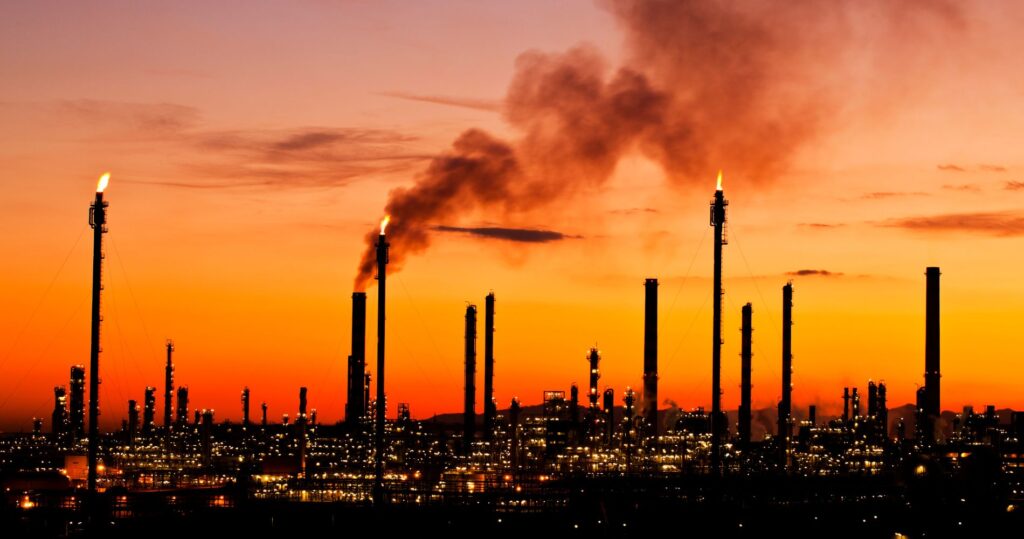
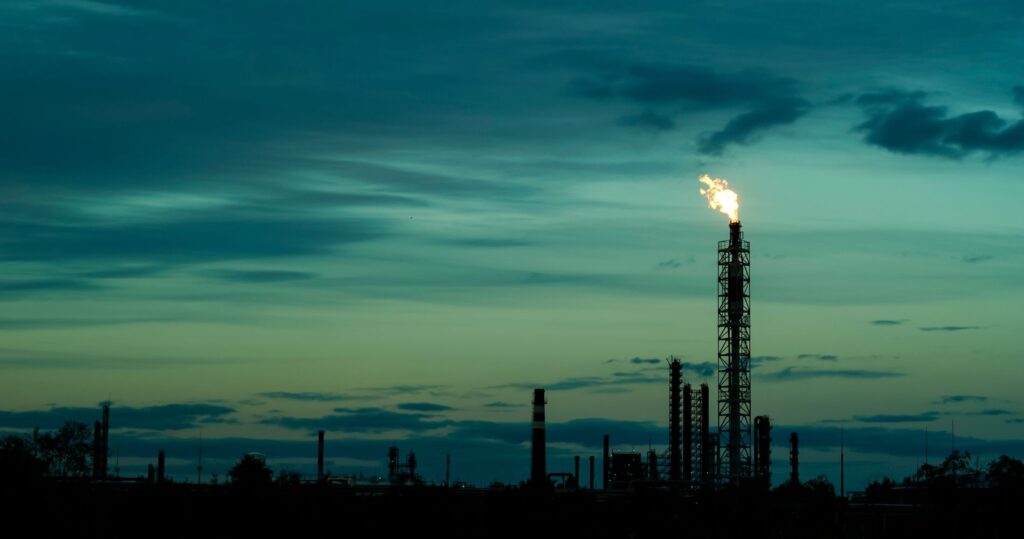
On the eve of COP30, the UN issues a serious warning: despite thousands of methane leaks identified via satellite, almost 90% of them have not been corrected — which profoundly undermines the ongoing emissions reduction target. Data from UNEP's International Methane Emissions Observatory (IMEO) reveal systemic failures in the response of governments and the oil and gas sector, even though they may represent “easy wins” in mitigation. This article details the data, the implications for the climate, what is behind the delay and why methane is considered “the invisible levity” but has an immediate effect on the climate crisis.
Mudanças Climáticas e Mitigação: O Imperativo de 2025 para um Futuro Sustentável
The year 2025 emerges as a critical milestone in the fight against climate change. Recent reports from organizations such as the International Renewable Energy Agency (IRENA), the United Nations (UN), and the Intergovernmental Panel on Climate Change (IPCC) converge on a clear message: the window of opportunity to avoid the most catastrophic impacts of global warming is rapidly closing.
Brasil e o mundo enfrentam impactos inéditos das mudanças climáticas; especialistas apontam soluções energéticas e estruturais
With a global average temperature 1.55 °C above pre-industrial levels in 2024, governments accelerate energy transition and urban adaptation to contain environmental and socioeconomic impacts
Mudança climática entra em estágio crítico e ONU alerta para impactos irreversíveis
The data is alarming. The concentration of greenhouse gases (GHG) reached the highest level in the past 800,000 years, sea levels are rising at an accelerated pace, and oceans are absorbing record amounts of heat. The impact is being felt across the planet, with extreme weather events becoming more frequent and severe.
financiamento-climatico-e-transicao-energetica-no-centro-das-discussoes-globais
During the G20 summit held in Rio de Janeiro in November 2024, leaders of the world’s major economies gathered to discuss crucial issues related to climate financing and the energy transition. Brazil, as the host, played a central role in the negotiations, emphasizing the need for robust financial resources to support developing countries in implementing […]