Decarbonization has become a central pillar of the global economic transformation. While the expansion of renewable sources is a fundamental part of this process, reducing emissions requires far broader changes in how energy is produced, transported, stored, and consumed. In Brazil, which already boasts one of the world's most renewable electricity mixes, the challenge is extending to sectors such as transportation, industry, and fuel production, alongside the growing importance of power grids, storage, energy efficiency, biomethane, biofuels, low-emission hydrogen, carbon markets, and new technologies. More than simply replacing fossil fuel sources, decarbonization entails reorganizing entire production systems to create an economy capable of growing with lower carbon intensity.
Brazil is beginning to turn agro-industrial waste, biomass and its accumulated expertise in biofuels into an energy platform capable of reducing emissions, replacing fossil fuels and strengthening security of supply The decarbonization of industry, freight transportation and aviation cannot depend on a single technology. In activities that require high energy density, long operating ranges, continuous […]
In early April, Brazil reached a point the energy sector had been awaiting for months. On April 1, 2026, the National Energy Policy Council (CNPE) approved the decarbonization target for natural gas producers and importers: a 0.5% reduction in emissions through the participation of biomethane in consumption.
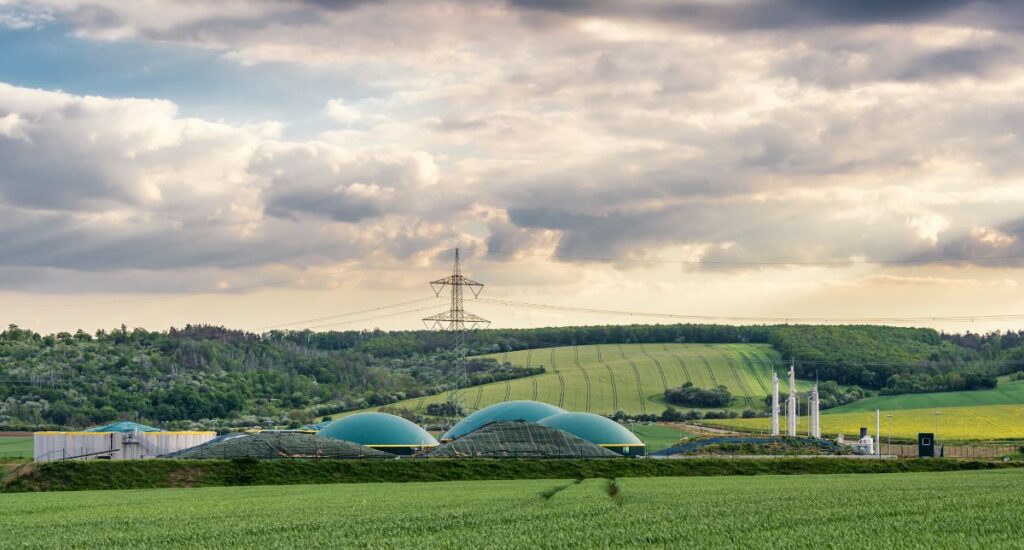
The Certificate of Guarantee of Origin for Biomethane has just been definitively regulated by the ANP. With Resolutions No. 995 and No. 996, published in March 2026, Brazil created a new financial instrument: an asset that proves the renewable origin of the gas, can be traded separately from the physical molecule and serves both to meet mandatory regulatory targets and voluntary corporate decarbonization strategies. For most investors, CGOB is still unknown. This article explains how it works, what differentiates it from RenovaBio's CBIOs, what the risks are and why 2026 could be the inflection point for anyone who wants to position themselves in this market before it matures.
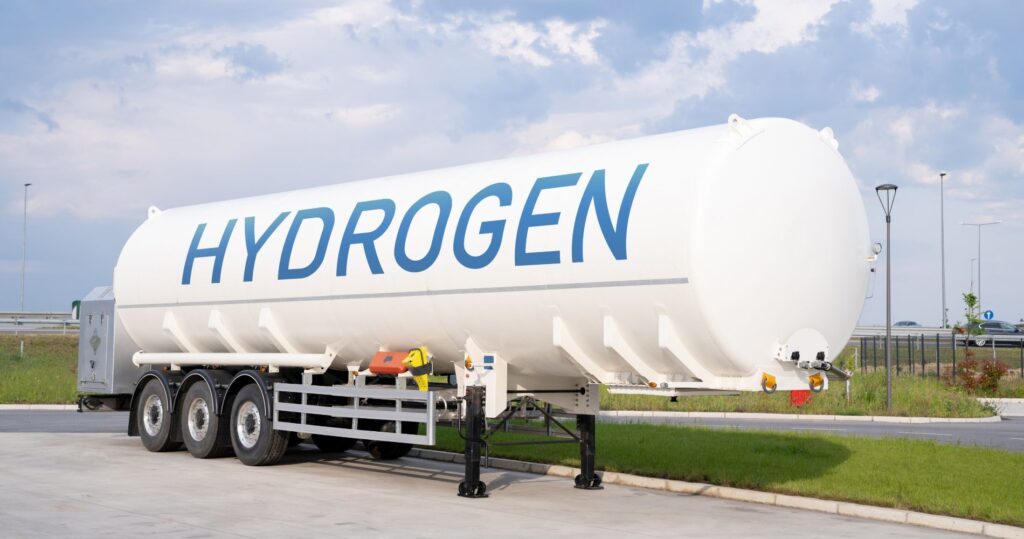
With more than 1,700 clean hydrogen projects mapped worldwide and demand projections requiring annual investments exceeding US$1 trillion starting in 2030, according to the International Energy Agency (IEA), the question is no longer whether green hydrogen will become a major commodity, but who will produce and export it.