Brazil has stood out globally in the transition to a more sustainable energy matrix. According to the recent report by the World Economic Forum, the country ranks first among emerging countries and all nations in the Americas.
Climate change represents one of the greatest global challenges of the 21st century, directly affecting ecosystems and human life. The energy transition emerges as a crucial response, aiming to replace energy sources that exacerbate the problem with sustainable alternatives. This article deeply explores the interactions between these two phenomena, highlighting the importance of coordinated and […]
ESG, standing for Environmental, Social, and Governance, is an increasingly relevant approach in corporate and investment decisions. These criteria are essential for assessing a company’s commitment to sustainable and responsible practices, indicating a global movement towards more conscious and ethical operations. The Environmental pillar of ESG focuses on business practices related to environmental sustainability, which […]
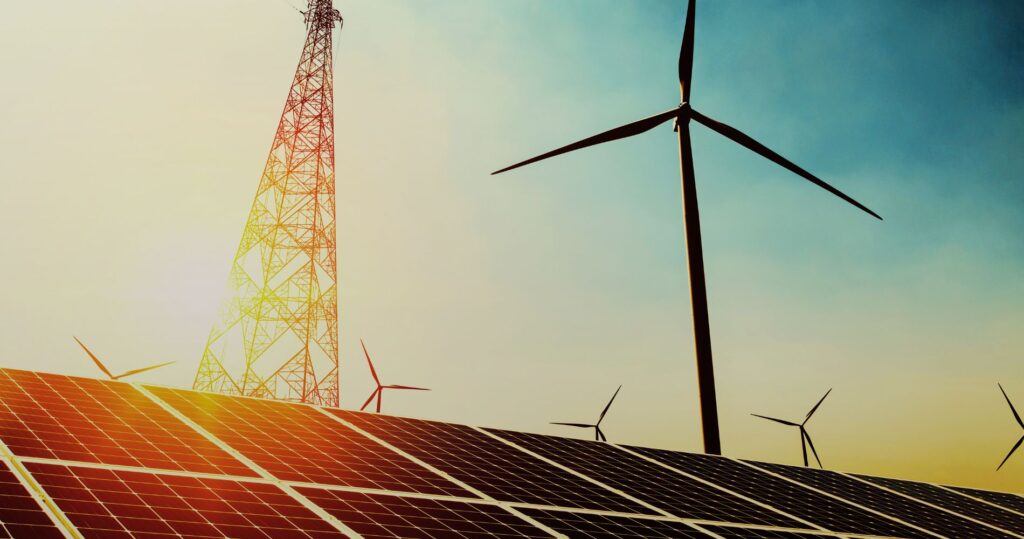
In a world increasingly aware of the impacts of climate change, decarbonization, energy transition, and the adoption of clean energy are key concepts. Decarbonization refers to reducing or eliminating carbon dioxide (CO2) emissions in production and energy processes, a necessary step to combat global warming. The energy transition involves shifting from fossil fuel-based energy sources to renewable alternatives, such as solar and wind, which have a much smaller environmental impact. Clean energy, which encompasses these renewable sources, is vital for a sustainable future and is central to global climate policy discussions.
Energy transition in Brazil is a central initiative in tackling global climate change and promoting sustainable development. This revised text highlights the significance and impacts of this transformation, reinforcing Brazil's role as a potential leader in renewable energy.
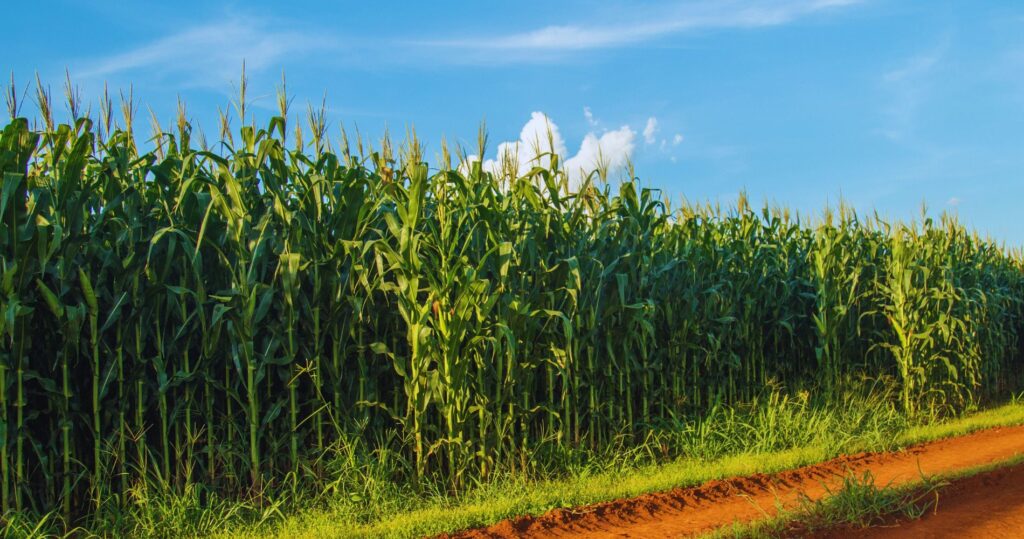
Brazil's wealth of natural resources, including its vast biodiversity and large tracts of agricultural land, provides a solid foundation for bioenergy production. The use of agricultural byproducts, such as sugar cane, soybeans, and forest residues, for the production of biofuels, such as ethanol and biodiesel, exemplifies the integration between agriculture and energy, promoting a circular and sustainable economy.
In the global context of climate change, Brazil emerges as a leader in energy transition. The nation stands out for its ability to generate clean energy, making it an attractive destination for investments in this area.
Brazil, a country recognized for its diversity and natural wealth, has positioned itself prominently in the global clean and renewable energy scenario. Since the mid-20th century, the country has followed a pioneering path in the energy transition, anticipating global trends and establishing a model for other nations. This article explores Brazil's journey towards a more sustainable energy future, highlighting its importance not only for the local environment, but also as a global example of innovation and commitment to sustainability.
In a global scenario where consumption and pollution grow exponentially, waste emerges as a symbolic challenge, highlighting methane (CH4) as one of the main villains of the greenhouse effect. In this context, Eva Energia stands out for transforming this environmental problem into a renewable and sustainable energy source.