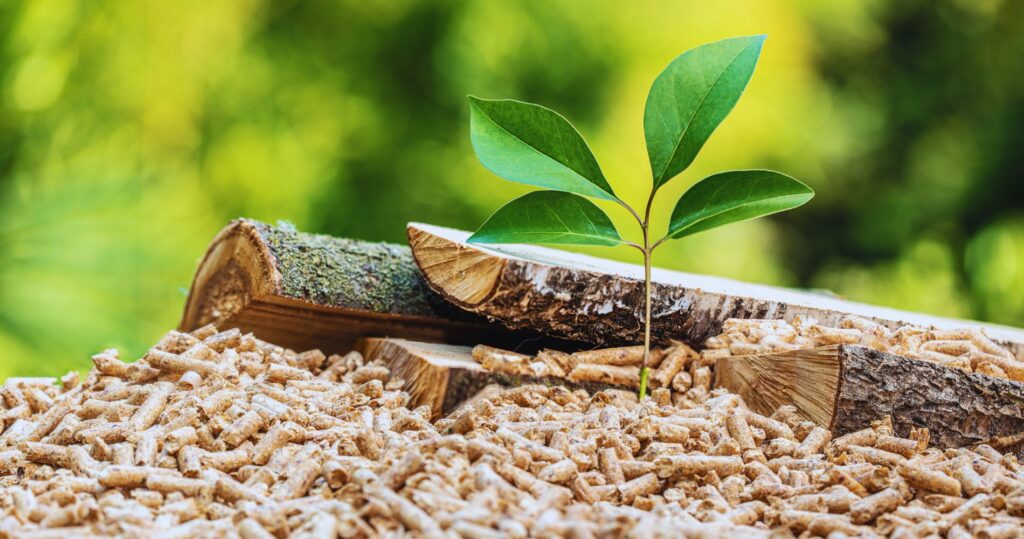
In 2023, biomass consolidated its position as one of the main sources of renewable energy in Brazil, contributing significantly to the diversification of the national energy matrix. Its integration into the National Interconnected System (SIN) was driven by the record generation of 3,200 average MW, a milestone that highlights not only the energy potential of this source, but also its relevance for the country's energy security and environmental sustainability.
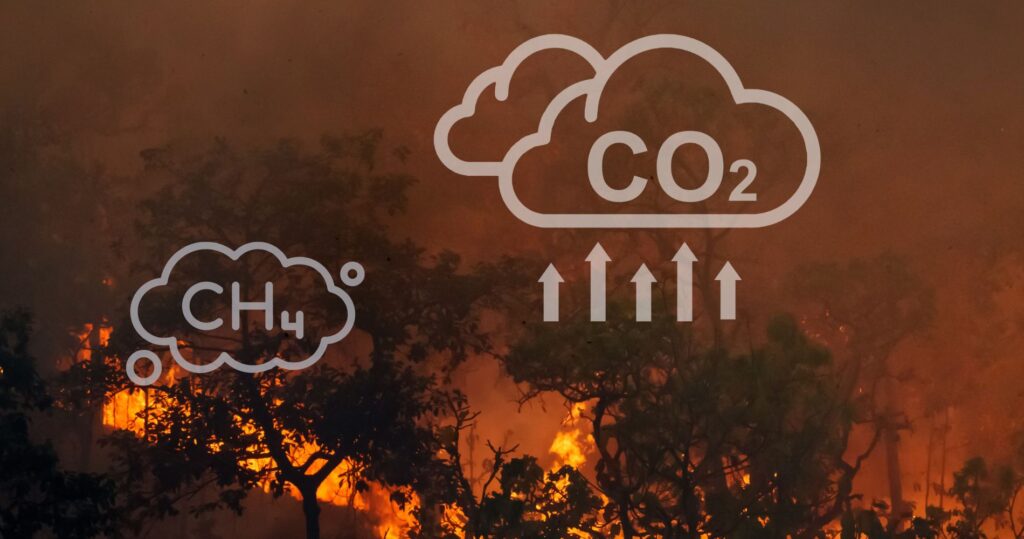
Main Greenhouse Gases and Their Impacts Greenhouse gases (GHGs) are gaseous components that contribute to the greenhouse effect, a natural phenomenon that keeps the Earth’s temperature habitable. However, the excessive concentration of these gases in the atmosphere, mainly resulting from human activities, has intensified global warming, leading to significant climate changes. The main GHGs include […]
Brazil's wealth of natural resources, including its vast biodiversity and large tracts of agricultural land, provides a solid foundation for bioenergy production. The use of agricultural byproducts, such as sugar cane, soybeans, and forest residues, for the production of biofuels, such as ethanol and biodiesel, exemplifies the integration between agriculture and energy, promoting a circular and sustainable economy.
In a global scenario where consumption and pollution grow exponentially, waste emerges as a symbolic challenge, highlighting methane (CH4) as one of the main villains of the greenhouse effect. In this context, Eva Energia stands out for transforming this environmental problem into a renewable and sustainable energy source.