The start of the biomethane mandate in 2026 marks the entry of renewable gas into Brazilian climate policy in a structured way, with mandatory natural gas decarbonization targets and specific traceability instruments. The contribution is still modest in percentage terms, but the year inaugurates a regulated market that includes climate goals, waste use and energy security in the same agenda.
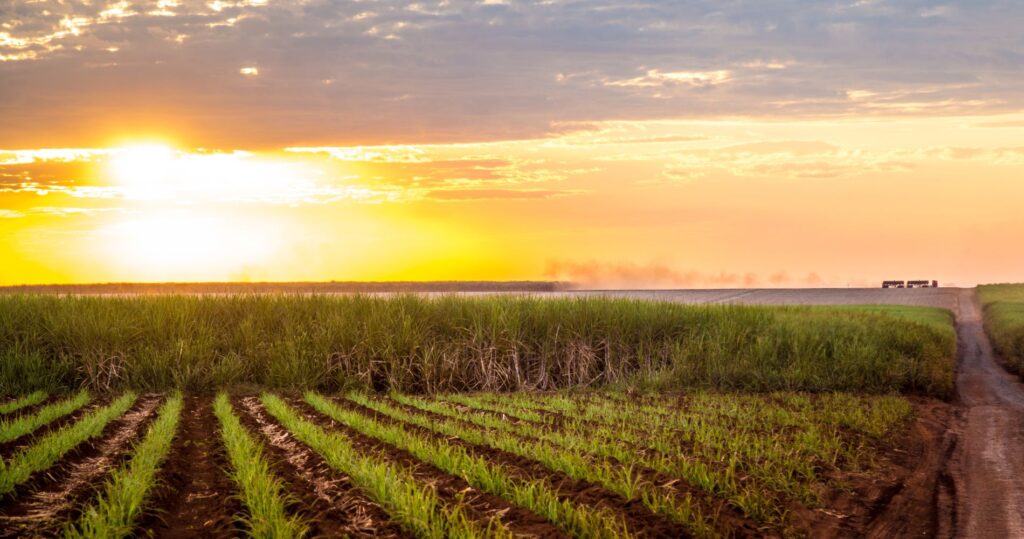
While the world’s eyes turn to intermittent sources such as solar and wind power, Brazil holds within its fields and industries a sleeping giant, ready to awaken and lead the next phase of the global energy transition: biomass. With COP30 in Belém approaching, the country is in a unique position to showcase not only its potential but also a consolidated model of energy security rooted in one of its greatest strengths: agribusiness.
Bioelectricity is gaining momentum in Brazil, accounting for 9% of the country’s power supply, with sugarcane bagasse alone responsible for 75% of bioenergy generation. However, despite its massive potential, the sector still struggles with regulatory and market barriers that hinder its full expansion.
The BECCS (Bioenergy with Carbon Capture and Storage) technology is one of the biggest innovations in the fight against climate change. More than just a sustainable alternative, this approach enables CO₂ removal from the atmosphere while generating energy, driving a real revolution in the low-carbon economy.
- 1
- 2


