Brazil’s Ministry of Finance released the preliminary proposal for sectoral coverage under the Brazilian Emissions Trading System (SBCE) on May 19, 2026. For the first time, companies and investors have clarity on which economic sectors will be subject to the regulated carbon market, and when. Heavy industry, oil and gas, and aviation lead the first phase, scheduled for 2027. The power sector follows in 2029, along with waste management. Final regulations are expected to be published by December 2026, with implementation beginning in 2027. For the market, the landscape has shifted from expectation to planning.
The move that changed the tone of the week
On Tuesday, May 19, 2026, Brazil’s Ministry of Finance did what the market had been expecting since December 2024: it presented, in detail, which sectors of the Brazilian economy will be subject to the regulated carbon market. The proposal was submitted to the Permanent Technical Advisory Committee (CTCP) of the SBCE, the Brazilian Emissions Trading System established under Law No. 15,042/2024, marking a turning point in the maturity of the country’s climate regulation.
This is not yet a final list. The proposal will still be reviewed by the committee, undergo public consultation in July, and should result in final regulation by December 2026. But for the first time, the market now has a concrete roadmap showing who enters the system, when, and under which obligations. For investors, this transforms an abstract variable, carbon risk, into something that can be priced.
The proposal was presented by the Extraordinary Secretariat for the Carbon Market (SEMC), linked to the Ministry of Finance. According to Secretary Cristina Reis, the document “was built based on technical criteria, dialogue with the sectors, and particularly taking into account Brazil’s productive reality,” with the goal of “ensuring a gradual, predictable, and evidence-based transition.”
What the SBCE is and why it matters now
The SBCE is Brazil’s regulated carbon market. It operates under a cap-and-trade model: the government sets an emissions cap for each sector and distributes or auctions emission allowances (CBEs, Brazilian Emission Allowances). Companies that remain below the limit can sell their surplus. Those exceeding the cap must purchase allowances from third parties or use offset credits.
Unlike the voluntary market, the regulated market is mandatory by law and constitutes one of the pillars of the government’s Ecological Transformation Plan, aligned with Brazil’s commitments under the Paris Agreement.
The law was enacted in December 2024, but the system is only now gaining operational traction. In October 2025, the Extraordinary Secretariat for the Carbon Market was created under the Ministry of Finance. In November, the ministry identified the completion of the entire sub-legal regulatory framework by December 2026 as a priority, a deadline that, if met, would provide the productive sector with a minimum level of predictability.
The global context reinforces the urgency. According to World Bank data, countries collected US$107 billion last year by charging companies for their carbon dioxide emissions, a 2% increase compared to 2024. The average carbon price doubled between 2016 and 2026, reaching nearly US$21 per ton of CO₂ equivalent. Brazil still does not charge for emissions. But it is building the conditions to do so.
The sectors entering first and the timeline through 2031
The proposal divides sector participation into three phases, organized according to emissions intensity and technical adaptation capacity.
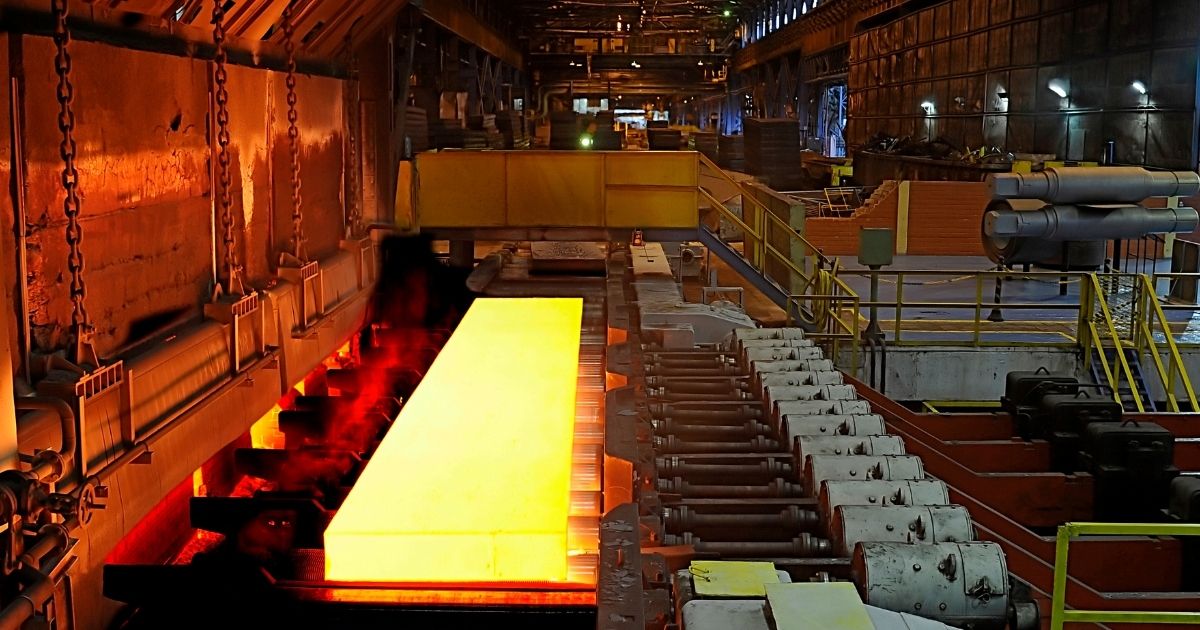
The first phase, expected to begin in 2027, includes the pulp and paper, iron and steel, cement, primary aluminum, oil and gas exploration and production, oil refining, and aviation sectors. These are the sectors with the longest history of emissions monitoring in Brazil and a significant share of total industrial emissions.
The second phase, scheduled for 2029, includes mining, recycled aluminum, the power sector, glass, food and beverages, chemicals, ceramics, and waste management. The third phase, beginning in 2031, incorporates road, waterway, and rail transportation sectors.
The inclusion of the power sector in the second phase rather than the first is noteworthy. From a strategic standpoint, the decision reflects both the sector’s regulatory complexity and the fact that Brazil’s electricity matrix is already predominantly renewable. But this does not mean exemption: starting in 2029, utilities, thermal power generators, and large industrial consumers will need to demonstrate compliance with the system.
The waste sector, also included in the second phase (2029), creates a specific opportunity for sanitation companies operating biodigesters and already producing biogas or biomethane. These operations already generate credits in the voluntary market and may enter the regulated market with a competitive advantage once implementation begins.
The technical foundation: the MRV system
Before any trading of allowances can occur, the SBCE needs data. That is where the Measurement, Reporting, and Verification (MRV) system comes in, the backbone of the regulated market. Without it, there is no way to determine whether a company has fulfilled its emissions obligations.
On May 12, 2026, the first resolutions of the SBCE Permanent Technical Advisory Committee were published, including the committee’s internal rules and the establishment of the Working Group on Monitoring, Reporting, and Verification of Emissions (GT MRV), tasked with proposing criteria for monitoring, reporting, independent verification, verifier accreditation, and integration with national inventories.
The sectoral coverage proposal establishes that companies will initially only be required to measure and report emissions, without fees or immediate reduction obligations. The gradual implementation is intended to allow technical and operational adaptation for the most emissions-intensive sectors.
For investors and risk managers, this reporting phase is more important than it appears. Companies that begin emissions inventories now will have a competitive advantage once the compliance system is activated. Those that delay may find themselves without reliable data and without time to adjust processes.
Allowances in the regulated market (CBEs) and the Verified Emissions Reduction or Removal Certificate (CRVE) are considered securities, bringing them under the regulation of Brazil’s Securities and Exchange Commission (CVM). This means the SBCE is not merely environmental policy, it is also a financial instrument that will require governance and compliance with capital market rules.
What changes for investors
The sectoral proposal is not just environmental regulation, it is a redesign of the risk profile of entire companies.
For the first-phase sectors (2027), the most immediate impact is operational: they will need to build internal greenhouse gas inventory structures, hire independent verifiers, and integrate data into the national system. This cost is real and varies by company. But it can already be estimated and priced into due diligence and credit analysis.
The law establishes that companies emitting more than 10,000 tons of CO₂ equivalent per year must report their emissions. Those emitting more than 25,000 tons may be subject to emissions caps and compliance obligations. This represents approximately 0.1% of Brazilian companies.
This threshold matters because the direct impact is concentrated among major emitters, generally publicly traded companies or firms with access to credit markets. These are precisely the players already facing ESG scrutiny from institutional investors, pension funds, and rating agencies.
The analysis here is straightforward: companies that anticipate compliance with the SBCE are likely to face lower compliance costs and achieve better positioning in green debt issuance. Those resisting adaptation may face unprovisioned regulatory liabilities, an increasing risk in long-term portfolios.
The SBCE will follow a cap-and-trade model. The government will establish maximum emissions limits for specific sectors. Companies reducing emissions below their limits will be able to commercialize surpluses, while those exceeding their allowances must acquire additional credits. This creates a direct financial incentive for energy efficiency and opens space for clean energy projects capable of generating verified carbon credits.
The connection to clean energy: biogas, waste, and the power sector
The SBCE does not exist in isolation. It is directly connected to the regulatory advancement of technologies such as biogas, biomethane, and waste-to-energy generation, sectors capable of producing verifiable emissions reductions and therefore generating tradable credits within the system.
The biomethane mandate, regulated under Decree No. 12,614/2025, establishes mandatory blending of biomethane into natural gas beginning in 2026. The target starts at 1% and scales up to 10% by 2034, with the goal of decarbonizing the natural gas sector. Biomethane projects capable of demonstrating emissions reductions may generate CRVEs, the certificates recognized under the SBCE, provided they comply with approved methodological criteria.
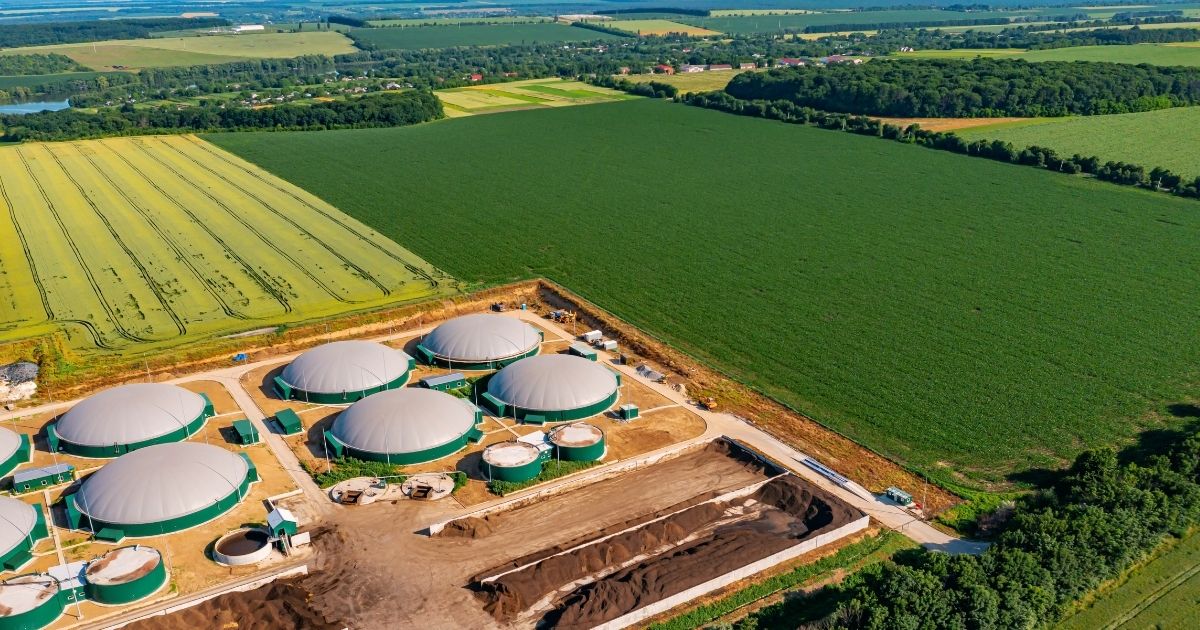
The waste sector, included in the second phase of the SBCE (2029), represents a concrete opportunity for convergence between sanitation, solid waste management, and energy generation. Biodigesters at landfills and wastewater treatment plants produce biogas which, when captured, prevents methane emissions, a gas with a global warming potential far greater than CO₂. Companies already operating this infrastructure can position themselves ahead of the regulated market by using voluntary market credits as both a learning platform and a revenue source.
The inclusion of the power sector in 2029 is the most significant signal for generators and distributors. Fossil fuel thermal plants, which still account for a relevant share of generation during periods of hydrological scarcity, will be affected. Renewable sources with near-zero emissions will hold a structural advantage within the allowance system. For companies such as Eva Energia, active in clean energy trading, this regulatory environment reinforces the competitive positioning of intrinsically low-emission sources.
The deadline the market needs to monitor
The proposal will be reviewed by the SBCE Permanent Technical Advisory Committee, composed of representatives from government, industry, academia, and civil society. After this stage, the text is expected to undergo public consultation in July. The government’s expectation is to publish the final regulation still in 2026, with implementation beginning in 2027.
The timeline is ambitious, and there are risks of delay. Brazil’s history of regulatory setbacks is well known: auctions postponed beyond schedule, decrees remaining in public consultation for months, committees debating without convergence. The question for investors is not only “when will the SBCE become operational?” but also “what is the cost of failing to prepare in the meantime?”
The answer depends on the sector. For oil and gas, the cost of early preparation is low compared to the risk of future liabilities. For waste and energy, the window for positioning remains open, and it may close faster than it appears.

Conclusion
Brazil took two years to transform its carbon market law into something operational. The sectoral proposal released in May 2026 is the most concrete step in that journey so far. It does not end the debate, the public consultation in July, final regulation in December, and the start of emissions reporting in 2027 are all major inflection points. But it changes the tone of the conversation: from “when is this going to happen?” to “what do I need to do before it does?”
For investors, the message is clear: carbon regulatory risk is no longer hypothetical in Brazil. It now has sectors, dates, and a dedicated secretariat. Companies that prepare in advance, whether through emissions inventories or projects capable of generating verified credits, will be better positioned once the system becomes fully operational.
Brazil’s regulated carbon market is still under construction. But the work has truly begun.