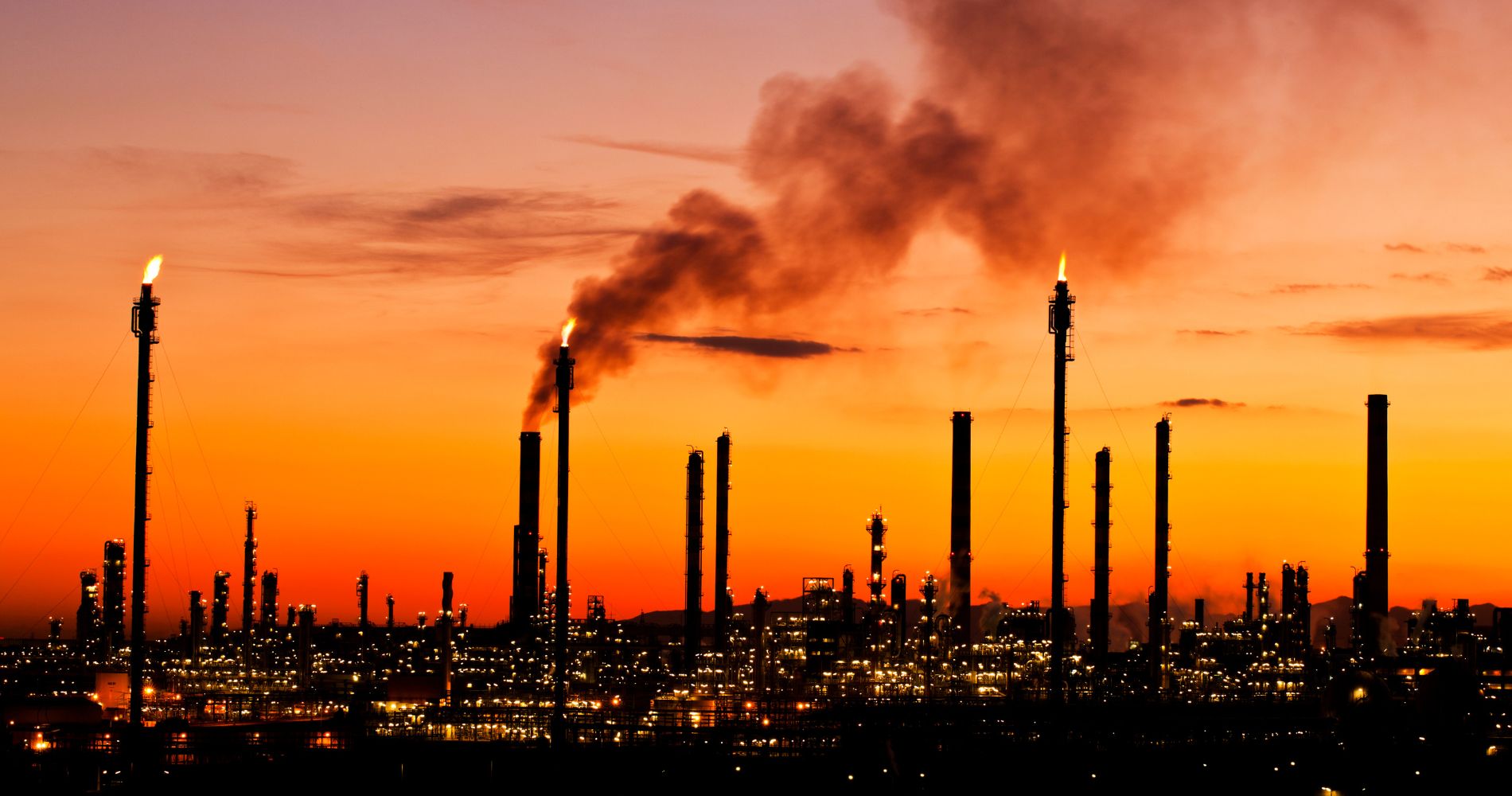
In 2026, the Intergovernmental Panel on Climate Change (IPCC) continues to serve as the scientific compass guiding humanity on its climate journey. This article explores the alarming CO2 emissions records of 2025, projections for 2026, and the IPCC’s ongoing efforts to produce new reports aimed at addressing climate change and supporting urban adaptation.
The year 2026 unfolds under the shadow of an increasingly urgent climate warning. The Intergovernmental Panel on Climate Change (IPCC), the world’s leading scientific authority on the subject, continues its mission to provide comprehensive assessments of the state of the climate, its causes, impacts, and response options. However, the latest data reveal a troubling trajectory, with record-breaking emissions and greenhouse gas concentrations underscoring the need for more ambitious and immediate climate action.
Alarming Records: The Surge in Emissions in 2025
The year 2025 marked a critical milestone in recent climate history. Global carbon dioxide (CO2) emissions from fossil fuel combustion reached an unprecedented level, totaling 38.1 billion metric tons. This record, driven by increased use of coal, oil, and gas, comes despite global decarbonization efforts and the commitments made under the Paris Agreement.
At the same time, atmospheric CO2 concentrations reached alarming levels. In June 2025, the threshold of 430 parts per million (ppm) was surpassed — a historic record that underscores the intensification of the greenhouse effect and global warming. For 2026, the UK’s Met Office projects an additional increase of 2.37 ppm in CO2 concentration, indicating that the upward trend continues.
These figures are not mere statistics; they represent the materialization of the climate risks the IPCC has warned about for decades. Rising global temperatures, the intensification of extreme weather events, and threats to biodiversity are direct consequences of this escalation in emissions. The urgency of a coordinated global response has never been clearer.

The IPCC’s Ongoing Work: Science in Service of Action
Amid this challenging landscape, the IPCC continues its essential work of synthesizing scientific knowledge. In 2026, the organization is actively preparing new reports that promise to deepen understanding of critical aspects of climate change and strategies to address it.
Among the documents currently in development are the Special Report on Climate Change and Cities, scheduled for March 2027, and the Methodology Reports on CO2 Removal Technologies, also expected in 2027. The cities report is particularly significant, as it will address the challenges and opportunities for climate adaptation and mitigation in urban environments, where a large share of the world’s population resides and where vulnerability to extreme events is high.
The methodology reports on CO2 removal are equally crucial, as they will assess the potential and feasibility of technologies designed to remove carbon dioxide from the atmosphere, such as carbon capture and storage (CCS) and nature-based solutions. These technologies are viewed as important — though complementary — components of broader emission reduction efforts.
The IPCC’s most recent major synthesis report, AR6 (Sixth Assessment Report), was published in 2023, consolidating the latest scientific knowledge on climate change and its implications. IPCC reports serve as the foundation for international climate negotiations and public policymaking worldwide, providing a robust evidence base for decision-making.
The Road Ahead: Emissions Reductions and Adaptation
Despite record-high emissions, the international community continues to pursue solutions. Drastic reductions in greenhouse gas emissions remain the top priority, requiring an accelerated transition to clean energy sources, improvements in energy efficiency, and shifts in consumption and production patterns. At the same time, adapting to the unavoidable impacts of climate change is becoming increasingly vital.
The Global Risks Report 2026, released by the World Economic Forum (WEF), has renewed warnings about major global risks, many of which are interconnected with climate change and its socioeconomic impacts 6 . This reinforces the need for risk management strategies that integrate environmental, social, and governance (ESG) dimensions into corporate and governmental decision-making.
International cooperation, climate finance, and technology transfer are essential elements in supporting developing countries in their mitigation and adaptation efforts. The implementation of robust policies, such as carbon pricing and the development of carbon markets, also plays a critical role in creating incentives for decarbonization.
The year 2026 is therefore both a moment for reflection and a call to action. IPCC data and emissions trends serve as a stark reminder of the urgency of the climate crisis. Science provides the diagnosis and the tools; it is up to global society — through its governments, businesses, and citizens — to implement the solutions needed to build a more resilient and sustainable future.