As the world becomes more aware of the environmental and social impacts of its actions, the Brazilian logistics sector is at the forefront of adopting ESG (Environmental, Social, and Governance) practices. This article addresses the innovations and challenges faced by the sector, with a special look at the contribution of sustainable initiatives such as the use of biomethane.
Today, December 1st, Brazil began its term as president of the G20, the influential group that brings together the nineteen main global economies, in addition to the European Union and the African Union. This period of leadership, which will last until November 30, 2024, marks the first time that the country has held such a position. During this year, Brazil's priority focus is to promote the transition to sustainable energy, drive changes in global governance and redouble efforts to combat inequality and hunger.
In 2023, energy transition and ESG practices have become central. Climate changes intensify extreme phenomena, demanding actions like decarbonization. CFOs, previously focused only on finances, are now pivotal in the transition, assessing emissions and energy efficiency. Brazil invests in renewable energies but faces regulatory challenges. Green hydrogen emerges as a solution, with Brazil poised to lead its production. Transition and ESG practices are imperative for a sustainable future.
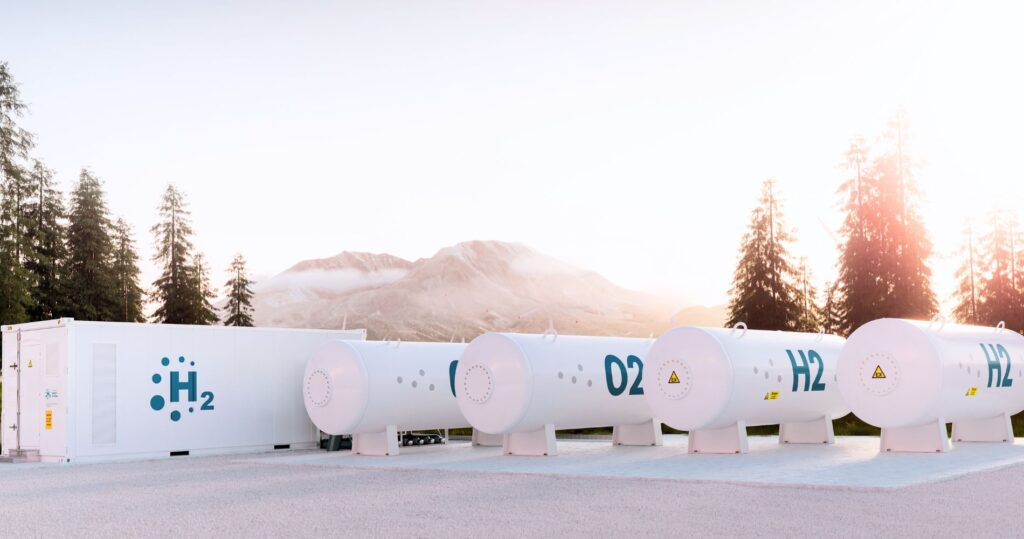
Hydrogen, the most abundant element in the universe, promises to revolutionize the energy sector with its "colored" variants, such as gray, blue and green. Brazil innovates with "green and yellow" hydrogen, derived from ethanol. While there are challenges such as transportation, the opportunities are vast, from job creation to global strategic positioning. Hydrogen symbolizes hope for a cleaner, more sustainable future.
The Earth faces significant environmental challenges, from polluting the oceans to destroying forests. In response, the global community mobilized, resulting in the Paris Agreement in 2015 aimed at limiting global warming. COP 27 reinforced the urgency of climate action, highlighting the need for food security and cuts in gas emissions.