The start of the biomethane mandate in 2026 marks the entry of renewable gas into Brazilian climate policy in a structured way, with mandatory natural gas decarbonization targets and specific traceability instruments. The contribution is still modest in percentage terms, but the year inaugurates a regulated market that includes climate goals, waste use and energy security in the same agenda.
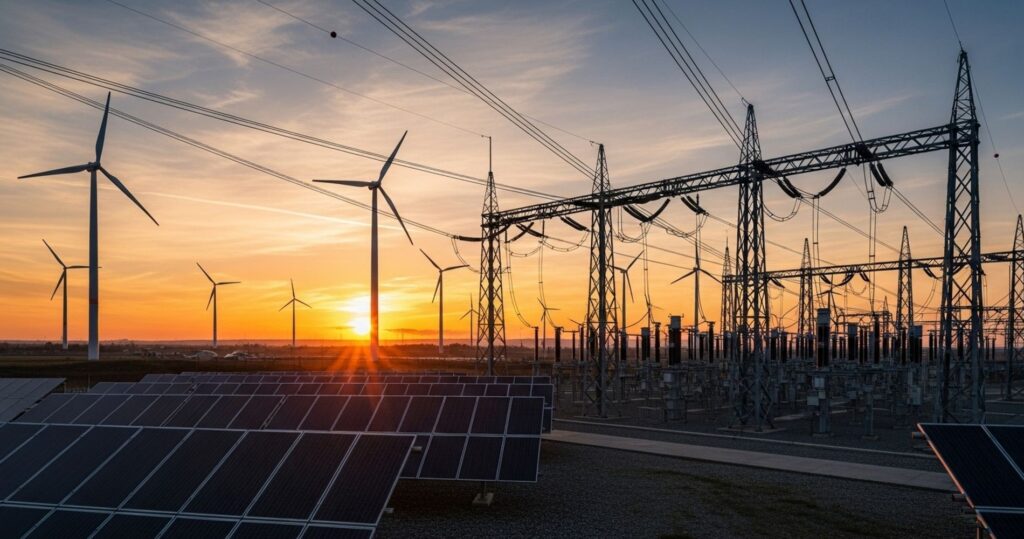
Talking about the energy transition is no longer a prospective exercise; it has become a concrete discussion about economic competitiveness, energy security, and geopolitical positioning. A topic that little more than a decade ago revolved mainly around academic reports and multilateral forums is now at the center of decisions by governments, companies, investors, and regulatory bodies.
Brazil is experiencing one of the most decisive moments in its energy history. With an electricity mix already largely renewable—about 88% of generation coming from clean sources, according to data from the Energy Research Company (EPE)—the country now faces a new challenge: financing the sustainable expansion of its infrastructure, diversifying its energy matrix, and ensuring energy security amid the global transition to a low-carbon economy.
In 2025, the ESG agenda has consolidated itself as the central force that redefines the Brazilian electricity sector, moving from discourse to practice and becoming a decisive criterion for investments, regulation and risk management. The transformation is led by the Environmental pillar, which has evolved from simple decarbonization to an urgent concern with the climate resilience of infrastructure.