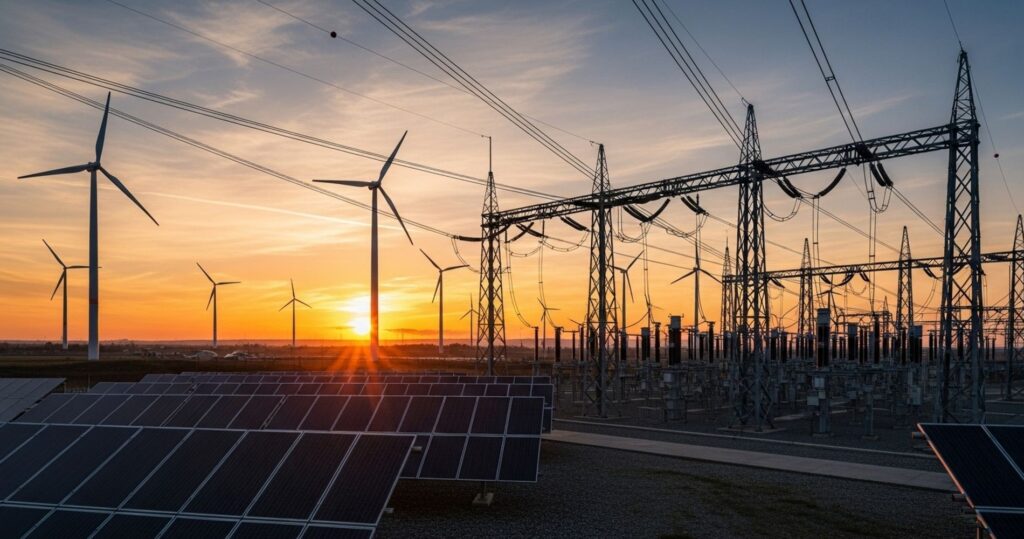
Talking about the energy transition is no longer a prospective exercise; it has become a concrete discussion about economic competitiveness, energy security, and geopolitical positioning. A topic that little more than a decade ago revolved mainly around academic reports and multilateral forums is now at the center of decisions by governments, companies, investors, and regulatory bodies.
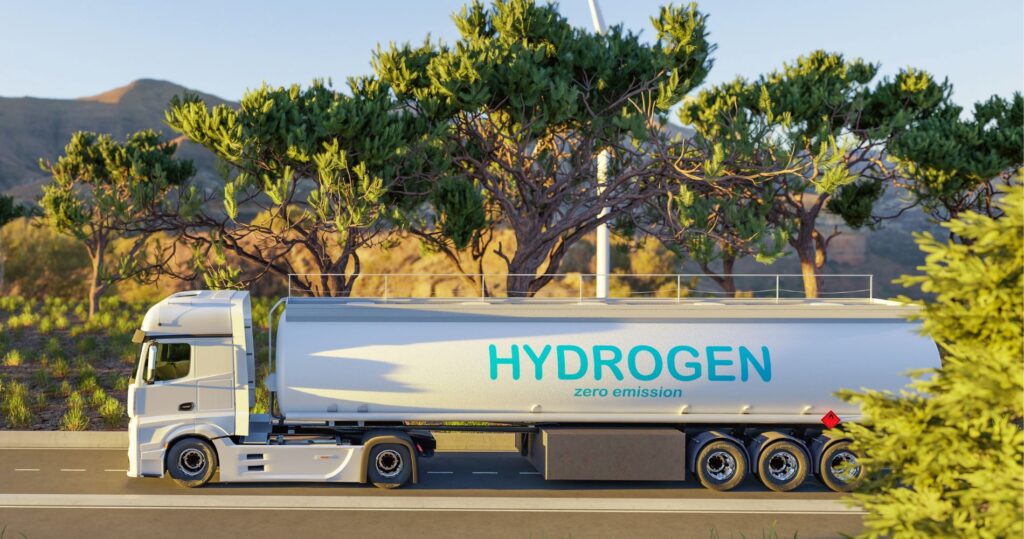
With more than 1,700 clean hydrogen projects mapped worldwide and demand projections requiring annual investments exceeding US$1 trillion starting in 2030, according to the International Energy Agency (IEA), the question is no longer whether green hydrogen will become a major commodity, but who will produce and export it.
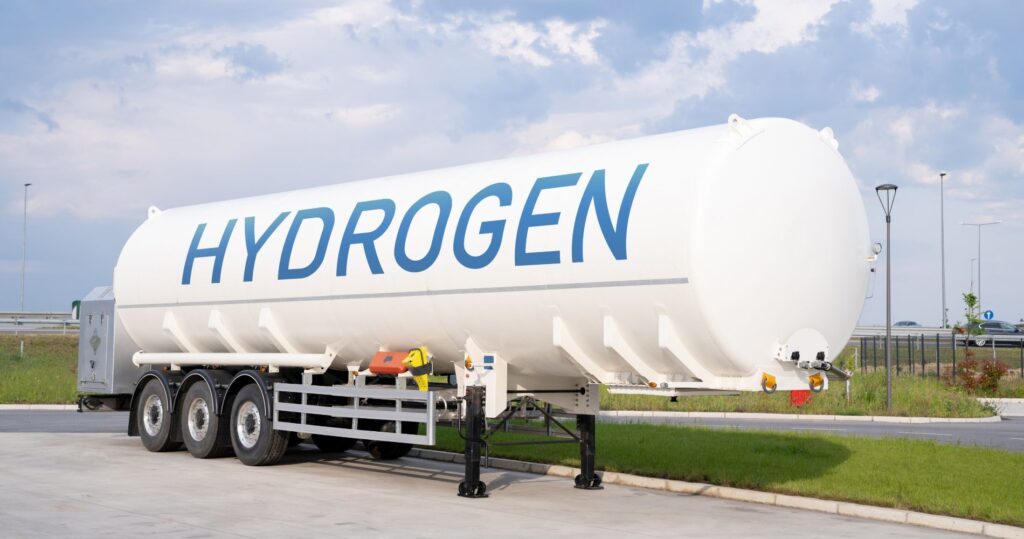
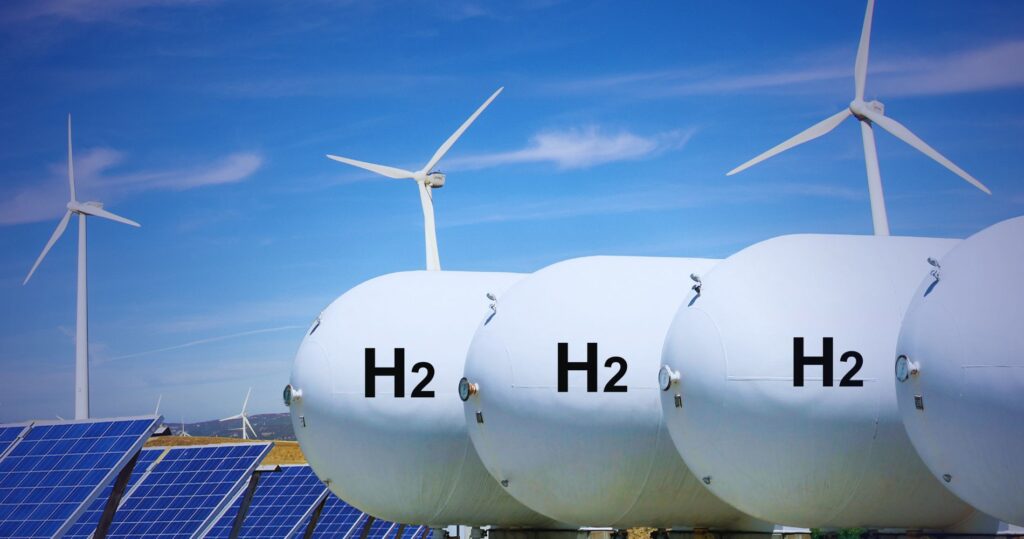
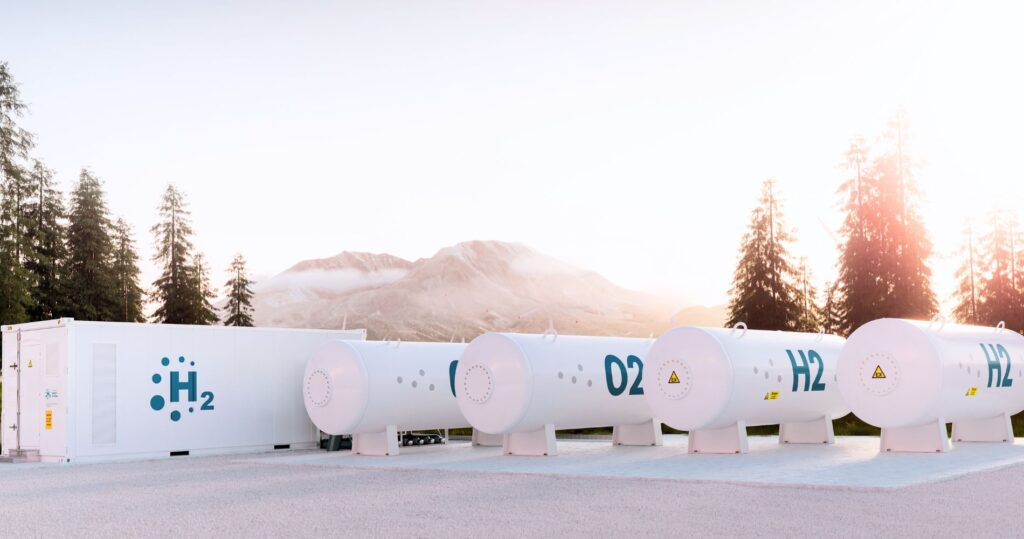
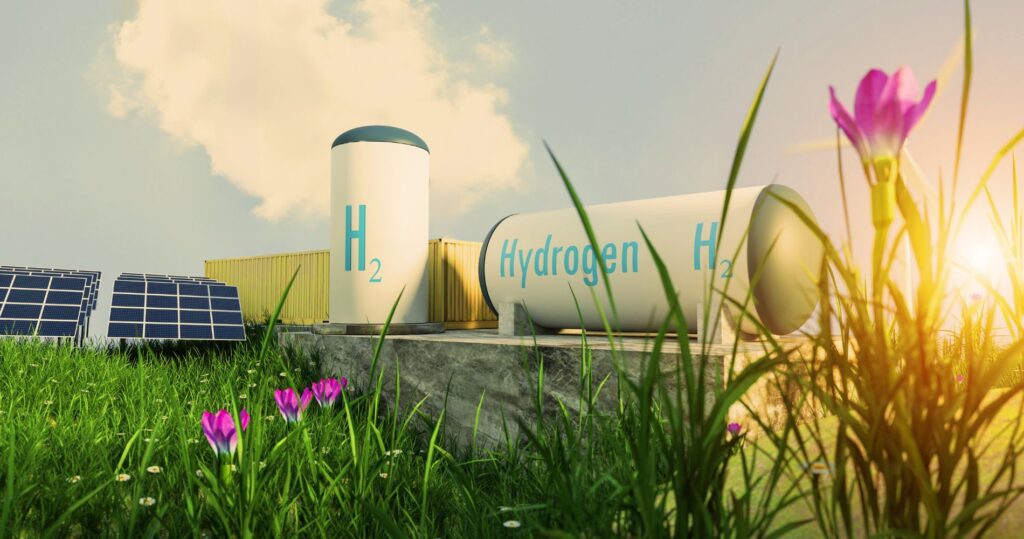
Green hydrogen is a form of energy obtained from the electrolysis of water using electricity from renewable sources such as solar and wind. This type of hydrogen is considered essential for the energy transition as it does not emit greenhouse gases during production. Its importance in the energy matrix lies in its potential to replace […]
Green hydrogen emerges as an essential protagonist in the transition to a low-carbon economy. Its production, through the electrolysis of water using renewable energy, offers a promising path to reducing greenhouse gas emissions, especially in industrial and transport sectors where direct electrification is not viable.
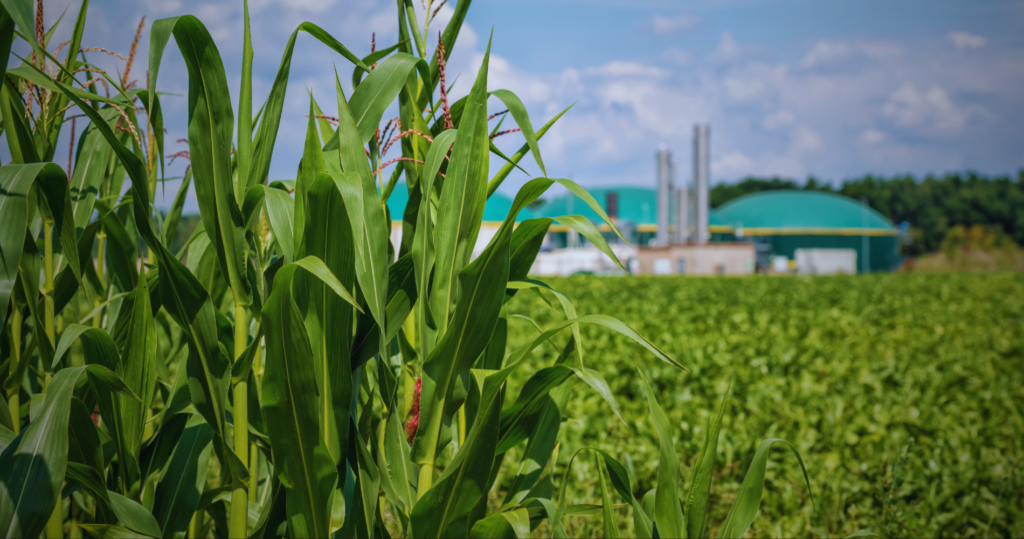
Hydrogen, the most abundant element in the universe, promises to revolutionize the energy sector with its "colored" variants, such as gray, blue and green. Brazil innovates with "green and yellow" hydrogen, derived from ethanol. While there are challenges such as transportation, the opportunities are vast, from job creation to global strategic positioning. Hydrogen symbolizes hope for a cleaner, more sustainable future.
This post explores the potential of green hydrogen as a renewable and sustainable energy source. It discusses its significance in decarbonizing the global economy, especially in sectors that are hard to electrify. Moreover, it underscores Brazil's promising role in this market due to its significant capacity for renewable energy generation.
- 1
- 2