Brazil enters the final months of 2026 facing a climate outlook that warrants close attention from the energy sector. The third 2026–2027 El Niño Panel Bulletin, released in early September by a group of federal institutions, significantly increased the probability that the phenomenon will intensify during the spring. According to the latest forecasts compiled in the document, there is more than a 90% chance that the September-to-November period will be marked by an El Niño classified as very strong, while climate models indicate that the phenomenon is likely to persist at least through early 2027.
The meteorological outlook would be relevant in its own right. For Brazil’s power sector, however, its importance is even greater because climate conditions directly affect several dimensions of system operations. The volume and distribution of rainfall influence the river inflows reaching hydropower plants and the replenishment of reservoirs, while higher temperatures can increase electricity consumption, particularly during periods of heavy air-conditioning use. Extreme events can also affect transmission lines, distribution networks, logistical access routes and other infrastructure required to maintain reliable electricity supply.
For this reason, the discussion surrounding El Niño goes beyond the question of how much rain is expected to fall. It once again highlights an issue that is gaining increasing prominence on the energy agenda: a low-emission power system must also be capable of operating under adverse climate conditions.
The distinction may seem straightforward, but it is fundamental. The energy transition is usually presented primarily from the perspective of climate change mitigation, through the expansion of renewable energy, electrification and the replacement of fossil fuels. As the physical impacts of climate change become increasingly relevant, however, another dimension is gaining importance. Infrastructure designed to operate for decades must take into account higher temperatures, changes in precipitation patterns, prolonged droughts, more severe flooding and weather events that may occur outside the historical patterns traditionally used for planning.
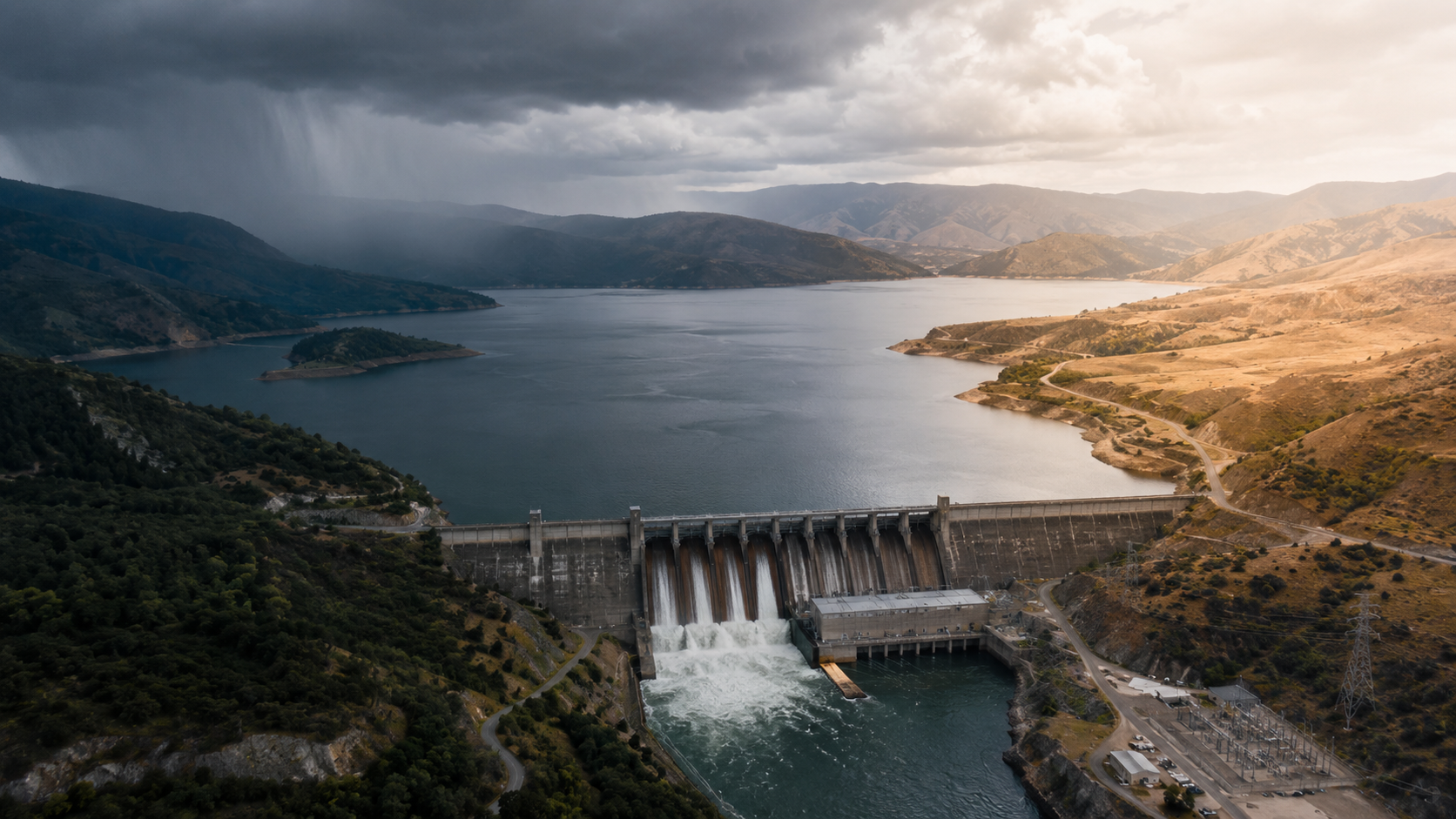
In Brazil, this discussion has particular characteristics. The country already has one of the most renewable electricity mixes in the world and a vast hydropower fleet, which for decades has provided low-emission electricity as well as significant system-balancing capacity. At the same time, this longstanding relationship between water and electricity means that major changes in hydrological conditions can have consequences extending far beyond water resource management.
The new El Niño does not mean that Brazil is facing an energy crisis. The data currently available do not support such a conclusion. But the expected intensification of the phenomenon reinforces the need for preventive planning precisely because energy security is built before critical situations arise.
What the new bulletin shows for the coming months
The third El Niño Panel Bulletin brings together information from the National Institute of Meteorology, the National Institute for Space Research, the National Water and Basic Sanitation Agency, Cemaden, the Geological Survey of Brazil, the National Secretariat for Civil Protection and Defense and Censipam. According to the document, El Niño conditions were confirmed in June, and climate models subsequently began indicating a high probability that the phenomenon would intensify throughout the spring and summer.
For the September-to-November period, projections indicate a probability of more than 90% of a very strong event. Under this classification, sea surface temperature anomalies in the Equatorial Pacific may exceed 2°C. The forecasts also indicate a 100% probability that El Niño will persist at least through early 2027.
The expected effects will not be evenly distributed across Brazil. The outlook presented by federal agencies indicates above-average rainfall across areas of the South, particularly Rio Grande do Sul, as well as in parts of São Paulo and Mato Grosso do Sul. Moving toward the central and northern regions of the country, the trend reverses. The North and Northeast are expected to experience a drier quarter, while parts of Mato Grosso, Tocantins, northern Goiás, Minas Gerais and Espírito Santo also face a higher probability of rainfall below historical averages.
Temperatures, meanwhile, are expected to remain above average across virtually the entire country, although cold air masses may produce occasional temperature declines during September. The combination of higher temperatures and lower rainfall across central and northern Brazil is likely to deepen water deficits and may delay the recovery of soil moisture in areas that normally begin entering the rainy season during this period.
This uneven distribution of rainfall is particularly important for the energy sector. High rainfall volumes in the South do not automatically translate into an equivalent improvement for the power system as a whole, just as below-average rainfall in a particular region does not necessarily result in immediate shortages. Each river basin has its own characteristics, as do the reservoirs and power plants that make up Brazil’s National Interconnected System.
It is precisely this diversity that makes hydrometeorological monitoring so important.
Reservoir conditions are favorable, but the outlook requires close monitoring
The latest data from the National Water and Basic Sanitation Agency help put the situation into perspective. On August 26, reservoirs in the National Interconnected System were holding 69.5% of their usable storage capacity. Although the level had declined by 5.7 percentage points compared with July, it was still the second-highest level recorded for that date since 2015.
This is important because it helps prevent an alarmist interpretation of the situation. Brazil is not entering the period of El Niño intensification with exceptionally low reservoir levels. In several major river basins, initial conditions are relatively comfortable.
On the São Francisco River, for example, Três Marias was at 87.3% of usable storage capacity at the end of August, while Sobradinho stood at 73%. Despite the decline recorded during the month, the volume at Três Marias was the highest recorded for that date since 1993. In the South, reservoirs with storage regulation capacity were at 80.9%, although it is important to remember that the subsystem has its own particular characteristics: many of the region’s hydropower plants operate without large storage reservoirs, limiting their ability to retain additional water volumes over long periods.
At the same time, there are signs that warrant attention. ANA reported worsening drought conditions in parts of the Northeast and Southeast. In July, drought affected 89% of the Southeast, while in the Northeast the share of territory classified as experiencing moderate drought had increased significantly compared with July 2023. Conditions are different in the South, which is virtually drought-free and where attention is focused on the opposite risk: excessive rainfall and major flooding, particularly in Rio Grande do Sul.
The situation illustrates one of the central challenges for Brazilian energy planning under El Niño: the issue is not simply the total amount of water available in the country, but how that water is distributed among different river basins and over time.
Brazil’s National Interconnected System makes it possible to take advantage of some of this regional diversity. Electricity generated in one region can be transferred to another through transmission networks, while different generation sources can be combined according to their availability. Even so, physical transmission constraints, operational limitations at power plants, competing uses of water and basin-specific conditions mean that the country’s water availability cannot be treated as though Brazil had a single national reservoir.
This is why meteorological and hydrological forecasts are continuously incorporated into system operations.
The power sector had already been preparing for El Niño
The possibility of an intense event did not catch the electricity sector by surprise. Even before the September bulletin was published, Brazil’s National Electric System Operator and the Power Sector Monitoring Committee had been tracking climate conditions and assessing preventive measures.
The ONS created a dedicated section to monitor the 2026 El Niño and emphasizes that the phenomenon can influence precipitation, temperature, cloud cover and wind patterns across different regions, with potentially significant effects on the operation of the National Interconnected System.
In August, the Power Sector Monitoring Committee reported that it had been adopting preventive measures, including intensified monitoring of hydrometeorological conditions, conservation of water in strategic reservoirs, continuation of the Reservoir Recovery Plan and coordination among those responsible for generation, transmission and distribution.
Data available at the time were already showing pronounced regional asymmetry. In July, Natural Energy Inflow, an indicator used to represent the amount of electricity that could be generated from the river flows reaching hydropower plants, stood at 94% of the historical average in the Southeast and Midwest, 62% in the Northeast and 64% in the North. In the South, it reached 260% of the historical average.
This uneven pattern illustrates an important point. El Niño does not produce a single uniform effect across Brazil. Its consequences vary by region and also from one El Niño event to another. System operations therefore cannot simply rely on the experience of previous episodes.
For the power sector, this means continuously working with multiple scenarios.
Brazil’s experience with adverse hydrological periods has already demonstrated the value of maintaining safety margins, monitoring reservoir conditions and keeping complementary resources available. In July, amid expectations of El Niño in the second half of the year, the Power Sector Monitoring Committee approved the early activation of capacity reserve contracts that would add approximately 1.8 GW to the system beginning in September. The measure was intended to strengthen supply reliability in an environment of greater climate uncertainty.
The move is significant because it shows that resilience is not simply about reacting to a potential lack of rainfall. It involves anticipating risks and expanding operational alternatives before the system comes under pressure.
Higher temperatures also change electricity demand patterns
When El Niño and energy are discussed, attention often focuses on reservoirs. This relationship is understandable in a country with extensive hydropower capacity, but it represents only half of the issue. Climate also affects the demand side.
Higher temperatures tend to increase the use of cooling systems in homes, offices, commercial buildings and industrial facilities. When heat waves affect large regions simultaneously, this increase can generate significant peaks in electricity demand.
Brazil’s Energy Research Office has already incorporated this relationship into its analyses of climate change. In a study developed with ONS and the Electric Energy Trading Chamber, the institution highlighted that heat waves can generate load peaks precisely because of increased cooling demand. EPE also notes that assessing the influence of climate conditions on electricity demand is essential to making both expansion and operational planning more resilient.
The combination of lower water availability in certain regions and higher electricity consumption driven by heat is more relevant to planning than either factor considered in isolation.
An electricity system must meet demand at the moment it occurs. Therefore, even when sufficient energy is available over the course of a month or year, rapid changes in consumption can create capacity challenges at certain times of day.
This issue acquires an additional dimension as the Brazilian economy becomes increasingly electrified. Electric vehicles, new industrial processes, data centers and other loads are expected to increase electricity’s share of final energy consumption. This reinforces the importance of monitoring not only how much electricity the country will consume, but also how the shape of demand may change under higher temperatures.
The Ten-Year Energy Expansion Plan 2035 already projects continued growth in final energy consumption and electricity demand over the next decade. At the same time, the document has incorporated climate change adaptation and greater energy system resilience in a more structured way.
This inclusion reflects a shift in perspective. Climate is no longer treated simply as an external variable affecting the energy sector and is instead becoming part of the assumptions underlying energy planning itself.
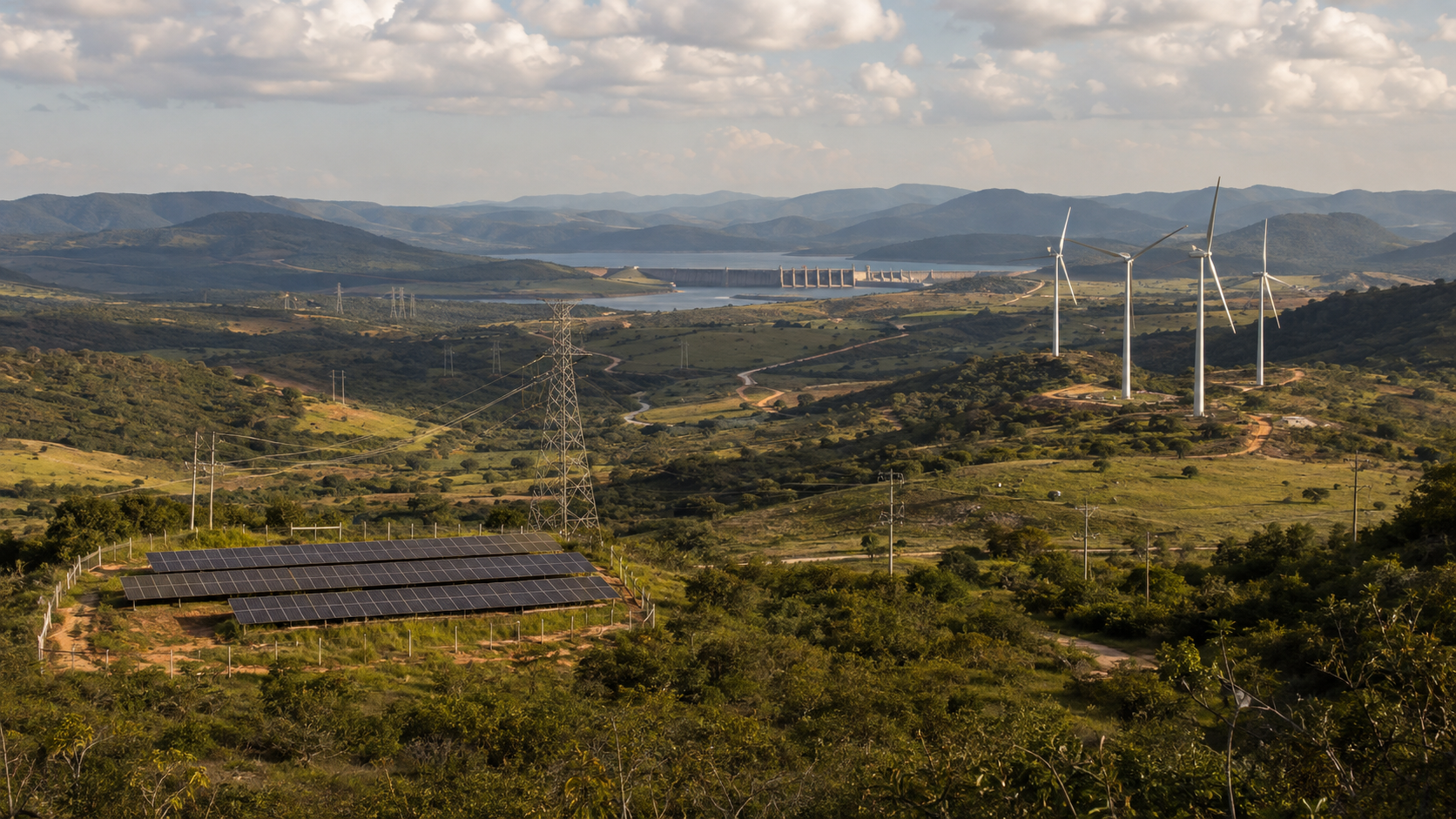
A diversified power mix reduces dependence on any single climate condition
The growth of solar and wind generation has significantly changed Brazil’s electricity mix in recent years. This expansion is generally analyzed through the lens of the energy transition and emissions reduction, but it also has an energy security dimension.
A more diversified power mix can reduce the system’s exposure to the performance of any single generation source.
When hydrological conditions are unfavorable in certain basins, solar, wind, biomass, biogas and other sources can contribute to preserving water in hydropower reservoirs. In other situations, the significant flexibility of hydropower plants can help integrate variable solar and wind generation.
This complementarity, however, is not automatic.
Climate events can also affect different generation sources in different ways. Changes in wind patterns affect wind power output. Cloud cover alters solar generation. High temperatures can reduce the performance of certain equipment while simultaneously increasing electricity consumption. Droughts and floods can affect not only power plants, but also access routes and transmission infrastructure.
Diversifying the power mix is therefore part of a resilience strategy, but it must be accompanied by adequate networks, operational capability, energy storage, planning and mechanisms that allow each resource to be used when it delivers the greatest value to the system.
It is in this context that energy storage is beginning to gain relevance in Brazil. Batteries can absorb electricity during periods of greater supply and return it to the system several hours later, helping address differences between the timing of electricity production and consumption. Brazil is preparing its first auctions specifically dedicated to energy storage, signaling that the resource is beginning to move beyond isolated projects and assume a more structured role in energy planning.
Storage cannot solve hydrological risk on its own, nor does it eliminate the need for generation, networks or reservoirs. Its importance lies in adding another layer of operational capability.
The same reasoning applies to dispatchable renewable sources such as biomass and biogas. In certain configurations, they can produce electricity in a more controllable manner than solar and wind generation, complementing the system at specific times.
Energy security is increasingly likely to depend on this combination of resources.
Resilience also depends on transmission and distribution networks
The relationship between climate and the electricity sector does not end at power plants.
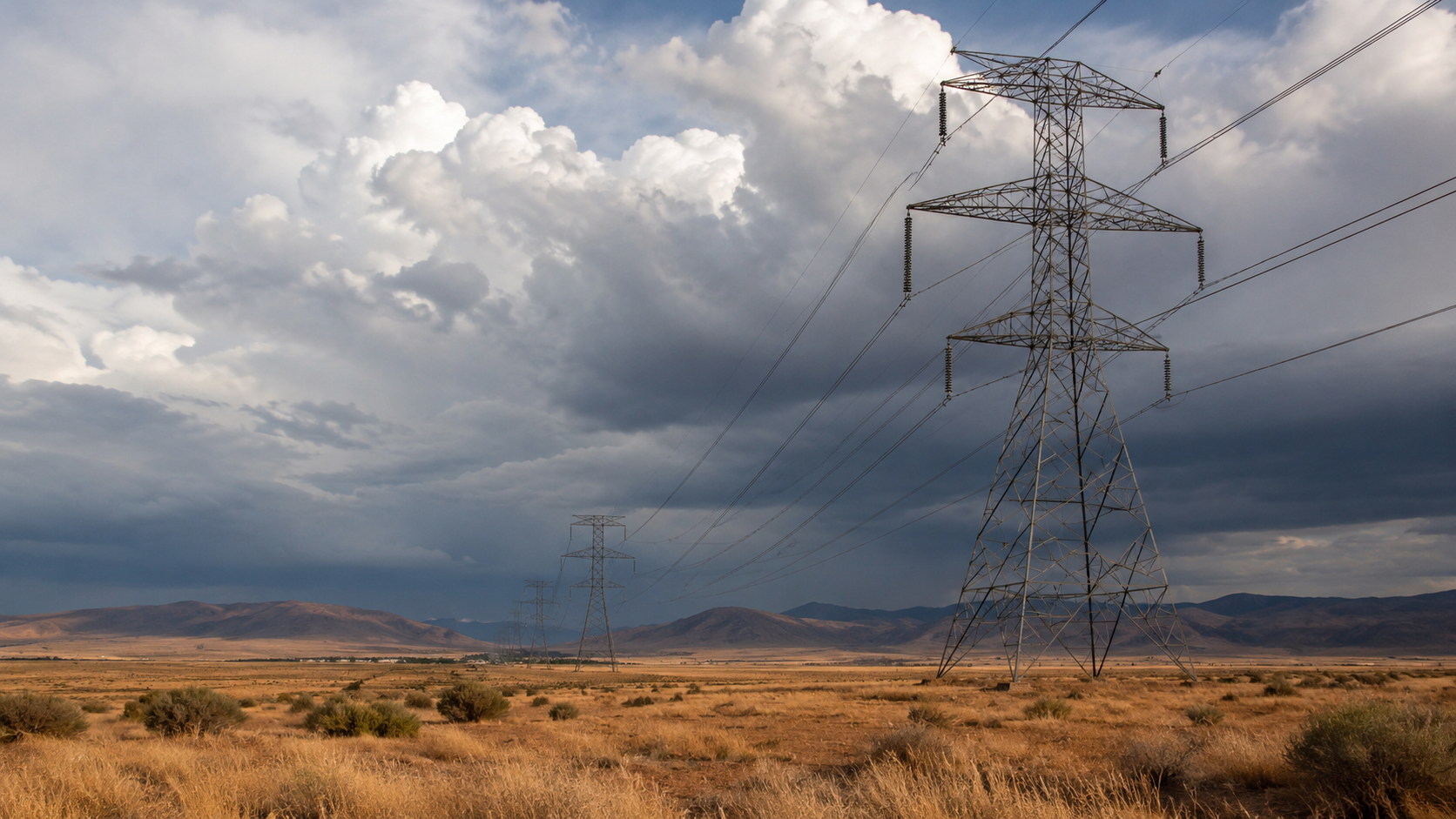
Transmission lines and distribution networks are directly exposed to winds, heavy rainfall, lightning, floods, landslides, wildfires and extreme temperatures. A power system can have sufficient generation capacity and still experience outages if the infrastructure responsible for transporting electricity is vulnerable.
Resilience therefore needs to be approached from a system-wide perspective.
Brazil’s Ministry of Mines and Energy has emphasized throughout 2026 the need to modernize networks, advance digitalization and prepare infrastructure to respond to technological and climate-related changes. The 2026 Strategic Electricity Agenda brings together preventive measures related to peak demand, minimum-load periods and system security, seeking to anticipate vulnerabilities under different operating scenarios.
This type of planning becomes even more important as extreme events cease to be treated as exceptional occurrences and instead become incorporated into risk scenarios.
Investments in redundancy, monitoring, automation, preventive maintenance and service restoration capabilities are likely to become increasingly important. Digitalization can enable faster detection of failures and more efficient operation, while transmission expansion increases the ability to use resources available in different regions.
Brazil’s continental scale can itself become an advantage when sufficient infrastructure exists to take advantage of the geographic diversity of both generation and climate conditions.
But that advantage depends on connectivity.
The energy transition must also become an adaptation strategy
There is a broader connection between the new El Niño bulletin and the international climate agenda.
From September 7 to 11, Baku, Azerbaijan, will host the fourth Climate Week of 2026, organized under the United Nations Framework Convention on Climate Change. The event will focus on implementing climate decisions, mobilizing investment and translating Nationally Determined Contributions and National Adaptation Plans into concrete results. The 2026 Climate Weeks have also been structured to maintain momentum in international negotiations leading up to COP31.
The proximity of the two developments is editorially relevant because it helps illustrate how mitigation and adaptation are increasingly converging.
The energy transition emerged largely from the need to reduce greenhouse gas emissions. That objective remains central. But energy assets being built today will need to operate for decades in a climate that is already changing.
Planning a new power plant, transmission line, substation or distribution network without considering future climate risks creates the possibility of building technically modern infrastructure for conditions that may no longer reflect reality during the asset’s operating life.
This shift in perspective does not diminish the importance of decarbonization. It broadens it.
A sustainable power system needs to emit less, but it must also be capable of withstanding droughts, floods, heat and other extreme events without compromising electricity supply to the population and the economy.
This connection is particularly important for Brazil. An electricity mix with more than 85% renewable generation throughout the outlook projected by the PDE 2035 represents a major climate advantage, but its security will depend on the country’s ability to manage resources with different characteristics and different levels of exposure to natural conditions.
There is no contradiction between increasing the share of renewable energy and strengthening energy security. The challenge is ensuring that both strategies evolve together.
El Niño reinforces a shift that was already underway
The third El Niño Panel Bulletin does not signal an energy crisis. Current reservoir conditions are better than those observed in several recent years, and the Brazilian power system has monitoring mechanisms and resources that allow it to manage a range of scenarios.
What the bulletin does is increase the level of uncertainty for the months ahead.
The prospect of above-average rainfall in the South, below-average precipitation across much of central and northern Brazil, elevated temperatures and the possibility that the phenomenon could persist into 2027 requires attention because these factors can occur simultaneously and affect different parts of the power system in different ways.
For energy planning, the main lesson may lie precisely there.
For decades, many of the sector’s decisions have been based on historical data series used to estimate rainfall, river inflows, electricity demand and resource availability. These references remain fundamental, but a more unstable climate increases the importance of scenario analysis, continuous monitoring and adaptive capacity.
Brazil has already begun incorporating this perspective. The PDE 2035 includes climate adaptation and resilience among its structural themes. EPE, ONS and CCEE are studying the impacts of climate conditions on electricity demand. ONS is specifically monitoring the effects of El Niño on system operations. The Power Sector Monitoring Committee adopted preventive measures even before the arrival of the months requiring the greatest attention. ANA continues to closely monitor the country’s major river basins and reservoirs.
This coordination is likely to become increasingly important.
Brazil’s energy transition will continue to require new renewable generation, transmission networks, expansion of distributed generation, storage and technologies capable of providing capacity and flexibility to the system. But the value of these investments will not be measured solely by the amount of clean electricity they can generate.
It will also lie in their ability to make the system less vulnerable.
A very strong El Niño is a temporary phenomenon. The question it raises for the power sector, however, is permanent. How can reliable energy infrastructure be planned in an environment where the climate conditions historically used as a reference may become less predictable?
The answer involves diversification, regional integration, monitoring, reservoir conservation, network expansion, storage, efficiency, demand management and planning capable of working with multiple scenarios at the same time.
In this sense, resilience is beginning to occupy a place in the energy transition similar to the one decarbonization has gained in recent years. Producing electricity more cleanly is no longer enough. It is also necessary to ensure that electricity remains available when climate conditions differ from those the system has historically been designed to handle.
The new El Niño makes this discussion more urgent, but it did not create it. The issue was already present in the transformation of Brazil’s power sector and is likely to become increasingly important as the electricity mix becomes more diversified, the economy more electrified and the effects of climate change become part of investment decisions.
The challenge for Brazilian energy planning, therefore, is no longer simply to build a low-emission electricity mix. It is to build a low-emission system that can also operate securely in a more uncertain climate.