Biogas and biomethane enter 2026 with a surge in supply, a new regulatory framework, and major projects in the spotlight in Brazil
With the growth of plants, mandatory decarbonization targets, and São Paulo aiming for 700 thousand m³/day, the sector consolidates itself as a pillar of the energy transition and gains prominence in events and auctions.
Biogas and biomethane begin 2026 in an unprecedented position within Brazil’s energy mix. After years of being treated as recurring promises, the two vectors crossed an important threshold in 2024 and 2025, combining a significant increase in the number of plants, new mandatory decarbonization rules, regional expansion, and growing attention from investors and public policymakers.
According to data from the Brazilian Association of Piped Gas Distribution Companies (Abegás), the number of biogas production units for energy purposes in Brazil grew by 18% in 2024, reaching 1,633 registered plants. In the same period, biomethane supply entered an upward trajectory that could triple by the end of 2026, with projected growth of 107% in 2025 and 193% cumulatively through 2026.
Sector growth and figures
A report by Abegás and partner entities shows that Brazil’s biogas plant base is broad and heterogeneous, with units at landfills, sugarcane mills, rural properties, and food industries—many of which are still dedicated to self-consumption or local power generation. This universe is seen as a “reservoir” of potential for conversion to biomethane as the new regulatory framework and decarbonization targets come into force.According to Abegás, installed biomethane production capacity already exceeds 700 thousand m³/day when considering plants authorized by the National Agency of Petroleum, Natural Gas and Biofuels (ANP), and could reach around 1.5 million m³/day in the first half of 2026 when projects in the authorization phase are included. When adding units dedicated to self-consumption and projects under development, associations such as Abiogás estimate that total technical potential approaches 8 million m³/day by the beginning of the next decade.This progress is connected to global discussions on methane and climate. Recent reports show that reducing methane emissions is one of the fastest ways to curb warming in the short term, reinforcing the appeal of solutions that convert organic waste and effluents into energy.
Regulatory framework and mandatory targets
One of the most important developments for 2026 is the entry into force of the biomethane policy linked to the Fuel of the Future program. According to reports by Abegás, natural gas producers and importers will face decarbonization targets starting in 2026, initially equivalent to 1% of supply and potentially reaching 10% by 2034.In practice, this means that part of the fossil gas marketed in the country will have to be replaced by biomethane or offset through Biomethane Guarantee of Origin Certificates (CGOBs). The Ministry of Mines and Energy proposed that CGOBs be the main instrument to prove compliance with the targets, creating a new certificate market linked to the renewable origin of gas.In October 2025, the MME indicated that the effective target for the first year of the mandate, in 2026, could be reduced to 0.25%, considering industry concerns over costs and supply availability, while maintaining the horizon of gradual expansion of the percentage. Even so, analyses by sector entities indicate that the mere existence of a mandate tends to accelerate investments by providing demand predictability for producers.For 2026, another awaited milestone is the issuance of the first CGOBs on a commercial scale, allowing biomethane plants to monetize the environmental attribute of their product and enabling distributors to demonstrate compliance with decarbonization targets. In addition, biomethane has been confirmed to participate in the 2026 Capacity Reserve Auction (LRCAP), expanding contracting possibilities on stable, long-term bases.
São Paulo at the forefront of biomethane
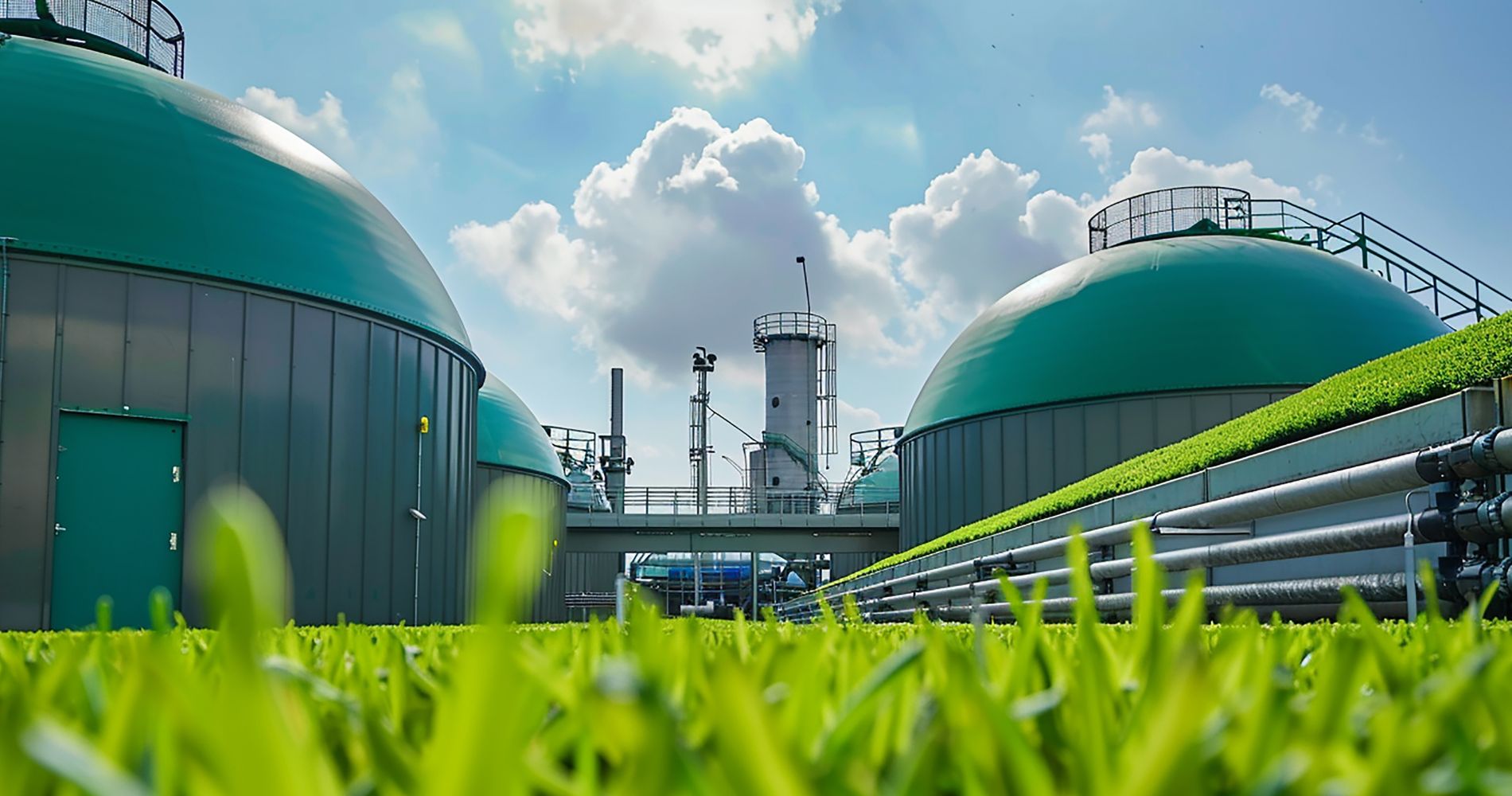
The state of São Paulo clearly illustrates the speed of the transformation underway. According to a report by PortalR3 and an official note from the Secretariat for Environment, Infrastructure and Logistics (Semil), the state currently has eight authorized biomethane production plants, responsible for around 500 thousand m³/day, and another seven units in the authorization process.Together, these plants could raise São Paulo’s installed capacity to approximately 757 thousand m³/day, enabling the state to surpass the mark of 700 thousand m³/day of effective biomethane production by December 2026. According to a study by Copersucar cited by Semil, São Paulo already accounts for 40% of the country’s installed biomethane capacity and 31% of expansion projects underway, with potential to reach 36 million m³/day in the long term.In this context, companies such as Gás Verde gain visibility as examples of large-scale landfill operations, producing biogas and biomethane on an industrial scale to supply piped gas distributors and industries. The performance of such companies demonstrates in practice how methane recovery from urban waste can be converted into revenue, greenhouse gas mitigation, and regional energy security.
EVA and the expansion of biogas in agriculture
In rural areas, the advance of biogas as an integrated solution for agricultural waste and industrial residues strengthens the feedstock base for biomethane. Cases such as EVA Energia show how projects structured on farms, cooperatives, and agribusiness facilities are able to transform environmental liabilities into energy assets, generating electricity, heat, and, progressively, renewable gas of suitable quality for vehicle use or grid injection.Webinars and events held in 2025, gathered on platforms such as Biogás e Energia, highlighted that the year’s “legacy” was placing biogas/biomethane at the center of the sustainable agriculture debate, integrating waste management, distributed generation, and the circular economy. This movement is expected to intensify in 2026, with more projects seeking to upgrade biogas to biomethane, especially in states with strong agricultural residue production, swine farming, and sugarcane cultivation.
Events and the sector agenda in 2026
The 2026 calendar also helps consolidate the topic in public opinion and the business agenda. From April 14 to 16, Foz do Iguaçu (PR) will host the 8th Southern Brazilian Biogas and Biomethane Forum, which, according to a report by the O Presente Rural portal, highlights the “protagonism” of biomethane in the national debate, bringing together producers, distributors, regulators, and researchers.The event is expected to deepen discussions on how the biomethane mandate will operate, the issuance and trading of CGOBs, competitiveness vis-à-vis fossil gas, and opportunities for integration with the power sector, whether through distributed generation or specific auctions. At the same time, regional and sectoral meetings reinforce the message that biogas and biomethane are moving beyond niche status to become a structural part of the country’s decarbonization strategy.From the perspective of companies operating in energy infrastructure and low-carbon projects, 2026 represents the shift from discourse to scale. In internal analyses, EPP sees biogas and biomethane as essential elements to balance the energy transition, offering firm and flexible solutions for sectors where direct electrification faces technical or economic limits.
The assessment is that the combination of a decarbonization mandate, CGOBs, participation in capacity auctions, and expansion of the plant base creates a more predictable business environment for new investments, provided regulation is implemented with clarity and stability. In the company’s strategic view, cases such as Gás Verde in landfills and EVA in agriculture demonstrate the potential to combine waste management, energy security, and value creation at a regional scale—something that is likely to multiply in 2026 and the years ahead.
For EPP, the challenge now is to connect this new regulatory framework with appropriate financing, replicable business models, and smart integration with other renewable sources, so that biomethane is not merely a “complement,” but a protagonist in value chains such as heavy transport, industry, and agribusiness.