Between comparative advantage, regulatory challenges, and the race for leadership in clean energy
Talking about the energy transition is no longer a prospective exercise; it has become a concrete discussion about economic competitiveness, energy security, and geopolitical positioning. A topic that little more than a decade ago revolved mainly around academic reports and multilateral forums is now at the center of decisions by governments, companies, investors, and regulatory bodies. In Brazil, this discussion takes on even greater relevance in light of an electricity matrix that is largely renewable, but which, on its own, does not guarantee automatic leadership in the low-carbon economy now under construction.
The energy transition can be defined as the process of structural transformation of energy production, distribution, and consumption systems, with the goal of reducing greenhouse gas emissions, increasing energy efficiency, and replacing fossil fuels with renewable and low-carbon alternatives. It is a systemic change involving infrastructure, technology, regulation, financing, and, above all, a long-term strategic vision.
Successive reports from the IPCC make it clear that the energy sector accounts for around three quarters of global greenhouse gas emissions. Without a profound transformation in how the world produces and consumes energy, the climate commitments assumed under the Paris Agreement become unattainable. The energy transition, therefore, is not merely an environmental agenda, but a central axis in the reorganization of the global economy.
The international landscape and the acceleration of the transition
In recent years, the energy transition has gained momentum, driven by a combination of factors. The sharp decline in the costs of technologies such as solar photovoltaics and onshore wind, widely documented by IRENA, has reduced economic barriers that once limited the expansion of renewables. At the same time, recent geopolitical crises have reinforced the importance of energy security and source diversification, especially in countries highly dependent on fossil fuel imports.
According to data from the International Energy Agency, more than 80% of the new global electricity generation capacity added in 2023 came from renewable sources. The electrification of traditionally carbon-intensive sectors, such as transport and parts of industry, has come to be seen as an inevitable path toward decarbonization. Electric vehicles, heat pumps, green hydrogen production, and electrified industrial processes have moved from being exceptions to becoming central pillars of energy policy in developed and emerging countries.
In this context, the energy transition is consolidating itself as a competitive process. Countries that succeed in structuring stable regulatory environments, adequate infrastructure, and local production chains tend to capture the greatest economic benefits of the new energy economy. The competition is not limited to installed capacity, but extends to technology, investment, skilled jobs, and industrial leadership.
Brazil’s unique position
Brazil starts from a singular position in this landscape. More than 85% of its electricity matrix is composed of renewable sources, with hydropower playing a leading role, alongside the consistent expansion of wind and solar energy and the contribution of biomass. Few countries in the world have such a clean electricity base at scale, which gives Brazil a relevant comparative advantage in the international debate.
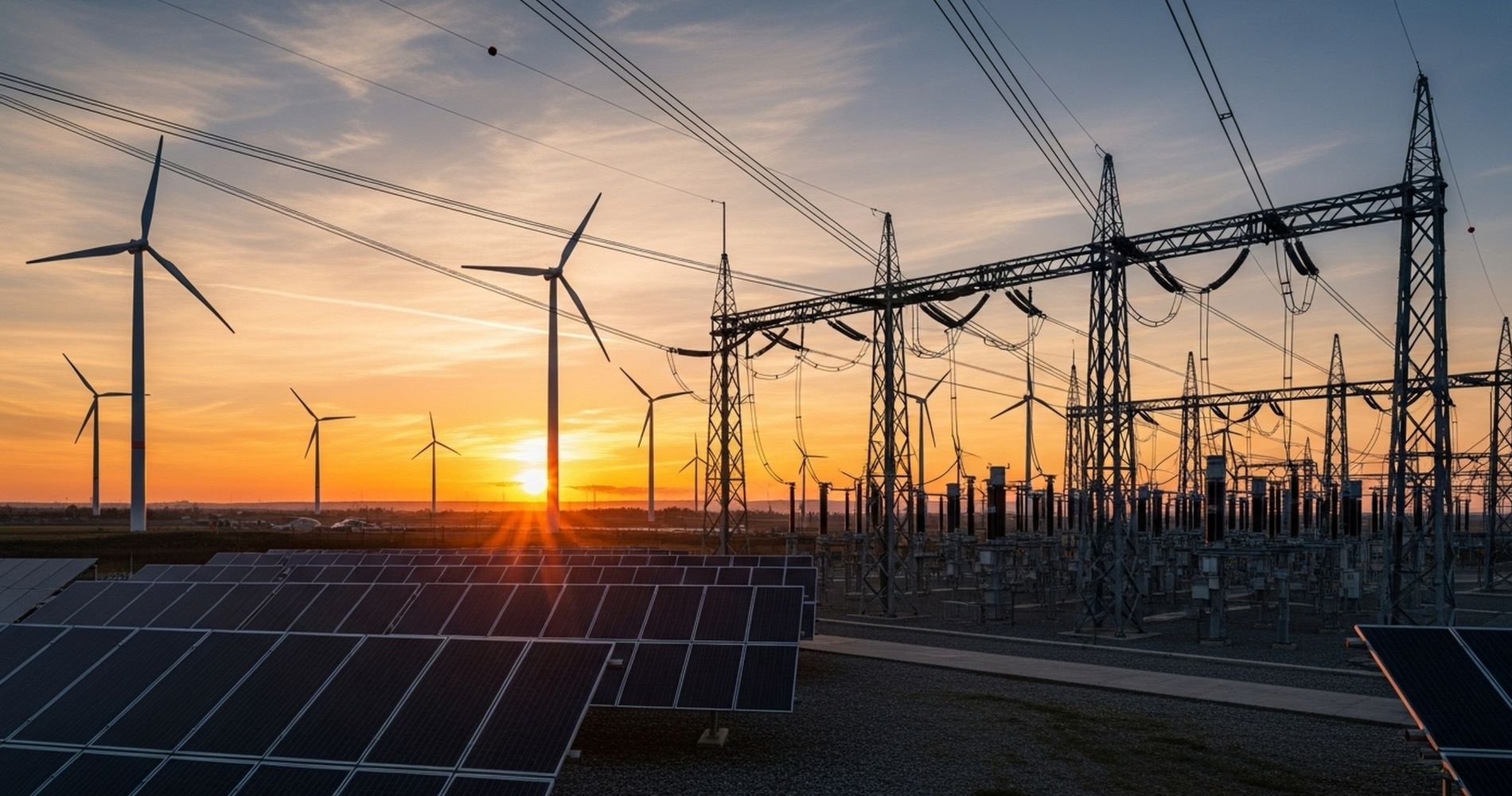
Studies by the Energy Research Office (Empresa de Pesquisa Energética), available in publications such as the Ten-Year Energy Expansion Plan, show that the growth of renewable sources will continue to be the main driver of expansion in Brazil’s electricity supply over the next decade. Solar energy, both in centralized and distributed generation, has shown double-digit annual growth rates, while wind energy continues to advance with increasingly efficient and competitive projects.
However, turning this comparative advantage into effective leadership requires addressing structural challenges that go beyond generation. The rapid expansion of intermittent renewables places pressure on the transmission system, demands storage solutions, and requires greater operational flexibility. Bottlenecks in energy transmission infrastructure are already a reality in some regions, especially in the Northeast, where a large share of new wind and solar capacity is concentrated.
Bioenergy, biogas, and the circular economy
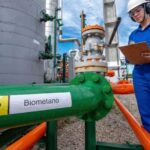
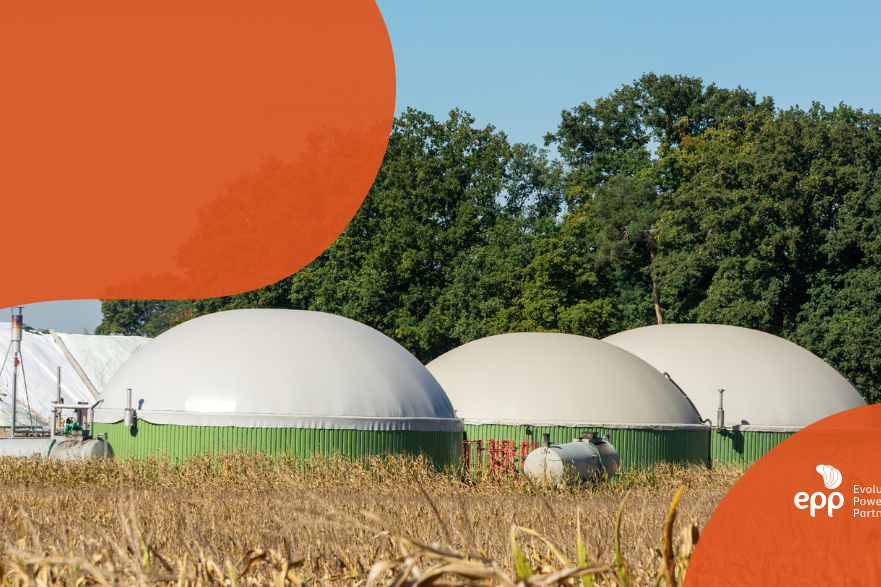
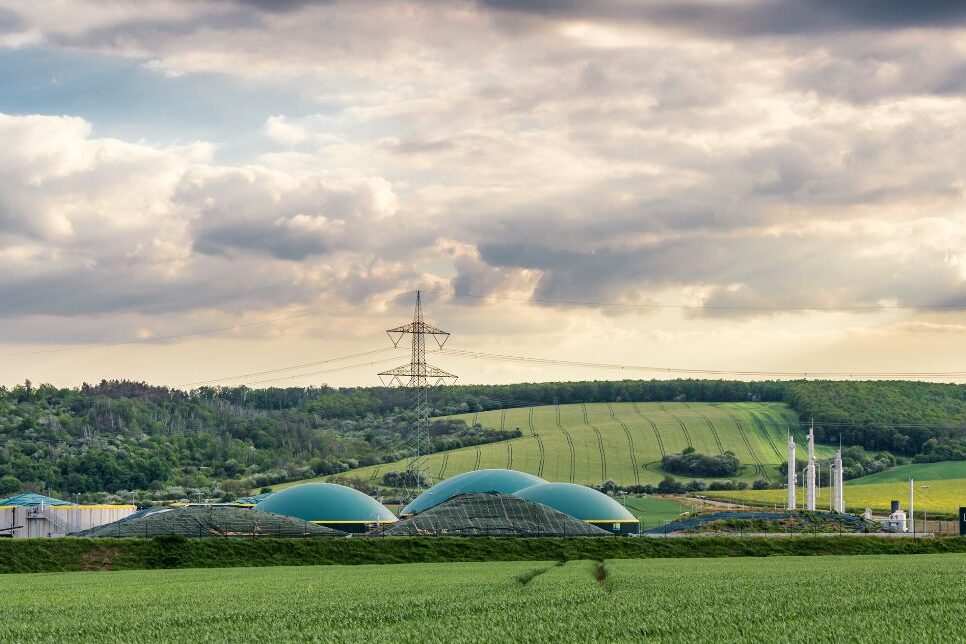
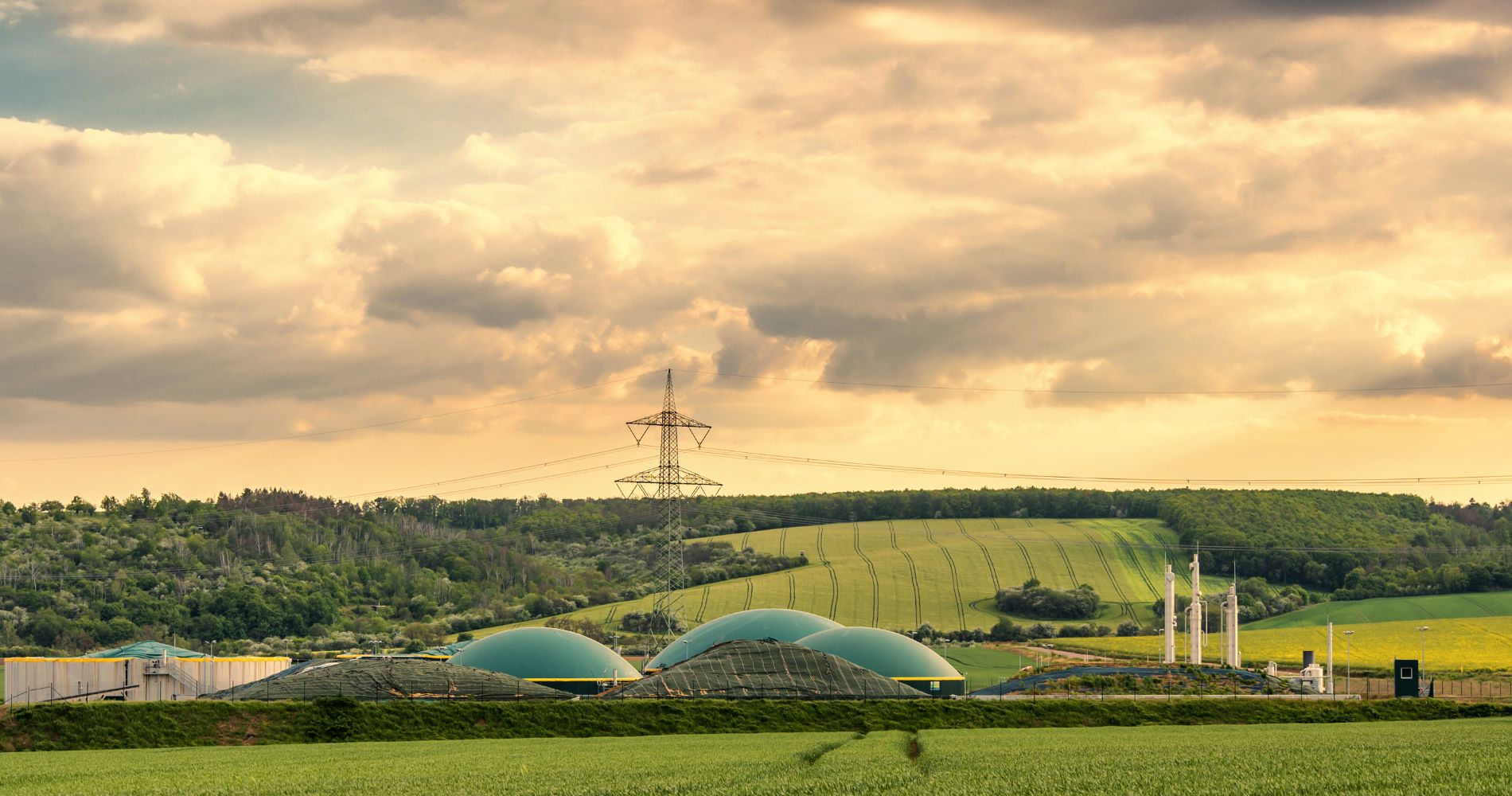
One of Brazil’s differentiating factors in the energy transition lies in bioenergy. The integration of agribusiness, sanitation, waste management, and energy generation creates unique opportunities for the development of biogas and biomethane. Unlike other renewable sources, biogas offers predictability, dispatchability, and the potential to directly replace fossil fuels in sectors such as heavy transport and industry.
Data released by sector associations indicate that Brazil’s technical potential for biomethane production could replace a significant share of national diesel and natural gas consumption. Beyond emissions reductions, this agenda aligns with the circular economy, waste valorization, and local value creation, especially in rural regions.
Despite the potential, the development of this market still faces regulatory, scale, and financing challenges. The absence of clear economic signals for carbon pricing and the need for long-term contracts are recurring themes in sector debates. Even so, the advance of structured projects and growing investor interest indicate that bioenergy is likely to play a more prominent role in Brazil’s energy transition.
Green hydrogen and new frontiers
Another vector gaining prominence on the energy agenda is green hydrogen. Produced through the electrolysis of water using renewable electricity, low-carbon hydrogen is seen as a strategic solution for decarbonizing hard-to-electrify sectors such as steelmaking, heavy chemicals, and maritime transport.
Brazil has favorable natural conditions to position itself as a global supplier of this input, combining abundant renewable energy, water availability in certain regions, and a strategic location for exports. Initiatives in port hubs and international cooperation agreements signal interest in structuring this value chain. However, the economic viability of green hydrogen still depends on scale, reductions in technological costs, and clear regulatory frameworks.
Reports from IRENA and the International Energy Agency point out that the coming decade will be decisive in determining which countries will be able to capture value in this emerging market. Once again, natural advantage must be accompanied by consistent public policies, integrated planning, and alignment with domestic industry.
Regulation, markets, and financing
The energy transition does not occur in a vacuum. It depends on a regulatory framework capable of offering predictability, legal certainty, and appropriate economic signals. In Brazil, bodies such as the National Electric Energy Agency and the Ministry of Mines and Energy play a central role in guiding this process, whether through energy and transmission auctions or through the definition of rules for new markets.
In recent years, issues such as electricity sector modernization, the opening of the free market, energy storage, and carbon markets have become part of the regulatory agenda. At the same time, institutional investors and financial agents have definitively incorporated ESG criteria into their decisions. Instruments such as green bonds, sustainability-linked loans, and financing tied to climate targets have shifted from being exceptions to becoming a significant part of energy project financing.
Pressure for transparency, clear metrics, and alignment with global climate commitments is likely to intensify. Companies that fail to incorporate the energy transition into their strategies risk losing access to capital and competitiveness in the medium term.
Energy transition and development
One of the most relevant and sometimes overlooked aspects of the energy transition is its social and territorial dimension. The expansion of renewables has the potential to promote regional development, generate skilled jobs, and reduce inequalities, provided it is accompanied by appropriate policies for training, territorial planning, and dialogue with local communities.
The concept of a just transition, widely discussed in international forums, reinforces the need to ensure that the benefits of the new energy economy are distributed equitably. In Brazil, where renewable generation is concentrated in historically less industrialized regions, this agenda takes on strategic importance.
The challenge of leadership
The energy transition is not a short-term race. It is a continuous process that requires policy consistency, institutional coordination, and strategic vision. Brazil brings together unique attributes to position itself as a protagonist, but this leadership is neither automatic nor guaranteed.
Turning potential into reality requires addressing long-standing bottlenecks, investing in infrastructure, fostering innovation, and building a regulatory environment that offers predictability. More than expanding installed renewable capacity, it will be essential to integrate energy, industry, logistics, and climate policy into a national low-carbon development strategy.
In a world increasingly shaped by environmental, energy, and geopolitical criteria, the energy transition ceases to be merely a response to climate change and becomes a nation-building project. The debate is no longer whether the transition will occur, but who will be prepared to lead it and capture its economic, social, and strategic benefits.